
Overview (history, characteristics, attractions)
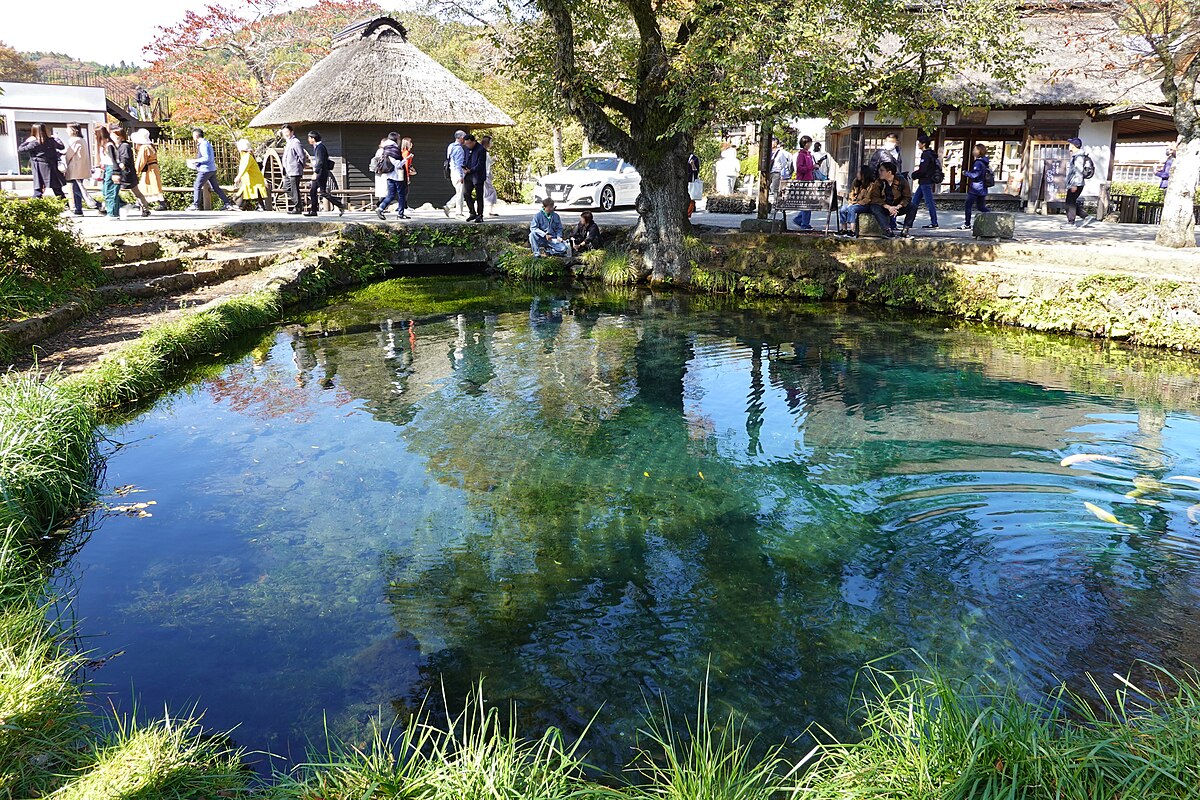
Oshino Hakkai is the collective name for eight spring-fed ponds in Oshino Village, Minamitsuru District, Yamanashi Prefecture, where meltwater from Mt. Fuji filters through lava layers and springs forth. Treasured since ancient times for daily water and as an object of worship, the crystal clear water and the view of Mt. Fuji reflected in the ponds are appealing. The water has been selected as one of Japan's 100 famous springs, and the water temperature remains relatively stable throughout the year (around 10°C), allowing you to enjoy the beautiful clear blue and emerald colors of the water. The village is home to thatched roofs and traditional houses, making it a tourist destination that retains a strong sense of old-fashioned charm.
Highlights
- Clear spring water and fish visible underwater: The water is so clear you can see the bottom, and the Nishikigoi carp swimming in the pond are highlights. It's a great spot for taking photos.
- Borrowed scenery of Mt. Fuji: On clear days, the ponds are lined up with Mt. Fuji in the background, and you can enjoy different scenery with each season (fresh greenery, cherry blossoms, autumn leaves, and snowy scenery).
- Each pond has its own unique charm: Each of the eight ponds has a different depth and shape, and each has a slightly different spring outlet, water temperature, and color (one of the most famous spring-fed ponds is Wakuike, which is particularly clear).
- Food made with famous spring water: There are many shops offering warabi mochi, mizu manju, famous spring water coffee, and more made with spring water.
- Old village streets: There are many things to enjoy walking around, such as souvenir shops, traditional houses, and Sengen Shrine.
Access (nearest station, transportation, etc.)
- Train + Bus: The nearest stations are Fujisan Station or Kawaguchiko Station on the Fujikyu Railway. From either station, you can take the Fujikyu Bus or a sightseeing bus (approximately 15-30 minutes; routes and times vary depending on the season, so it's recommended to check in advance).
- By car: Approximately 20-40 minutes (depending on your starting point) via the Chuo Expressway Kawaguchiko IC or the Higashi-Fuji Five Lakes Road. Paid parking is available in the area (often full during peak tourist season).
- Expressway buses/tours: Many people visit the area on sightseeing buses or day trips from Tokyo, allowing for direct and efficient travel.
Estimated stay (estimated time required)
– Short visit: 30-60 minutes (walk around the main pond and take photos)
- Leisurely stroll and meal: 1.5 to 3 hours (touring the ponds + enjoying local cuisine and sweets)
- If you include sightseeing in the surrounding area: Half a day to a full day (combining it with Lake Kawaguchi and Arakurayama Sengen Park is recommended)
Nearby spots
– Lake Kawaguchi and Lake Yamanaka (Fuji Five Lakes area): Boating, lakeside walks, hot springs, etc.
– Arakurayama Sengen Park (Chureito Pagoda/Five-story Pagoda with Mt. Fuji view): A popular photo spot.
– Fuji-Q Highland: If you want to enjoy the attractions.
– Kawaguchiko Music Forest Museum, souvenir shops and observation spots around Mt. Fuji Station, etc.
– Old-style cafes and local direct sales stores in Oshino Village: Experience local ingredients and crafts.
Things to be aware of (crowds, manners, seasonal precautions, etc.)
– Crowds: It gets very crowded on weekends, holidays, Golden Week, during the autumn foliage season, and in the summer. The best time to visit is early in the morning (right after opening) or on a weekday. The parking lot fills up quickly.
- Manners: Although spring water is drinkable in some places, please refrain from washing clothes or dishes in it or throwing stones into it to preserve the water quality. Always take your trash with you and be considerate of stores and sidewalks.
- Drones: As this is a scenic area, drone flying without permission is prohibited and there are many prohibited areas, so prior confirmation and permission is required.
Climate and clothing: Due to the altitude, it gets cold in the mornings and evenings. In winter, especially, you'll need non-slip shoes to avoid snow and ice. On sunny winter days, the contrast between the snow-capped Mt. Fuji and the blue spring water is beautiful, but the area around the pond is cold, so be sure to dress warmly.
- Photography: In areas with a lot of tourists, be careful not to obstruct the flow of people with tripods or large equipment. When taking photos of people, be mindful not to include anyone other than the photographer or subject in the photo.
- Business hours and facility information: Stores and rest areas may close early, so please check opening hours in advance (especially in winter and on weekdays).
Tips for visiting
– Early mornings on clear days are recommended as Mount Fuji is easily reflected in the pond and there are fewer tourists.
– There are places where you can collect famous spring water, so bring an empty plastic bottle with you to enjoy it (please make sure the place is drinkable).
– It is more efficient to combine sightseeing with the surrounding area (such as a cruise around Lake Kawaguchi or the view of Arakurayama Sengen Park).
You can copy and paste the above into Gutenberg and use it as is. If necessary, we will also create short text for photo captions and heading decoration ideas (h2/h3). Please let us know how you would like it to be displayed.