
Overview (history, characteristics, attractions)
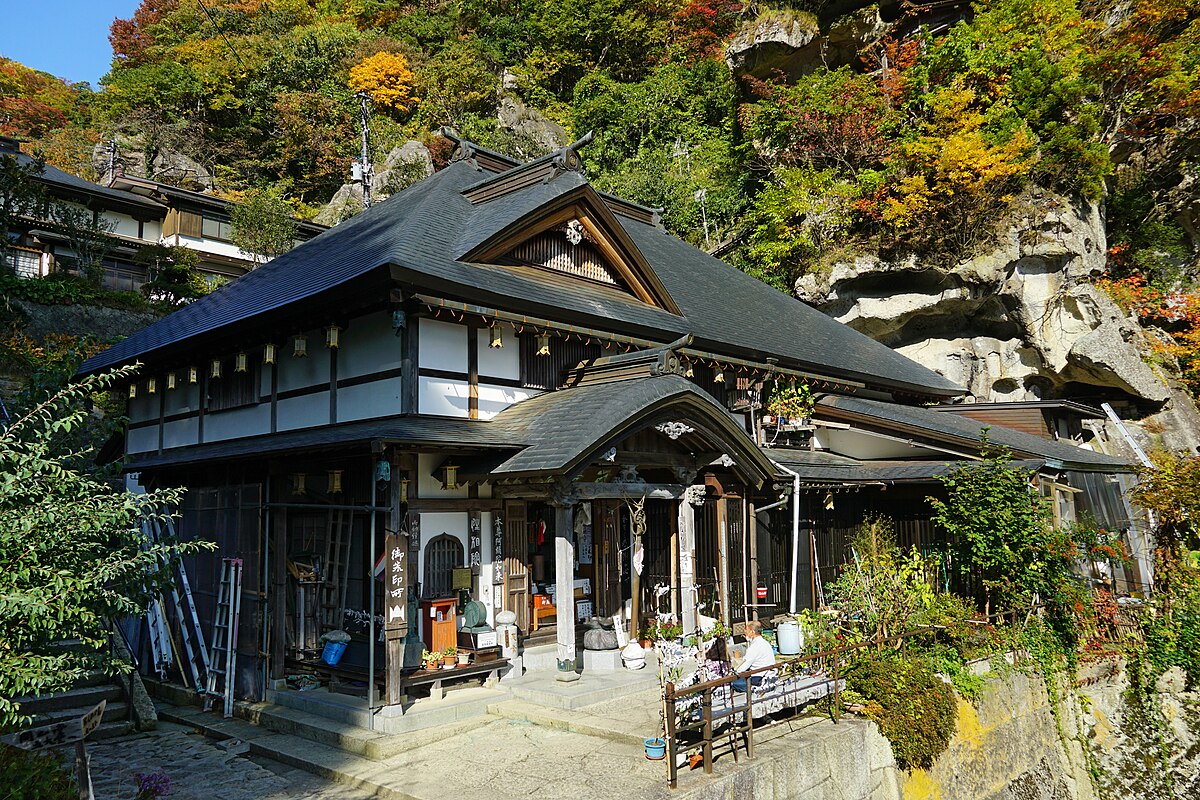
Mount Hoju Risshakuji Temple (commonly known as Yamadera Temple) is an ancient Tendai Buddhist temple located in Yamagata City, Yamagata Prefecture. It is said to have been founded around 860 by the Heian period monk Jikaku Daishi (Ennin). The temple's greatest features are the group of temple buildings clinging to the cliffs and the landscape of the stone steps and approach leading up the mountainside, and it is affectionately known as "Mountain Temple." It is widely known for the haiku that Matsuo Basho wrote after visiting the temple, "The silence of the cicadas' voices seeping into the rocks," and it has long been popular as a scenic spot that inspires haiku and poetry.
Highlights
- Stone steps and approach: Approximately 1,015 stone steps lead from the main gate to Okunoin (near the summit). The further you climb, the more the view opens up and you can enjoy the changing scenery.
- Godaido: A hall that juts out from the rocky outcrop. It offers a panoramic view of the mountain range and village below.
- Okunoin (around the Konponchudo Hall): The view from Okunoin, located near the summit, is a famous attraction. On clear days, you can see far into the distance, and it is a beautiful spot for morning mist and evening views.
- Basho's Haiku Monument: A haiku monument left by Matsuo Basho is located on the side of the approach to the shrine, and serves as a monument to your visit.
- Temple complexes and cultural assets: Old Buddhist halls, stone Buddha statues, historic architecture and Buddhist statues are scattered throughout the area, giving it a historical atmosphere.
- Four Seasons: Each season shows a different look, with the fresh greenery of spring, the freshness of early summer, the autumn leaves, and the snowy scenery of winter.
Access (nearest station, transportation, etc.)
- Nearest station: Yamadera Station on the JR Senzan Line. It is about a 5-10 minute walk from the station to the entrance of Risshakuji Temple.
- From central Yamagata City: Approximately 15-20 minutes (depending on the train type) on the Senzan Line from JR Yamagata Station. By car, it takes approximately 20-30 minutes depending on traffic conditions.
- From Sendai: Take the direct Senzan Line from Sendai Station (approximately 50-60 minutes, travel time varies depending on the train).
- Access by car: Take the Yamagata Expressway or national highway and use the local parking lot (fees apply). Parking lots tend to fill up during the tourist season, so it's recommended to arrive early.
- Bus: Tourist buses and local buses may operate depending on the season and operating conditions. Please check the timetable in advance.
Estimated stay (estimated time required)
- Short visit (main spots only): about 1 hour
- Relaxed sightseeing (climbing the summit, taking photos, and exploring the surrounding area): Approximately 1.5 to 2 hours
- If you also visit nearby tourist spots (including meals and souvenir shopping): 2 to 4 hours
Nearby spots
- Souvenir shops and teahouses around Yamadera Station: There are souvenir shops and rest areas around the approach to the shrine where you can enjoy local sweets and snacks.
- Yamagata City Center: Bunshokan (former prefectural office), Kajo Park (Yamagata Castle ruins), Nanokamachi Street, etc. Travel from Risshakuji Temple is easily accessible by car or train.
- Zao Mountain Range and Zao Onsen: A popular area where you can enjoy natural scenery and hot springs. Ideal for day trips or overnight stays.
- Ginzan Onsen and hot spring town (somewhat far away): A popular retro hot spring town. Travel by car is the norm.
Things to be aware of (crowds, manners, seasonal precautions, etc.)
- Stairs and physical fitness: The stone steps are steep and slippery in places. Please wear comfortable shoes (sneakers, etc.) and avoid strenuous climbing.
- Snow and ice in winter: Snow and ice can make trails very slippery. In winter, some trails may be closed and special equipment may be required, so please check the conditions in advance.
- Busy times: It gets crowded during Golden Week, autumn foliage season, and weekends. To avoid the crowds, we recommend visiting early in the morning (just after sunrise) or on a weekday.
- Worship etiquette: Please observe the temple rules, such as remaining quiet within the grounds, not touching the Buddhist hall or stone Buddhas, taking your trash with you, and smoking in designated areas.
- Photography/Drones: Photography is generally permitted within the temple grounds, but please be mindful not to disturb other worshippers or the ceremonies. Drones are generally prohibited in many places, so please check in advance.
- Food & Drinks/Toilets: There are teahouses and toilets along the approach to the shrine, but you may have to wait a long time when it is crowded. It is best to hydrate and use the toilet early.
Risshakuji Temple is a charming spot where history and nature blend together. Be sure to prepare according to your physical strength and the season, and take your time to enjoy the view and tranquility while worshiping.