Overview (history, characteristics, attractions)
The Nezu Museum is a private art museum located in Minami-Aoyama (Minato Ward, Tokyo), focusing on ancient Japanese and Oriental art. Founded by businessman and collector Nezu Kaichiro, the museum was established on the foundation of his outstanding collection of tea ceremony utensils, Yamato-e paintings, Buddhist art, calligraphy, ceramics, lacquerware, and more. The building and exhibition space harmonize traditional and modern design, and the garden (Japanese garden) is a major feature that deepens the impression of art appreciation.
Its appeal lies in the value of the exhibits themselves and the comprehensive viewing experience that includes the garden. The museum houses a collection of Important Cultural Properties and National Treasures, and exhibits change seasonally to showcase a variety of themes. The gardens change with the seasons, and are particularly popular with visitors during the azalea season in spring and the autumn foliage season.
Highlights
- Collection Exhibition: High-quality collections spanning eras and genres, including Japanese paintings, calligraphy, tea ceremony utensils, ceramics, and lacquerware, are exhibited in sequence. Special exhibitions allow visitors to see a collection of masterpieces with strong themes.
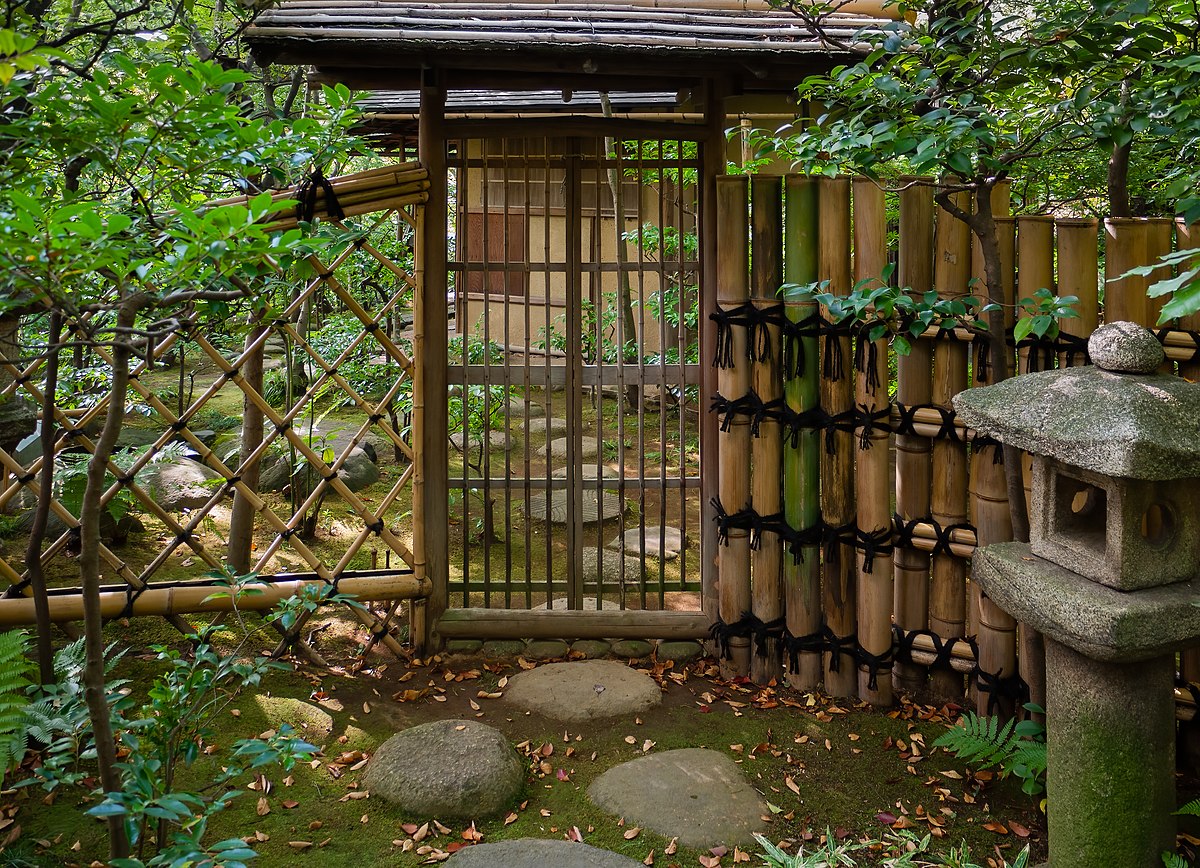
- Japanese Garden: The quiet garden with a strolling pond is perfect for a stroll. The stonework, lanterns, artificial hills, and plants are skillfully arranged, and the spatial design that integrates the building and garden is appealing.
- Architecture and exhibition space: Recent renovations have created an exhibition space that makes use of natural light and textures. The way the artworks are displayed has also been carefully considered, allowing visitors to view them in a relaxed atmosphere.
- Museum Cafe/Museum Shop: Take a break at the cafe overlooking the garden, and enjoy purchasing merchandise and catalogs related to the exhibition.
- Seasonal Events: There are often exhibitions and events held in conjunction with the garden's highlights, such as when the azaleas bloom in spring.
Access (nearest station, transportation, etc.)
- Nearest station: 7-10 minutes on foot from Tokyo Metro Omotesando Station (Ginza Line, Chiyoda Line, Hanzomon Line) (Exit A5 is convenient).
- Alternatively, it is about a 10-15 minute walk from Gaienmae Station (Tokyo Metro).
- Bus/Taxi: You can also take a metropolitan bus or a local bus. A taxi is just a few minutes from the Omotesando area.
- By car: Parking on the premises is generally limited, so we recommend using public transportation. If you are driving, please use the nearby paid parking lot.
- We recommend checking the official website for the location and the latest transportation information and access map before visiting.
Estimated stay (estimated time required)
- Exhibition viewing: Approximately 45 minutes to 1 hour (may take 1.5 hours or more depending on the size of the special exhibition)
- Garden walk: Approximately 30 minutes to 1 hour (more time needed if you want to walk slowly)
- Total time including cafe and shop visits: Approximately 1.5 to 2.5 hours.
Nearby spots
- Omotesando area: A shopping street lined with Omotesando Hills, brand shops, and cafes.
- Meiji Shrine Gaien (Ginkgo Avenue): Accessible by foot or a short trip. Famous for its yellow leaves in autumn.
- Cafes and galleries in Minami-Aoyama: Enjoy a stroll around the galleries and a meal.
- Roppongi, Mori Art Museum, etc.: Easily accessible by subway, this area is a convenient base for exploring art.
Things to be aware of (crowds, manners, seasonal precautions, etc.)
- Crowds: The museum is crowded on weekends, public holidays, during the spring azalea blooming season, and on weekends when special exhibitions are held. Weekday mornings just after opening and before closing are relatively quiet. Special exhibitions may require designated date and time tickets or advance reservations, so please check the official website for the latest information.
- Photography, eating and drinking: As a general rule, photography, recording, and eating and drinking are prohibited inside the exhibition rooms (exceptions are subject to notices posted inside the museum). There are also rules regarding photography in the gardens and some outdoor areas, so please check the instructions of staff and the posted notices.
- Manners: Please observe basic museum etiquette, such as not touching the exhibits, viewing them quietly, and putting mobile phones on silent mode. If you are bringing small children, please be considerate of other visitors.
- Climate and footing: The garden has undulating terrain and stone pavement, which can be slippery on rainy days. We recommend wearing comfortable walking shoes. Be sure to protect yourself from the sun and heat in summer and the cold in winter.
- Closed days/exhibition changeovers: The museum is usually closed on Mondays (although it is often open on public holidays and takes a substitute day off), and there are also temporary closures during exhibition changeover periods, so please check the opening hours in advance.
- Accessibility: The building is partially barrier-free, but there are steps and slopes due to the topography of the garden. If you require special consideration, such as wheelchair access, please inquire in advance.
Nezu Museum is a relaxing museum where you can enjoy both viewing masterpieces and strolling through the gardens. The museum's appearance changes depending on the season and special exhibitions, so you'll always find something new no matter how many times you visit. Please check the official website for the latest exhibition information and admission procedures.