Overview (history, characteristics, attractions)
The National Museum of Western Art, located in Ueno Park, Taito Ward, Tokyo, is Japan's leading national art museum specializing in Western art. The main building, designed by Le Corbusier and constructed in 1959, was registered as a UNESCO World Heritage Site in 2016 as part of Le Corbusier's architectural works. While the building itself is a globally important cultural asset, the museum also houses a high-quality permanent collection of approximately 4,000 pieces, primarily ranging from Impressionist to modern art, allowing visitors to view masterpieces of Western art, including sculptures by Rodin, as well as works by Monet, Renoir, Cézanne, and Picasso, up close.
Highlights
- Main building (architecture) designed by Le Corbusier: A typical example of modernist architecture, the interior space, lighting, and exhibition room layout make it a must-see for architecture enthusiasts. The sculptures on the exterior and in the courtyard are also not to be missed.
- Rodin's sculptures: There are several Rodin works in the gardens and inside the museum, and "The Thinker" in particular is a popular photo spot (outdoor exhibits are subject to change depending on the weather and restoration work).
- Impressionist to modern painting collection: The museum displays masterpieces and sketches by Monet, Renoir, Cezanne, Picasso, and others, allowing visitors to systematically learn about the development of Western art. In addition to the permanent exhibition, the museum also regularly holds special exhibitions (thematic exhibitions).
- Educational Programs and Workshops: There are plenty of events planned to deepen your appreciation, such as gallery talks, audio guides, and programs for children.
Access (nearest station, transportation, etc.)
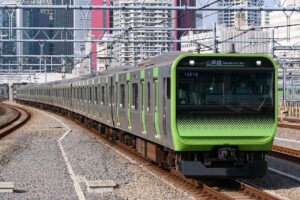
- Nearest station: JR Ueno Station, about a 5-minute walk from the Park Exit. Ueno Station is also close to the Yamanote Line, Keihin-Tohoku Line, Tokyo Metro Ginza Line, Hibiya Line, and Keisei Ueno Station.
- Other access options: Approximately 10 minutes on foot from JR Okachimachi Station, approximately 7 minutes on foot from Keisei Keisei Ueno Station.
- From the airport: From Narita Airport, take the Keisei Skyliner to Keisei Ueno Station (approximately 40-50 minutes). From Haneda Airport, it's convenient to transfer via Keikyu + JR/Subway or Monorail + JR.
- Car/Parking: There are paid parking lots around Ueno Park, but the number of spaces is limited, so we recommend using public transportation.
- Barrier-free: The building is barrier-free (elevators, multi-purpose toilets, etc.). Please check the official website for details.
Estimated stay (estimated time required)
- Permanent exhibition only: Approximately 1 to 1.5 hours.
- Permanent exhibition + special exhibition: 2-3 hours (more time depending on the size of the special exhibition).
- Take your time to appreciate the exhibits and participate in workshops: It's best to plan on spending about half a day.
Nearby spots
- Ueno Park (a vast park, a popular spot for strolling and cherry blossom viewing)
- Tokyo National Museum (a large museum focusing on Japanese art and archaeology)
- National Museum of Nature and Science (natural history and science exhibits)
- Ueno Zoo (famous for its pandas)
- Ameya Yokocho (Ameyoko/Shopping and Gourmet)
- Shinobazu Pond (boats and lotus scenery)
- Yanaka, Nezu, Sendagi area (Stroll around Yanesen)
Things to be aware of (crowds, manners, seasonal precautions, etc.)
- congestion:The surrounding area can get very crowded on weekends, holidays, and during the spring cherry blossom season (cherry blossom viewing season in Ueno Park). If you want to take your time looking around, we recommend visiting on a weekday morning. Special exhibitions may have entry restrictions or time-specified tickets, so be sure to check the official website and purchase tickets in advance.
- Opening hours and closing days:The museum is usually closed on regular days (e.g. Mondays) and during the New Year holidays, but these may change due to special exhibitions or exhibit changes, so be sure to check the latest information on the official website before visiting.
- Photography and Food:Photography may be prohibited in some exhibition rooms within the museum (flash photography and tripods are prohibited as a general rule to protect the artworks). Eating, drinking, and smoking are prohibited inside the museum. Using mobile phones or other devices that make noise is considered bad manners.
- What to wear and bring:The museum is air-conditioned, but the exhibition rooms can be a little chilly, so it's convenient to bring something to wear over your clothes. Please use the lockers or cloakroom (check whether this service is available) for large luggage.
- Important points to note for outdoor exhibits:Outdoor sculptures may be closed due to weather or restoration work, and outdoor displays may be restricted in the event of rain.
*The above is general information. Exhibition schedules, opening hours, admission fees, and special exhibition operations are subject to change, so please check the official website of the National Museum of Western Art for the latest information.