Overview (history, characteristics, attractions)
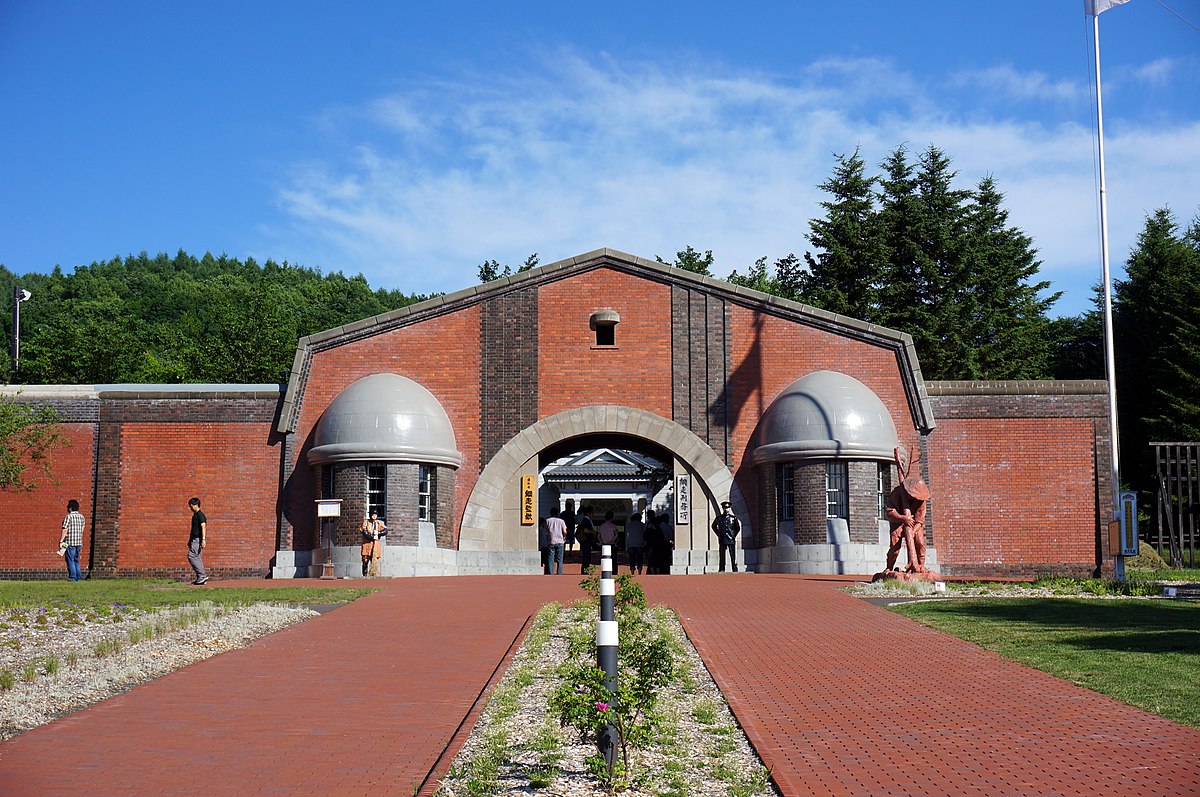
Abashiri Prison Museum is an outdoor history museum in Abashiri City, Hokkaido, which recreates and preserves the architecture of Abashiri Prison (formerly Abashiri Prison) from the Meiji to Showa periods, the lives of the inmates, and the history of the prison system using actual architecture and materials. Some of the buildings that were originally used as a prison have been relocated and restored, and visitors can see the original cells, factories, workshops, surveillance equipment, and guard housing in their original state.
What makes it unique is that it is not just a "prison exhibit," but also carefully conveys the role that the labor of prisoners (in land reclamation, civil engineering, agriculture, etc.) played in regional development, as well as the social background of the time. Through the heavy wooden architecture and brick exterior, as well as actual documents, photographs, and reconstructed models, you can get the sense of being at a historical site.
Highlights
- Tour of actual buildingsYou can tour the relocated and restored buildings, including the cell block, solitary confinement cells, workshops (factories), and guards' residences. The interior structure and facilities of the buildings give you an idea of what life was like at the time.
- Exhibits on prisoner life and work: Exhibits on the development and work carried out by prisoners, tools and photographs used in the work, and education and vocational training provided in prison.
- Exhibition Hall (Museum): A permanent exhibition that includes historical explanations using photographs, documents, and models, as well as a timeline and anecdotes from prison history.
- Re-enactment exhibit and experience corner: Exhibits that recreate prison life and a corner introducing meals and work done in the past (contents may change depending on the season and events).
- Architectural beauty and preservation techniques: It is also attractive for those interested in architectural history and preservation, as you can see the well-preserved state of the wooden and brick structures.
Access (nearest station, transportation, etc.)
- Nearest station: JR Sekihoku Main Line, Abashiri Station (Abashiri Station is the nearest major station).
- busFrom Abashiri Station, take a local bus such as Abashiri Bus to the "Abashiri Prison Museum" stop or a similar stop. The journey takes approximately 15 to 25 minutes (the number of buses varies depending on the season).
- car: Approximately 10-20 minutes by car from the center of Abashiri City. Parking is available (please check the facility for parking space and fees).
- Sightseeing bus tours:It is a standard tourist spot in Abashiri and is often included in day trips and sightseeing bus itineraries.
- *For detailed information on times, routes, parking information, and barrier-free access, please check the official website or the latest information from the transportation company.
Estimated stay (estimated time required)
- Quick tour: about 1 hour
- Thorough viewing and photography: 1.5 to 2 hours
- To view all the exhibits and see all the special exhibits and explanations: 2-3 hours
Nearby spots
- Okhotsk Drift Ice Museum (Exhibitions related to the North and Okhotsk)There are exhibits related to the drift ice of the Sea of Okhotsk and the ocean, and there are plenty of seasonal attractions.
- Abashiri Port and surrounding area: Enjoy the seafood and port town scenery. Recommended for strolling and dining along the seafront.
- Cape Notoro (Cape Notoro and Lake Notoro area): A scenic spot where you can enjoy the view from the cape and the vast coastline.
- Lake Abashiri and Lake Notoro area: A beautiful spot for observing nature, wild birds, and seasonal scenery.
- *Please note that although there are restaurants and souvenir shops in the area, their opening hours may be limited during the winter.
Things to be aware of (crowds, manners, seasonal precautions, etc.)
- congestion: The number of visitors increases during the tourist season (summer vacation, Golden Week) and the winter drift ice season. If you visit at a different time, such as late evening or just after opening, you can enjoy a more relaxed tour.
- Clothes/cold protection: The weather in Hokkaido is changeable, and it can get very cold in winter. As many of the exhibits are outdoors, you will need to dress appropriately for the season (windproof and warm clothing in winter, and comfortable walking shoes).
- Barrier-free: As this is a historical building, there are many steps and narrow passageways, making it difficult to get around the entire area in a wheelchair or with a stroller. Please check with the facility in advance for details.
- Manners: The building has been carefully preserved as a cultural asset. Please refrain from eating, drinking, or entering any area other than the designated areas, and follow the signs indicating whether photography is permitted or not.
- Estimated time required: If you want to carefully read the exhibits, it may take longer than expected. Be sure to check the bus timetable and your next plans before heading out.
- Check for the latest information: Opening hours, closing days, admission fees, special exhibitions, events, etc. may be subject to change. Please check the official website or call the museum for the latest information before visiting.
(Note) Please be sure to check the official website or local information for the latest opening hours, access details, fees, and barrier-free access.