
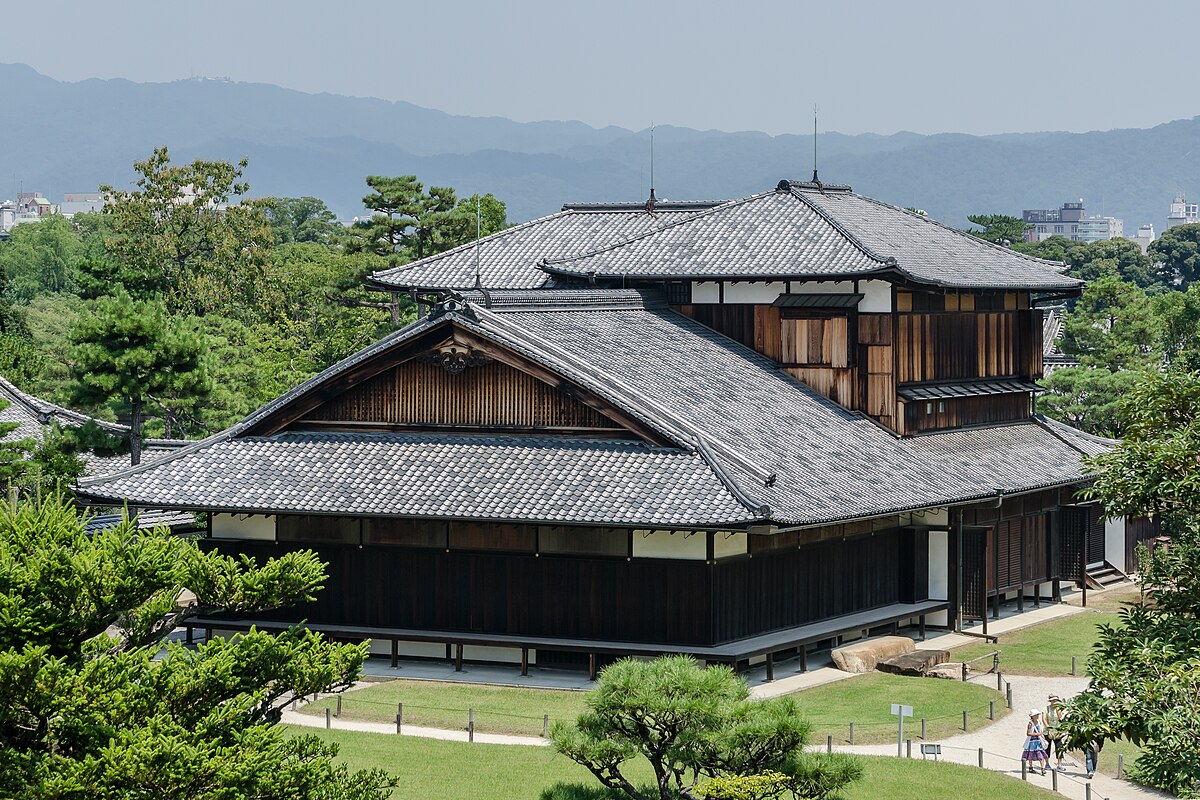
Nijo Castle (Nakagyo Ward, Kyoto City, Kyoto Prefecture)
Overview (history, characteristics, attractions)
Construction of Nijo Castle began in 1603 (Keicho 8) by Tokugawa Ieyasu as his base in Kyoto, and after subsequent expansion, the castle ruins are known as a structure symbolizing the Edo period shogunate government. The Ninomaru Palace within the castle is famous for its sliding screen paintings by the Kano school and floorboards known as "uguisubari (singing floor)," conveying the splendor and formality of the palace as a venue for guests and shogunate ceremonies. The gardens, including the Ninomaru Garden, said to have been designed by Kobori Enshu, offer beautiful views that change with the seasons, and in 1994 it was registered as a World Heritage Site as one of the "Cultural Monuments of Ancient Kyoto."
Highlights
- Ninomaru Palace: A palace with multiple rooms, including a large hall and a reception hall. Highlights include the sliding screen paintings (by the Kano school, etc.), luxurious decorations, and nightingale-floored corridors. Shoes are strictly prohibited inside, so you can get a close-up look at the majesty of the tatami space.
- Ninomaru Garden (Walk-style garden): A strolling garden with a pond, the scenery changes with the seasons. The garden's layout and borrowed scenery show the gardening style of the early Edo period.
- Main enclosure, castle walls, moatThe castle structure, including the earthworks and stone walls on the perimeter and the wide moat, is also worth seeing (although some of the buildings in the main enclosure no longer exist).
- Modern gardens such as SeiryuenNijo Castle also has a modern garden and rest area, allowing you to enjoy both traditional and modern gardens.
- Four Seasons Landscape: The cherry blossoms in spring, the fresh greenery in early summer, and the autumn leaves are especially popular. Seasonal illuminations and special openings are sometimes held.
Access (nearest station, transportation, etc.)
- Subway: The most convenient access is from Nijojo-mae Station (Exit 2, etc.) on the Kyoto Municipal Subway Tozai Line.
- JR: JR Sanin Main Line/Sagano Line (not JR Kyoto Line) - About 10-15 minutes walk from Nijo Station.
- City bus: The Kyoto City Bus stop "Nijojo-mae" is convenient and can be accessed from various locations within Kyoto City.
- By car: There are parking lots in the area, but the number of spaces is limited, so we recommend using public transportation during busy times. Please be aware that there are many traffic restrictions and one-way streets.
- Approximate distance from major stations: From Kyoto Station, it takes about 15 to 25 minutes by subway and walking, or by bus (varies depending on transfers and traffic conditions).
Estimated stay (estimated time required)
- Tour of the interior of Ninomaru Palace + stroll through the gardens: Approximately 1 to 1.5 hours
- If you want to take your time taking photos and reading the exhibits and explanations: 1.5 to 2 hours
- Combining it with other sightseeing spots in the area (e.g. Kyoto Imperial Palace or Kitano Tenmangu Shrine): Half a day to a full day
Nearby spots
- Kyoto Imperial Palace (Kyoto Gyoen): Accessible by foot or bus from Nijo Castle, this historic garden and building are a highlight.
- Kitano Tenmangu Shrine: A shrine dedicated to Sugawara no Michizane, the god of learning. It is also known as a famous plum blossom spot (it can get crowded depending on the season).
- Nishijin (Nishijin Textile) District: This area features a traditional textile townscape and museum, where you can enjoy crafts and shopping.
- Around Nijo Station/Karasuma Oike area: There are many restaurants, cafes, and shops, making it convenient for meals and breaks.
Things to be aware of (crowds, manners, seasonal precautions, etc.)
- congestion:It is especially crowded during the cherry blossom season (late March to early April) and autumn leaves season (November). It is relatively quiet right after the gates open in the morning. It is also crowded during the daytime during Golden Week and consecutive holidays.
- Admission and interior tour etiquette:Shoes are strictly prohibited inside the Ninomaru Palace. There are areas where you must take off your shoes before entering, so we recommend wearing shoes that are easy to take off. In the exhibition rooms and the palace, shouting, running, and eating and drinking in the seats are prohibited.
- photo shoot:You can take photos freely outside, but there may be restrictions on photography (no flash photography, no photography allowed) inside the palace or in areas where the sliding screen paintings are displayed. Please follow the instructions.
- Clothing and walking comfort:The grounds are spacious and include stone pavement, wooden corridors, and stairs. We recommend wearing comfortable walking shoes. Some areas may become slippery in rainy weather.
- Special Opening and Lighting:There may be special seasonal openings and nighttime illuminations, which may result in different admission methods, times, and fees than usual. Please check the official website in advance.
- Barrier-free:Some buildings and passageways have steps, so the park is not completely barrier-free. If you use a wheelchair or require assistance, please check the official information or check with the reception desk in advance.
Nijo Castle is a valuable spot with great historical value, where you can enjoy the castle, palace, and gardens all at once. Before visiting, please check the official website for opening hours and special opening information, and take your time to explore the castle while being mindful of crowds and etiquette.