Overview (history, characteristics, attractions)
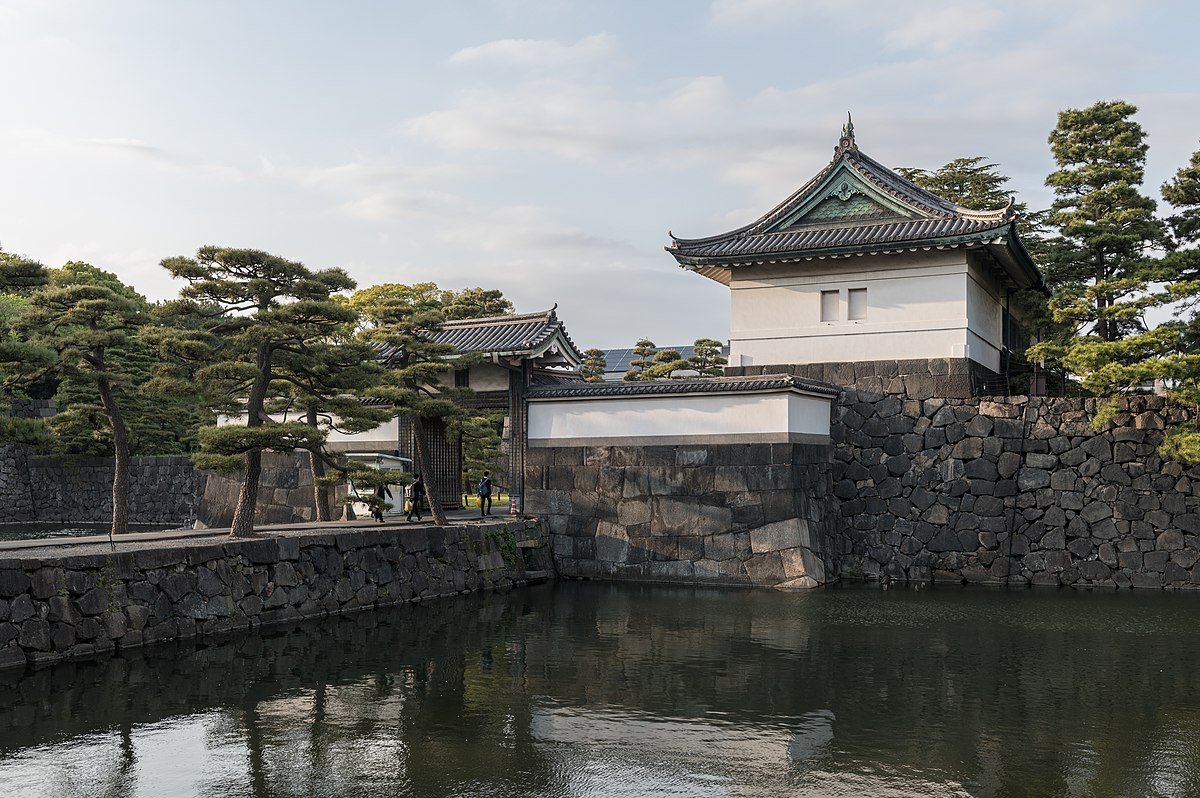
The Imperial Palace is a site located in Tokyo's Chiyoda Ward that is centered around the residence and palace of the Japanese Emperor. During the Edo period, it was Edo Castle and served as the center of the Tokugawa Shogunate, and from the Meiji period onwards it became the residence of the Imperial family. One of the great attractions of the palace is the harmony between historical scenery such as the vast moat, stone walls and Nijubashi Bridge (the bridge in front of the main gate) and nature such as the Japanese garden and seasonal plantings in the East Gardens of the Imperial Palace. Despite being located in a prime location in the city centre, the tranquil green spaces are widespread, making it a popular spot for strolling, photography and jogging.
Highlights
- Nijubashi (in front of the main gate): A classic photo spot. The stone bridge and the Imperial Palace building in the background make a picturesque scene (photos are generally taken from the outside).
- East Gardens of the Imperial Palace: A free garden established on the site of the Honmaru and Ninomaru of Edo Castle. You can enjoy stone walls, turret remains, a dry landscape garden, and seasonal flowers.
- Imperial Palace Outer Gardens (Wadakura Fountain Park and the Kusunoki relief area): It is a relaxing space with a large lawn and fountain.
- Imperial Palace Plaza (Marunouchi side): This is a place where attendees and spectators gather during events and ceremonies, and offers a wide view of the Imperial Palace.
- Running course (circumference approximately 5km): The course that goes around the Imperial Palace is popular with joggers, and many runners gather here in the mornings and evenings.
- Tours of the main hall (organized by the Imperial Household Agency) require prior registration: There is a tour of the area around the main hall, which is normally off-limits to the public, and you can participate by registering in advance (see the official website for dates and how to register).
Access (nearest station, transportation, etc.)
- Nearest station (main access)
- Tokyo Station (JR)... Marunouchi North Exit/About a 10-15 minute walk from Marunouchi side (towards the Imperial Palace Outer Garden and Marunouchi side)
- Nijubashimae (Marunouchi) Station (Tokyo Metro Chiyoda Line): Approximately 1-3 minutes walk from the exit (close to the Imperial Palace main gate and Nijubashi Bridge)
- Otemachi Station (Tokyo Metro, multiple lines)...approximately 5-10 minutes walk (towards Higashi Gyoen and Otemon Gate)
- Takebashi Station (Tokyo Metro Tozai Line)...approximately 5-10 minutes walk (towards the East Gardens of the Imperial Palace and Kitanomaru Park)
- Bus/Car: Parking is limited as it is located in the city center. Visiting by car for sightseeing purposes is not recommended due to traffic congestion and the difficulty of finding a parking space. Please use the paid parking lots in the surrounding area.
- remarks: If you are joining a tour or visiting the East Gardens, please check in advance as entrances and meeting points may differ. There may be restrictions on bringing in large luggage and baggage inspections.
Estimated stay (estimated time required)
- Photography around Nijubashi Bridge only: Approximately 30 minutes
- A short stroll around the Imperial Palace Outer Gardens and the Imperial Palace Plaza: 30 minutes to 1 hour
- A leisurely stroll through the East Gardens of the Imperial Palace: 1-2 hours (approximately 2 hours if you want to take your time looking at the exhibits and gardens)
- Participating in the Imperial Household Agency tour (pre-registration required): Approximately 2 hours (based on the tour time)
- Running (one lap: approximately 5km): 30-50 minutes (depending on pace)
Nearby spots
- Marunouchi/Tokyo Station area (view of commercial facilities, Maru Building, and Gyoko-dori Street)
- Hibiya Park (walking and event venue)
- Ginza (shopping and dining)...accessible on foot or by subway
- Kitanomaru Park (Science Museum, Nippon Budokan, National Museum of Modern Art)
- Museums and cultural facilities near the East Gardens of the Imperial Palace (such as the National Archives of Japan)
Things to be aware of (crowds, manners, seasonal precautions, etc.)
- Tour Rules and Security: There is security around the Imperial Palace, and baggage and body searches may be conducted upon entry. There may also be restrictions on entering designated areas and stopping to take photos, so please follow the instructions of the staff.
- The need for advance application: Some areas inside the Imperial Palace (around the main hall) can only be visited by prior application. Please check the Imperial Household Agency's official website for the latest information and application procedures before visiting.
- congestion: It gets very crowded on national holidays, the Emperor's birthday, and New Year's general audiences (January 2nd, etc.). Large crowds are expected on event days, so if you want to avoid the crowds, early mornings and evenings on weekdays are relatively less crowded.
- MannersPlease observe basic etiquette within the gardens, such as not damaging plantings or cultural assets, and only eating, drinking, and smoking in designated areas (most gardens are non-smoking). There are some areas where riding motorcycles or bicycles is prohibited or restricted.
- Weather and Season: Take precautions against the heat in summer and the cold in winter. The number of visitors increases especially during the cherry blossom and autumn foliage seasons. Also, in areas such as the East Garden, the ground can become slippery in rainy weather.
- Pets: Many areas may have restrictions on pets being allowed in, so please check in advance if you plan to bring your pet with you.
*Operating hours, closing days, and tour application procedures are subject to change. Please check the official websites of the Imperial Household Agency and the East Gardens of the Imperial Palace for the latest information before visiting.