Overview (history, characteristics, attractions)
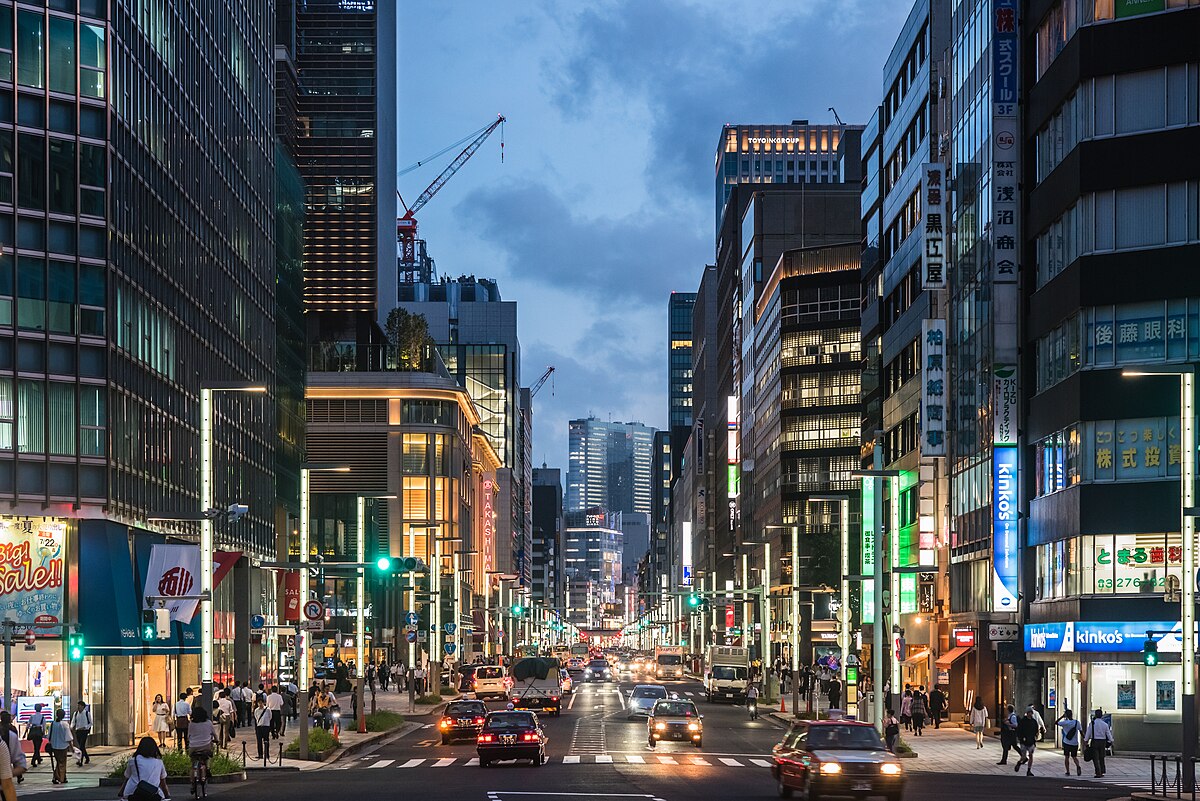
Nihonbashi is a historic commercial and financial center located in Chuo Ward, Tokyo. Developed as the starting point of the five main roads during the Edo period, Nihonbashi developed as a transportation and logistics hub and became one of the birthplaces of townspeople culture. Even today, Nihonbashi Bridge (Nihonbashi Bridge) is a landmark that conveys the remains of the Edo period, and the "Japan National Road Origin Marker" placed on the bridge indicates the origin of the former distance.
In terms of commerce, Nihonbashi Mitsukoshi and other long-established department stores, as well as famous Japanese and Western shops, are concentrated here, and in recent years, the area has been attracting attention as a place where tradition and modernity coexist through renovations and commercial facilities such as COREDO Muromachi.In terms of finance, the Tokyo Stock Exchange and many bank headquarters are located nearby, making it a popular business district.
Highlights
- Nihonbashi (Bridge)The stone bridge was rebuilt between the Meiji and Taisho periods, and road origin markers and decorations remain on the bridge. The surrounding historical information and monuments are also not to be missed.
- Nihonbashi Mitsukoshi Main Store: A long-established department store that has been in business since the Edo period. It offers a wide selection of traditional Japanese crafts, souvenirs, and events.
- COREDO Muromachi: A commercial facility with restaurants and souvenir shops. There are also many antenna shops from around the country and famous Japanese restaurants, making it convenient for eating and shopping.
- Fukutoku Shrine (Muromachi, Mebuki Shrine): A shrine that is said to grant blessings for business prosperity and career advancement. Recent redevelopment has resulted in the creation of green spaces.
- Currency Museum (Chuo Ward area) and museums in the Nihonbashi area: There are facilities where you can learn about the history of currency and commerce, as well as local exhibition spots (please check opening times in advance).
- Nihonbashi River Cruise: Water buses and cruises are sometimes operated, allowing you to enjoy the riverside scenery and surrounding historical architecture from a boat.
Access (nearest station, transportation, etc.)
- Mitsukoshimae Station (Tokyo Metro): Directly connected to Mitsukoshi Main Store, 0-2 minutes walk.
- Nihonbashi Station (subway): Just a short walk from the exit (close to facilities and bridges).
- Shin-Nihonbashi Station (JR)...approximately 3-5 minutes walk (convenient for JR access).
- Tokyo Station (JR): Approximately 10-15 minutes on foot, or 5 minutes by taxi. Conveniently located as a base for sightseeing.
- Access from the airport: From Narita or Haneda, it is convenient to take the limousine bus or train (via Tokyo Station). From Tokyo Station, you can walk or take the subway.
*Many areas are directly connected by underground passages or department store passageways, making it relatively easy to walk around even on rainy days. Please check the latest exit signs and transfer information in advance.
Estimated stay (estimated time required)
- Short tour (viewing the bridge and taking photos): Approximately 20-30 minutes
- Standard sightseeing (bridge + shopping and snacks at Mitsukoshi/COREDO): Approximately 1-2 hours
- A leisurely tour (dining, visiting multiple stores, and visiting museums): Half a day (2-4 hours)
- If you plan to visit the surrounding area (Ginza and Tokyo Station area) as well, we recommend a one-day plan.
Nearby spots
- Ginza (a few minutes walk or subway ride) — a great place for shopping and dining.
- Tokyo Station/Marunouchi (10-15 minute walk) — Stroll along the red brick station building and Marunouchi Nakadori Street.
- Kyobashi and Ginza 1-chome (nearby) - Galleries and shops dot the area.
- Akihabara (a few minutes by train) - Electronics district and subculture mecca.
- Suitengu Shrine and Ningyocho (walking distance) - An area where the atmosphere of a downtown area and long-established shops remain.
Things to be aware of (crowds, manners, seasonal precautions, etc.)
- congestion: It gets very crowded on weekends, during lunch breaks, during department store sales, and during the New Year holidays (especially the first sales of the year). If you want to enjoy it in peace and quiet, weekday mornings are the best time to go.
- Photo shoot and stopping: Standing on bridges or sidewalks for long periods of time or using tripods will obstruct traffic. Please be considerate of your surroundings when taking photos.
- Opening hours: Opening hours of established department stores and commercial facilities vary depending on the store. Restaurants and antenna shops may have irregular closing days, so we recommend checking in advance.
- Clothes/shoes: You will be doing a lot of walking in this area, so wear comfortable shoes. Don't forget to take precautions against the heat in summer and the cold in winter.
- Construction and urban development: Construction work may be carried out in the surrounding area due to plans to put the Metropolitan Expressway underground, which may temporarily affect traffic and the scenery. For the latest information, please refer to the information provided by local governments and facilities.
- Manners during crowded times: As this is also a business district, please refrain from any behavior that may disturb others, such as drinking alcohol on the street or talking loudly.
Nihonbashi is an attractive area where history and modernity coexist. You can visit the main spots in a short space of time, or take your time to enjoy the long-established shops and food culture, so it's a good idea to plan your visit according to your purpose.