Overview (history, characteristics, attractions)
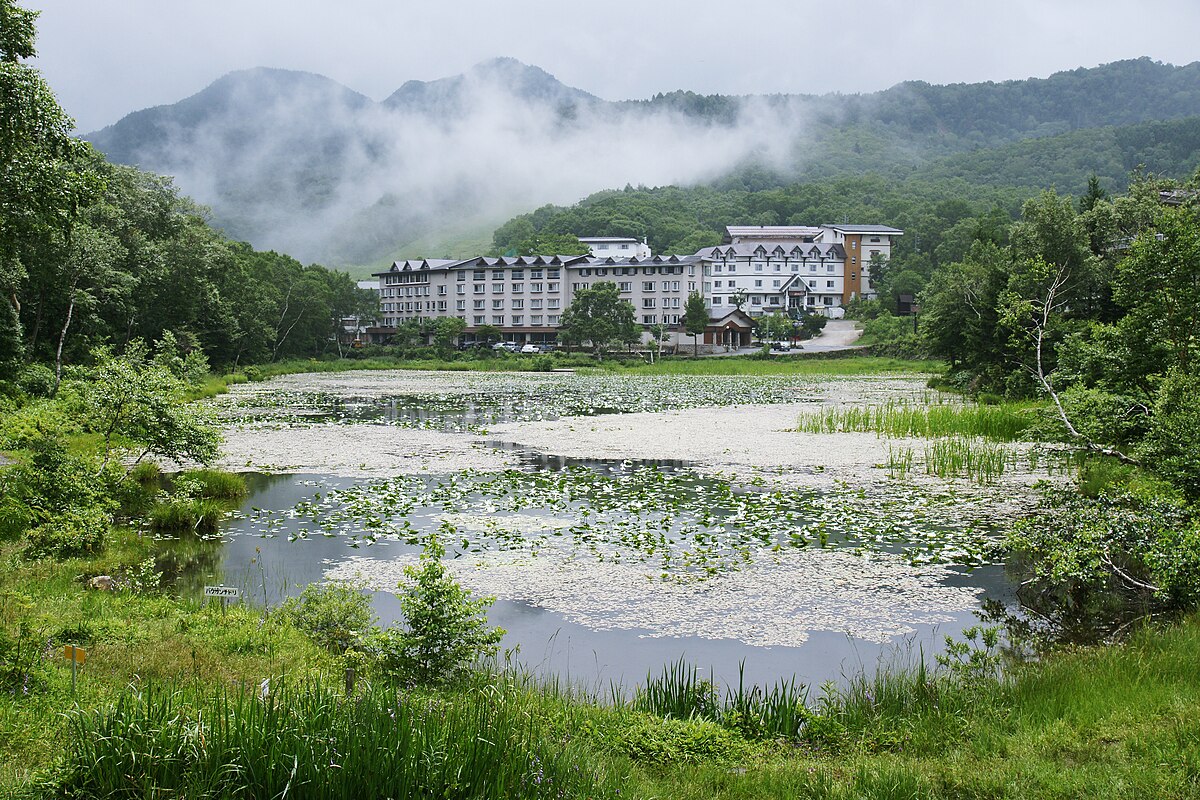
Shiga Kogen is a highland region that stretches across Yamanouchi Town, Shimotakai District, Nagano Prefecture, and is part of Joshin'etsu Kogen National Park. Located at an elevation of roughly 1,300-2,000 meters, the plateau boasts one of Japan's largest ski resorts in winter and is known as a trekking field in summer, where visitors can enjoy alpine plants and marshes. Multiple ski areas are linked together to form a vast skiable area, and the area's appeal lies in its ability to be enjoyed in conjunction with hot springs (such as those around Shiga Kogen and Yudanaka Onsenkyo) and the nearby Jigokudani Monkey Park (where the snow monkeys live). Historically, the area developed through postwar resort development, and is home to a diverse range of natural experiences and a hot spring culture that spans all four seasons.
Highlights
- Skiing and Snowboarding: A vast ski area with multiple connected slopes. There are courses for beginners to advanced skiers, and there are many days when you can enjoy powder snow.
- Highland trekking: From summer to autumn, there are plenty of trekking courses that take you through alpine plants and marshes (ponds). In the autumn foliage season, the mountains turn a beautiful color, making for a spectacular sight.
- Hot springs and hot spring therapy culture: Around Shiga Kogen, there are historic hot spring towns such as Yudanaka Onsen and Shibu Onsen, where you can relax after skiing or hiking.
- Nature observation: The area is rich in nature, including wild birds, alpine plants, and clear mountain streams. Stargazing and the refreshing scenery of the plateau are also attractive.
- Jigokudani Snow Monkey Park: Famous for the Japanese macaques that bathe in hot springs in the winter. Easily accessible from Shiga Kogen, this is a popular spot to visit both places.
Access (nearest station, transportation, etc.)
- Shinkansen + local train: From Tokyo, take the Hokuriku Shinkansen to Nagano Station (approximately 1 hour 30 minutes) → Take the Nagano Electric Railway (Nagano Electric Railway Nagano Line) towards Yudanaka/Yamanouchi, then transfer to a local bus bound for one of the ski resorts.
- Direct bus (seasonal operation): In winter, direct shuttle buses and ski buses often operate from Nagano Station, Shinkansen stations, and some cities to Shiga Kogen, so please check the season information.
- By car: Take the Joshinetsu Expressway and exit at Shinshu Nakano IC or Koshoku IC. Then take the national and prefectural roads to Shiga Kogen. Chains and studless tires are required in winter.
- Nearest major station: In many areas, the nearest stations are Yudanaka Station and Shibu Onsen Station, and from there you can take a bus to each slope.
Estimated stay (estimated time required)
- Day trips (skiing/hiking): Skiing is possible on a day trip, but considering the size of the slopes and travel time, a full-day trip from early morning to late evening is the norm. Trekking can also be done on a day trip around the main courses.
- 2 days, 1 night: This is the perfect time to enjoy skiing on multiple slopes and relax in the hot spring town.
- Two nights or more: Recommended if you want to take your time to enjoy sightseeing in the surrounding area, including the hot spring town and Jigokudani Monkey Park, or if you want to have an extra day in case of bad weather.
Nearby spots
- Jigokudani Monkey Park (Snow Monkeys): A sanctuary easily accessible from Shiga Kogen, famous for its monkeys bathing in hot springs.
- Yudanaka Onsen and Shibu Onsen: The atmosphere of an old hot spring town remains, and you can enjoy touring the outdoor baths.
- Zenkoji Temple (Nagano City): A historical landmark in Nagano City. A popular day trip destination from Shiga Kogen.
- Nearby hiking trails: There are many trekking routes where you can enjoy alpine plants and marshes.
Things to be aware of (crowds, manners, seasonal precautions, etc.)
- Crowds: The area tends to be crowded during the New Year holidays, weekends, and the long weekends during the ski season (especially January and February), and there will be long waits for accommodations and lifts, as well as road congestion. We recommend making accommodation and bus reservations early.
- Winter equipment and road conditions: Due to the high altitude, the weather can change suddenly. Chains or studless tires are essential in winter. Please check information on icy roads and road closures in advance.
- Clothing: There is a big temperature difference between day and night, and the wind can be strong, so be sure to take measures to protect yourself from the cold and wind. Even in summer, there are chilly days.
- Nature conservation and etiquette: Alpine plants are delicate. Please follow basic etiquette such as staying on designated trails, always taking your trash with you, and not feeding wild animals.
- Hot Spring Manners: Please observe bathing etiquette (pouring water over yourself, handling towels, etc.) when using public baths or hot springs at inns.
- About Jigokudani Monkey Park: Please follow the rules of not getting too close to the monkeys and not feeding them. It gets particularly crowded in winter, so visiting early in the morning will give you a more relaxed view.
*Transportation schedules, operation status, and the operating status of each facility may change depending on the season and weather, so please check the latest information on official websites or local tourist information before visiting.