
Overview (history, characteristics, attractions)
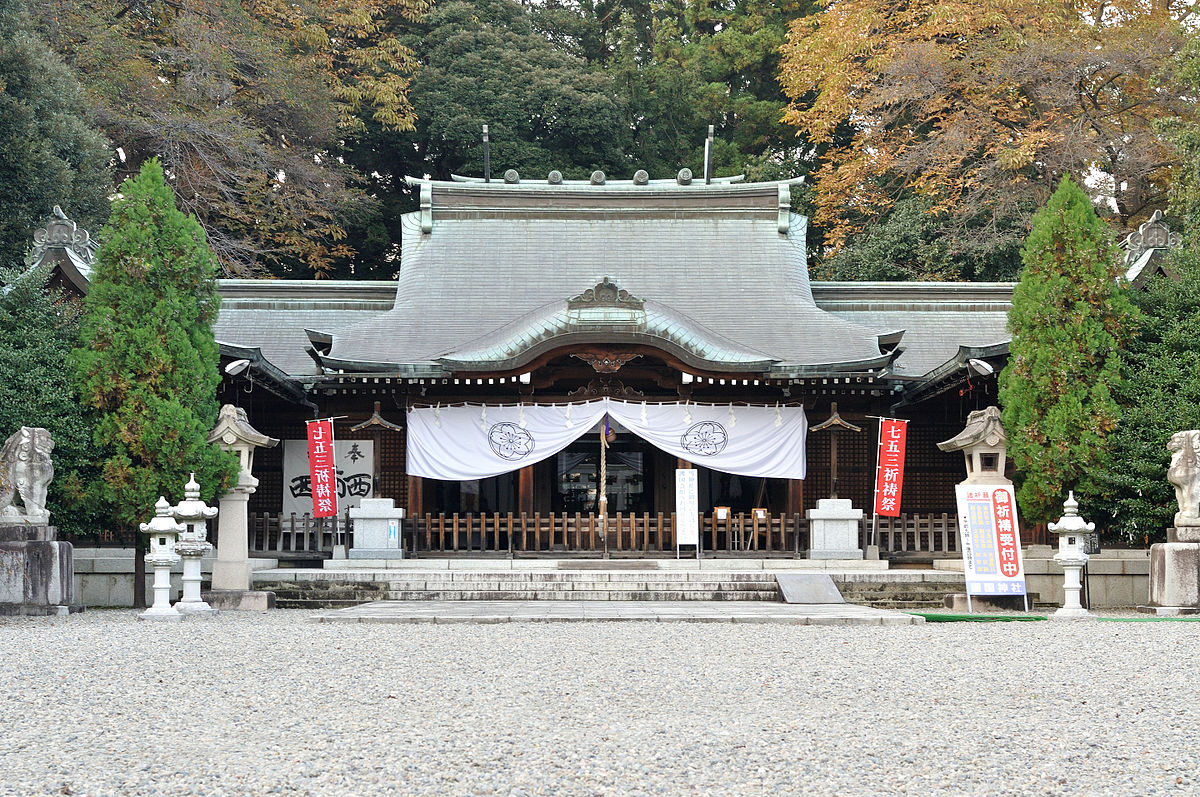
Kashima Shrine is an ancient shrine located in Kashima City, Ibaraki Prefecture, dedicated to Takemikazuchi-no-Mikoto as its main deity. According to the shrine's history, it dates back to its founding before Christ, and is known as a venerable shrine that has attracted the faith of samurai and martial artists since ancient times. With its tranquil grounds surrounded by a vast forest, its historic shrine buildings and groves, and the underground megalith known as the "keystone," the shrine offers many attractions, allowing visitors to experience Japanese faith and culture from ancient times to the present day.
Highlights
- Main hall and worship hall: A majestic shrine building. It has a long history and you can feel its high status. You can see the atmosphere of Shinto architecture up close.
- Keystone: According to legend, this stone holds back the giant catfish that causes earthquakes, and has been a popular spot since ancient times. Its size and mysterious atmosphere are what make it so appealing.
- Shrine Forest (Ancient Tree Forest): The natural forest that spreads within the temple grounds. The scenery created by the approach and giant trees changes with the seasons.
- Connection with martial artsTakemikazuchi-no-Mikoto is revered as the god of war, and the shrine is famous for its connection to swords and martial arts. It is visited by people involved in martial arts and worshippers with ties to combat sports.
- Goshuin and amulets: You will be given a goshuin (stamp) and various amulets as a memento of your visit (please note the opening hours of the gift shop).
Access (nearest station, transportation, etc.)
- Nearest station:Get off at Kashima-jingu Station on the JR Kashima Line and walk for about 5-10 minutes (there are signs directing you to the shrine grounds from the station).
- Approximate distance by train:From Tokyo, it takes about 1.5 to 2 hours by JR train (depending on the train and connections).
- car:Accessible from the Higashi-Kanto Expressway and the Tohoku Expressway. Parking is available around the temple grounds (we recommend checking in advance whether parking is free or paid, as this varies depending on the season).
- bus:Local buses and tourist buses from various places may also operate, and special buses may also operate during events.
- *Please check the official website or station/road guide in advance for specific times, fares, and parking conditions.
Estimated stay (estimated time required)
- To visit the temple grounds, take photos, and read the inscriptions: 30 minutes to 1 hour
- If you want to leisurely explore the sights within the temple grounds and receive a goshuin stamp or amulet, it will take 1-2 hours.
- If you include sightseeing in the surrounding area (including visiting Katori Shrine): Half a day to a full day
Nearby spots
- Katori Shrine (Sawara, Katori City): An ancient shrine in the eastern provinces, rivaling Kashima Shrine. Many people visit both shrines as a set.
- Kashima Football Stadium (Kashima Stadium) / Kashima Antlers-related facilities: A must-see for soccer fans, it gets crowded on match days.
- Sawara townscape: Streetscapes and waterside scenery that retain the atmosphere of the Edo period (accessible by car).
- Water Town Itako: A spot where you can enjoy sightseeing boats and the waterside scenery (there are also flower and bird viewing spots depending on the season).
Things to be aware of (crowding, etiquette, seasonal precautions, etc.)
- Visiting etiquette:Please be mindful of basic etiquette, such as bowing once in front of the torii gate, walking along the approach to the shrine, avoiding the center, purifying your hands at the water basin, bowing twice, clapping twice, and bowing once more when praying, etc. If there are areas where photography is prohibited, please abide by these rules.
- congestion:It gets especially crowded during New Year's visits, festivals such as the annual festival, long holidays, and weekends. There may be long wait times for a goshuin stamp, so please make sure you allow plenty of time when visiting.
- foot:The grounds are made up of natural terrain, with stone steps and unpaved areas. We recommend wearing comfortable walking shoes. Be careful of muddy and slippery areas after rain.
- Seasonal Notes:In summer, take measures against heat and insects (such as hats and insect repellent), and in winter, take measures against cold. The spring flowers and autumn leaves are beautiful, but pollen and fallen leaves can get your feet dirty.
- Facility information:The temple grounds are generally open to the public, but there may be separate admission fees and opening times for the Treasure Hall and special viewings. Please check the official information to see if there are any special viewings or the opening and closing times of the gift shop.
(Additional Information) Before visiting, it is a good idea to check the official website or local guide for the latest visiting hours, traffic information, and whether there are any special openings. Please ensure you dress appropriately and allow yourself plenty of time to enjoy your visit and stroll around the temple in a relaxed atmosphere.