Overview (history, characteristics, attractions)
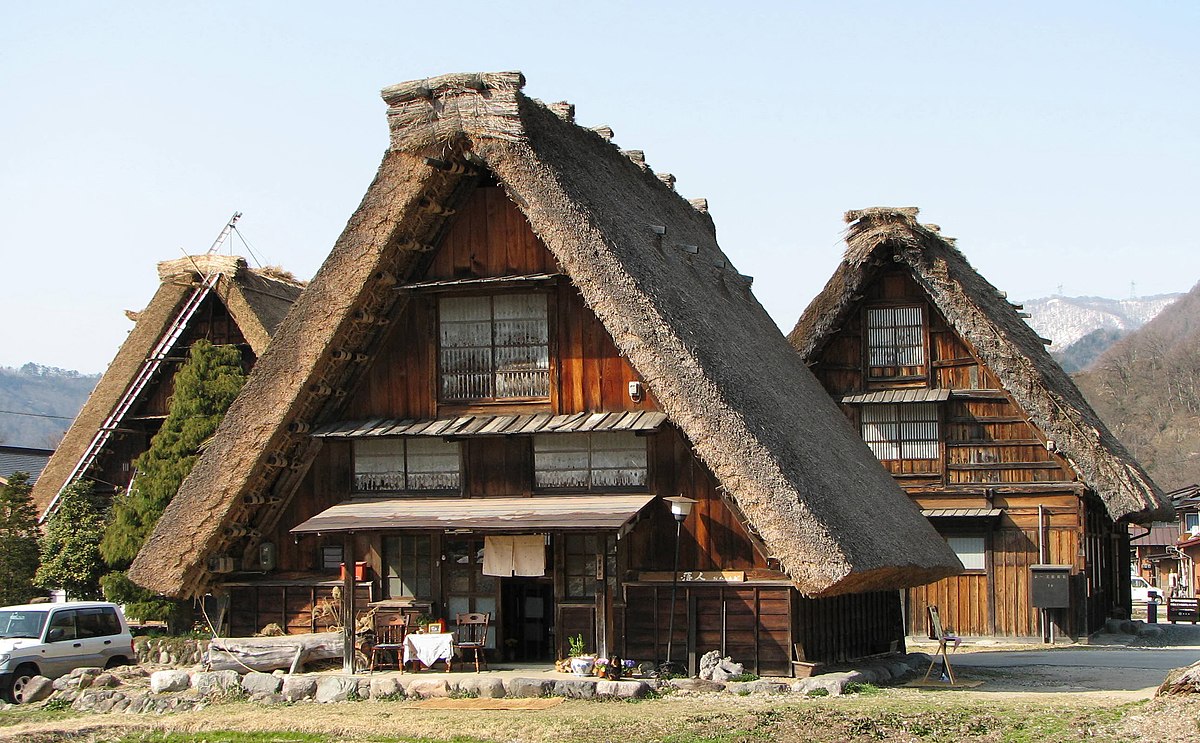
Shirakawa-go (Shirakawa Village, Ono District, Gifu Prefecture) is a densely packed village of steeply sloped thatched roof houses known as gassho-zukuri, and was registered as a World Heritage Site in 1995 as the "Gassho-zukuri Villages of Shirakawa-go and Gokayama." Gassho-zukuri houses have steeply sloped roofs to withstand the heavy snowfalls of winter, and are named for their shape, which resembles two hands clasped together. The natural environment and people's lives have been preserved for many years, and the beautiful scenery changes with each season, with its winter snowscapes and nighttime illuminations are some of the major attractions of the area.
Highlights
- Ogimachi Gassho Village: The central area is lined with well-preserved traditional gassho-style houses. Take a stroll and enjoy the exteriors of the old houses and the townscape.
- Ogimachi Castle Ruins Observatory (Shirakawa-go Observatory): A popular photo spot overlooking the entire village. If you walk up to the top, you can get a spectacular view overlooking the village (it takes 10 to 20 minutes).
- Wada family: A typical Gassho-style house that you can tour inside. There are explanations of everyday items and the architectural structure, giving you a concrete understanding of life in Gassho-style houses.
- Gassho-style Folk House Garden (open-air museum): Several relocated and preserved Gassho houses are on display, allowing visitors to learn about the lifestyles and occupations of those times.
- Temples, shrines and traditional eventsThe area offers a variety of seasonal cultural experiences, including local temples and festivals, farm scenes in spring and autumn, and snow hangings and illuminations in winter.
- Winter illuminations: A special event where houses floating in a snowy landscape are lit up (held on limited days, advance reservations and fees may apply).
- Local food culture and souvenirs: You can enjoy gohei mochi, local soba noodles, Hida beef dishes, and crafts (indigo dyeing, woodworking, etc.).
Access (nearest station, transportation, etc.)
- Train + bus (general)
- Nearest major stations: Takayama Station (JR Takayama Main Line) and Kanazawa Station (towards Hokuriku)
- From Takayama Station: Take the Nohi Bus (Takayama Nohi Bus) to Shirakawa-go Bus Terminal (approximately 50 minutes). The number of buses varies depending on the season.
- From Kanazawa Station: Direct Nohi Bus (Shirakawa-go Line) takes approximately 75-90 minutes (varies depending on the season and road conditions).
- car
- Take the Tokai-Hokuriku Expressway and head towards Shirakawa Village. There are several paid parking lots (for tourists) within the village, and it is about a few minutes to 10 minutes' walk from the parking lots to the village.
- In winter, snow and ice accumulate, so chains and studless tires are essential. Parking lots can get crowded and full, so plan accordingly.
- Tour Shuttle: There are day trip bus tours from Kanazawa and Takayama, as well as seasonal special services and shuttles during illumination events.
- Points to note: There are few buses and they tend to be crowded, especially on the return journey, so we recommend checking the timetable in advance and securing a return ticket.
Estimated stay (estimated time required)
- Day trip: 2-4 hours (including village walk, round trip to observation deck, and visit to private houses)
- If you want to take your time sightseeing, eating, and sightseeing: Half a day to a full day (4 to 6 hours)
- If you want to take photos or enjoy seasonal events (light-up), we recommend staying one night, including the nighttime stay (you can enjoy both the evening and nighttime atmosphere and the tranquility of the next morning).
Nearby spots
- Gokayama (Toyama Prefecture): Gassho-style villages such as Ainokura and Suganuma. Many people visit these villages together with Shirakawa-go.
- Takayama (Hida Takayama): Enjoy the old townscape, morning market, traditional Hida crafts and gourmet food (about 50 minutes by car from Shirakawa-go).
- Kanazawa: Kenrokuen Garden, Kanazawa Castle, Omicho Market, etc. It is common to visit these places on the same day as Shirakawa-go (direct buses available).
- Hot springs around Shirakawa-go: There are hot spring facilities and inns for guests to enjoy while bathing, with views of the snowy scenery.
Things to be aware of (crowds, manners, seasonal precautions, etc.)
- congestion: The park gets extremely crowded during Golden Week, autumn foliage season (October to November), the New Year holidays, and the winter illumination period. Buses and parking lots fill up, so we recommend leaving early and making reservations in advance.
- Consideration for residents' lives: This is also a place where people live. Please observe good manners, such as not trespassing on private property or residential spaces, not making noise, and being considerate when taking photographs (asking for permission when taking photos of people).
- Safety/ClothingIn winter, snow and ice can make the trail slippery, so be sure to bring warm clothing, waterproof shoes, and non-slip shoes. Even in spring and autumn, it can get chilly in the mornings and evenings.
- Precautions when lighting up: The illuminations are held on limited days, and admission may be restricted or a fee may be charged. Advance confirmation and reservations for tickets and shuttles may be required, so please check the official information.
- Check transportation and travel time: There are some sections where buses run infrequently, so be sure to check round-trip times in advance and plan your schedule so you can make it in time for the return bus.
- Garbage and Environmental Conservation: There are often limited trash bins, so please take your trash home or dispose of it at designated areas. Please walk along designated routes to preserve the natural and architectural features.
- Drones and filming equipment: The use of drones and other devices may be restricted in World Heritage areas. Please check with local governments or tourist information centers in advance.
Final Thoughts: Shirakawa-go is a precious tourist destination where both scenery and lifestyle remain. When visiting, please remember to be considerate of the environment and local residents, and take your time to enjoy the scenery throughout the seasons. Be sure to check the official website or tourist information center for the latest local information (bus times, illumination schedules, parking information, etc.) before traveling.