Overview (history, characteristics, attractions)
Okinoshima is a sacred island off the coast of Munakata City, Fukuoka Prefecture, and has long been revered as a key location for maritime traffic and marine worship. The island itself is a sacred site where Okitsumiya Shrine of Munakata Taisha Shrine is enshrined, and as a place of worship, offerings and votive offerings have been made over a long period of time, a group of extremely important archaeological ruins and numerous excavated artifacts have been confirmed. In recognition of its religious and historical value, the island was registered as a UNESCO World Heritage Site in 2017 as part of the "Munakata-Okinoshima Related Sites." Its major attractions are its unique atmosphere where the sea and faith are one, and the beauty of the scenery that can only be seen from the sea.
Highlights
- Okitsumiya (the island itself is a sacred area): The entire island is considered sacred, and is dotted with untouched rocks, huge rocks, and ancient ritual remains (public access and walking around the island is generally prohibited).
- Excavated items and treasures: Ritual artifacts such as mirrors, jewels, swords, and ornaments found on the island are on display at Munakata Taisha Shrine and nearby museums, providing insight into the ancient maritime ritual culture.
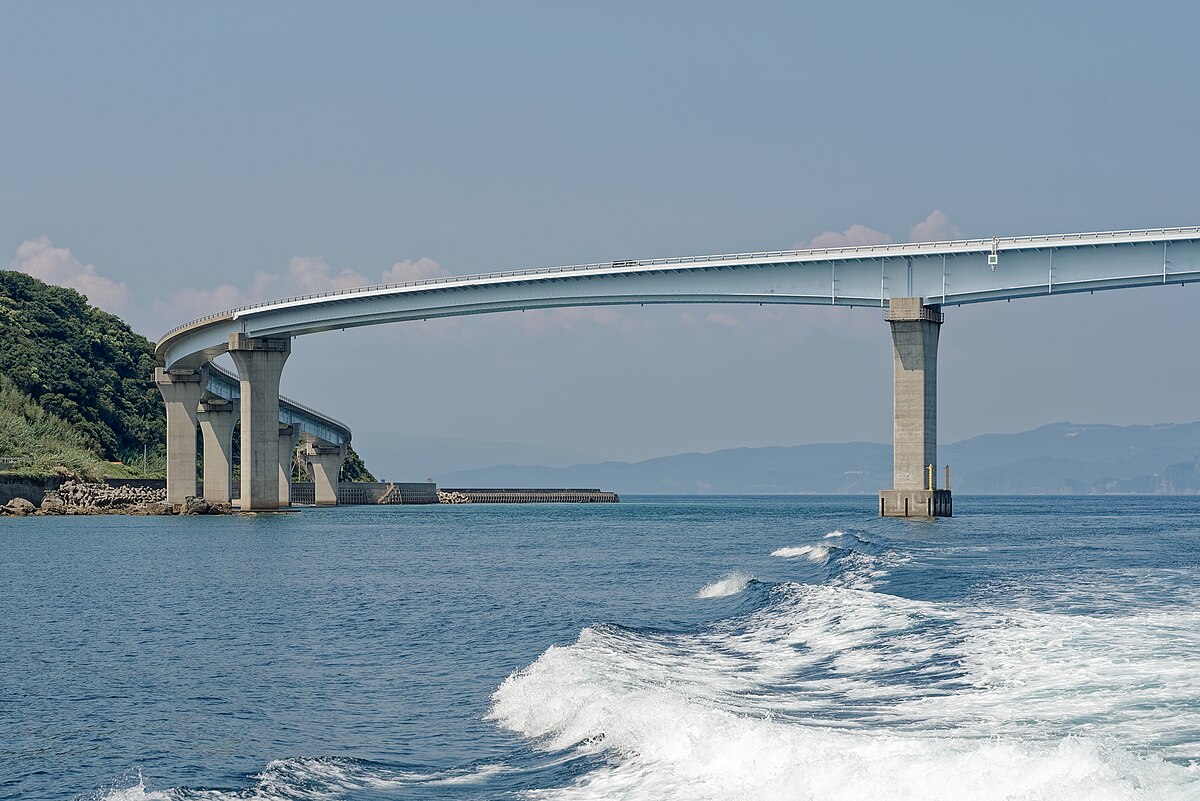
- View from the sea: The rocky surface of Okinoshima and the surrounding blue sea seen from the surrounding waters are photogenic, giving you the feeling of worshipping from the sea.
- Surrounding islands and religious landscapes: By touring Okinoshima and the three shrines of Munakata Taisha Shrine (Hetsumiya, Nakatsumiya, and Okitsumiya), which are related to the island, you can understand the flow of sea worship that is deeply rooted in the Munakata region.
Access (nearest station, transportation, etc.)
- Nearest station: Akama Station on the JR Kagoshima Main Line (the main station in the center of Munakata City). Akama Station is the closest station to Munakata.
From Akama Station to the port: Take a bus or taxi from Akama Station to a pier in Munakata City, such as Konominato Port (estimated travel time: approximately 20-30 minutes, varies depending on transportation).
- Access by boat: Okinoshima is an island managed by Munakata Taisha Shrine, and the general public is not permitted to land on it at any time. Landing is permitted only for religious events, academic research, or limited public access by Munakata City and Munakata Taisha Shrine. If you wish to land on the island or would like more information about its public access, please contact Munakata Taisha Shrine or the Munakata City Tourism Association in advance to check the permit procedures and operation information.
- Please note: Regular sightseeing boats do not operate all the time and schedules change depending on weather, fishing conditions, etc., so it is essential to check in advance.
Estimated stay (estimated time required)
– If you cannot land on Okinoshima: A visit to Munakata Taisha Shrine (Hetsumiya Shrine), a tour of the museum, and a stroll around the surrounding area will take approximately 2-3 hours.
- If you are going on a limited-time visit, the estimated time is approximately 3 to 5 hours, including the round-trip boat ride, landing, and guided tour by a Shinto priest (this may vary depending on the content of the visit).
– Plan your trip well in advance and take into account the arrival and departure times of the boats and the processing time at Munakata Taisha Shrine.
Nearby spots
– Munakata Taisha Shrine (Hetsumiya, Nakatsumiya, Okitsumiya): An ancient shrine consisting of three shrines. Hetsumiya is located on the mainland and serves as a base for worship and information gathering.
- Oshima (Munakata Oshima): This inhabited island is home to Nakatsu Shrine, and you can enjoy strolling and dining. The island's views and playing on the rocks are also recommended.
– Munakata Okinoshima Related Ruins Museum and Treasure Hall: Some of the artifacts excavated from Okinoshima are on display, allowing visitors to learn more about the island's history and the artifacts excavated there.
– Munakata Roadside Station: A rest stop where you can find local seafood, souvenirs, and information.
– Around Konominato Coast: There are restaurants where you can enjoy the sea view, the fishing port scenery, and seafood.
Things to be aware of (crowds, manners, seasonal precautions, etc.)
- Landing restrictions and prior confirmation: Okinoshima is a sacred area, and as a general rule, public landing is prohibited. Even if landing is permitted, prior application and adherence to the prescribed dress code and code of conduct are required. Be sure to check with Munakata Taisha Shrine or the Munakata City Tourism Association.
- The custom of prohibiting women from entering Okinoshima: Due to an ancient custom, women are still not permitted to land on the island (opening times and rules vary depending on the time and situation, so please check the latest information). Please check official information before visiting.
– Etiquette and Dress Code: As this is a sacred place, please dress and behave respectfully when visiting or worshiping. Eating, drinking, smoking, and littering are prohibited on the island.
- Restrictions on photography: Photography may be prohibited depending on the location or religious ceremony. Please follow local instructions.
- Weather and sea conditions: As most travel is by boat, trips may be canceled due to bad weather or high waves. Cancellations are particularly common during the typhoon season in autumn and bad weather in winter. Please check the operating conditions before departing.
– Physical condition and preparation: There are few facilities on the island, so please bring drinking water, a hat, sunscreen, etc. If you are prone to seasickness, please bring motion sickness medicine.
- Cultural property protection: Excavated items and remains are designated as important cultural properties. Taking artifacts home or touching them without permission is strictly prohibited. Please be mindful not to damage the surrounding nature or ruins.
lastly
Okinoshima is different from other tourist destinations where you can just "see and walk"; it has a strong aspect as a sacred place where the sea and faith come to life. When visiting, please respect the signs and rules of Munakata Taisha Shrine and Munakata City, and be sure to check in advance. By touring the island in conjunction with other historical sites and exhibits in the Munakata region, you can gain a deeper understanding of the history and faith of Okinoshima.