Overview (history, characteristics, attractions)
Eikando (Zenrinji, commonly known as Eikando) is a famous temple located in the Higashiyama area of Sakyo Ward, Kyoto City. It is said to have been founded in the Heian period, and many temple buildings and Buddhist statues were added after the Kamakura and Muromachi periods. Its official name is "Zenrinji," but it is commonly known as "Eikando" after the head priest, Eikan.
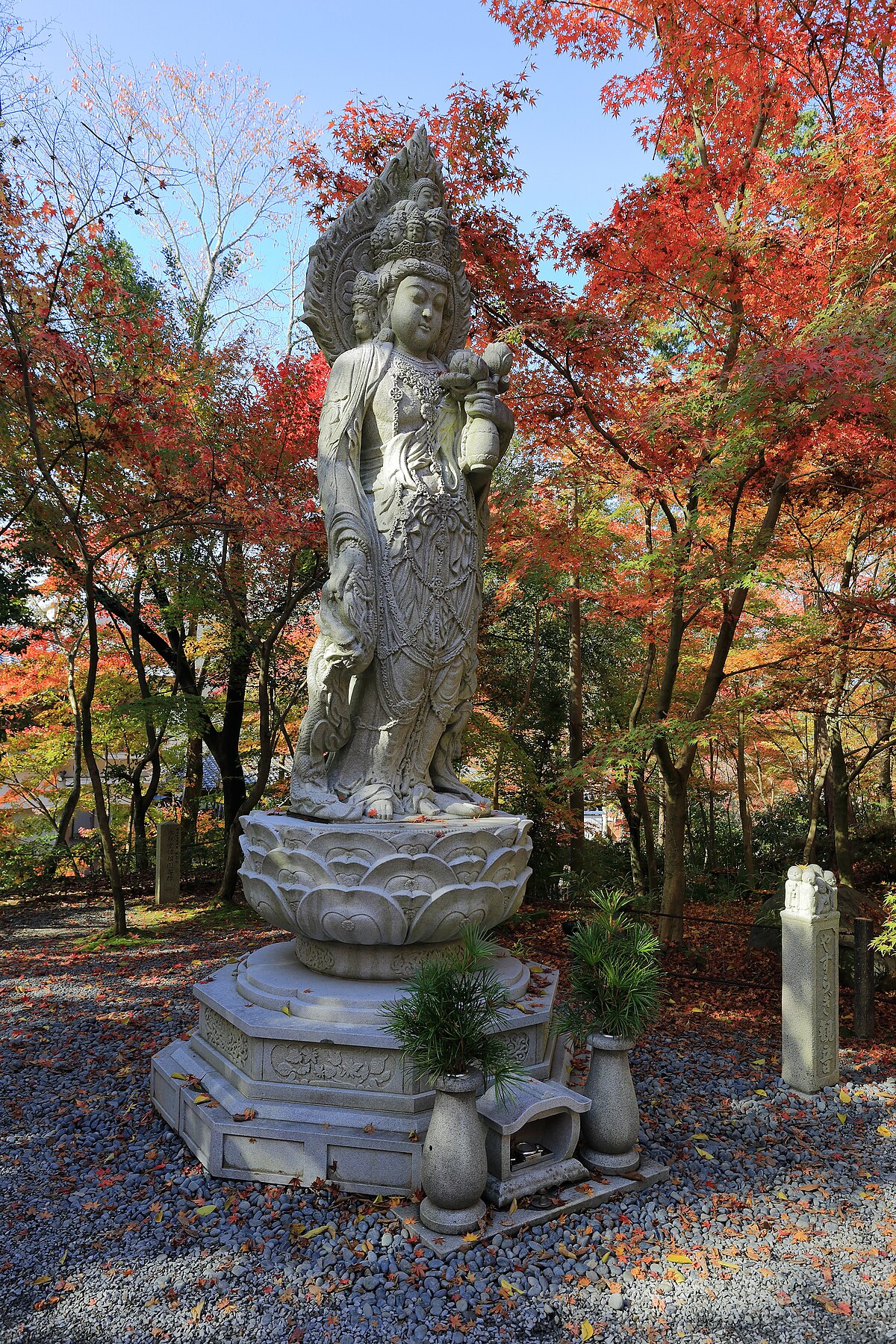
The temple's greatest feature is the unusual appearance of the Amida Buddha statue, the principal image of the temple, known as "Mikaeri Amida" (looking back Amida). Unlike ordinary Amida statues, the statue looks back at people, creating an impressive appearance that has attracted the faith of worshippers. The temple grounds also have the atmosphere of a strolling garden, and the cherry blossoms in spring, green maples in summer, and especially the autumn leaves are considered to be the best in Kyoto, attracting many tourists from both within Japan and abroad as a famous spot for viewing autumn leaves.
Highlights
- Looking Back Amida (principal image)
The unique figure of Amida Buddha looking back is popular among worshippers seeking blessings, as it is often possible to see it up close during worship visits.
- The strolling garden and stone steps within the temple grounds
The approach to the temple winds through the trees and the strolling garden with a pond. The scenery changes with the seasons, and there are many photo spots.
- Autumn leaves illumination (Autumn)
The temple is usually lit up at night from mid- to late November, and you can enjoy the fantastic scenery of the entire temple grounds being bathed in red and orange (the period and whether the event is held varies from year to year).
- Many temples and cultural properties
The area is dotted with impressive cultural assets, including historic buildings such as the main hall and pagoda, Buddhist statues, and sliding door paintings.
Access (nearest station, transportation, etc.)
- public transport
From Kyoto Station, it takes about 30-40 minutes by city bus (e.g. Kyoto City Bus Routes 5, 17, 100, etc.), or a few minutes' walk from the nearest bus stop. It's also convenient to take a bus from Keage Station or Higashiyama Station on the Tozai Subway Line, or from the Demachiyanagi/Ginkakuji area. For specific routes and times, please check the latest timetable and route search according to your departure point.
- car
The roads around the temple grounds are narrow, and there are only a limited number of large dedicated parking lots. As the surrounding roads become very congested during the tourist season, we recommend using public transportation.
- Walking
You can also combine this tour with other sightseeing spots in the Higashiyama area, such as the Philosopher's Path, Nanzenji Temple, and Ginkakuji Temple, on foot (the distance and time required for walking will vary depending on the route).
Estimated stay (estimated time required)
- Regular visit: 45 minutes to 1.5 hours
This is a guideline for those who wish to leisurely walk around the main hall and gardens and enjoy the Buddhist statues and gardens.
- Autumn foliage season illumination: 1.5 to 2 hours or more
You'll need to plan ahead to take into account crowds, photography, and nighttime queues.
Nearby spots
- Nanzenji Temple (walking distance) - famous for its large Sanmon Gate and Suirokaku Waterway.
- Ginkakuji (Jishoji) - A tourist attraction located at the northern end of the Philosopher's Path.
- Philosopher's Path — A cherry blossom-lined path and walking trail, perfect for a spring stroll.
- Heian Shrine — Landmarks include the vast shrine gardens and large vermilion torii gate.
- Yasaka/Gion area (somewhat farther away) — Traditional Kyoto streets and dining spots.
Things to be aware of (crowds, manners, seasonal precautions, etc.)
- congestion
It gets especially crowded during the autumn foliage season (mid- to late November). The queues to get in can be long during the illumination period, so we recommend visiting early in the morning, right after the gates open, or on a weekday.
- Visitor etiquette
Please remain quiet inside the hall and near the Buddha statues, and respect other worshippers and their religious practices. There are areas where photography is restricted (inside the hall, around the Buddha statues, etc.), so please follow the signs. Please refrain from using flash photography.
- Feet and stamina
The temple grounds have many stone steps and slopes, which can become slippery on rainy days. We recommend wearing comfortable walking shoes. There are some areas that are difficult to navigate with wheelchairs or strollers.
- Admission fee and visiting hours
Admission fees and opening and closing times may change depending on the season and events (such as illuminations). Please check the official website or on-site information in advance for the latest information.
- Clothes/cold protection
Please take precautions against the cold during nighttime visits in autumn as it can get quite chilly. In spring and autumn, there are also large temperature differences between day and night.
(Additional Information) Eikando Temple has its own charm in each season. The beauty of the autumn leaves is particularly exceptional, so it's best to visit with plenty of time and take precautions against crowds. Please check the official website for the latest information on visits and events (illumination events, etc.).