
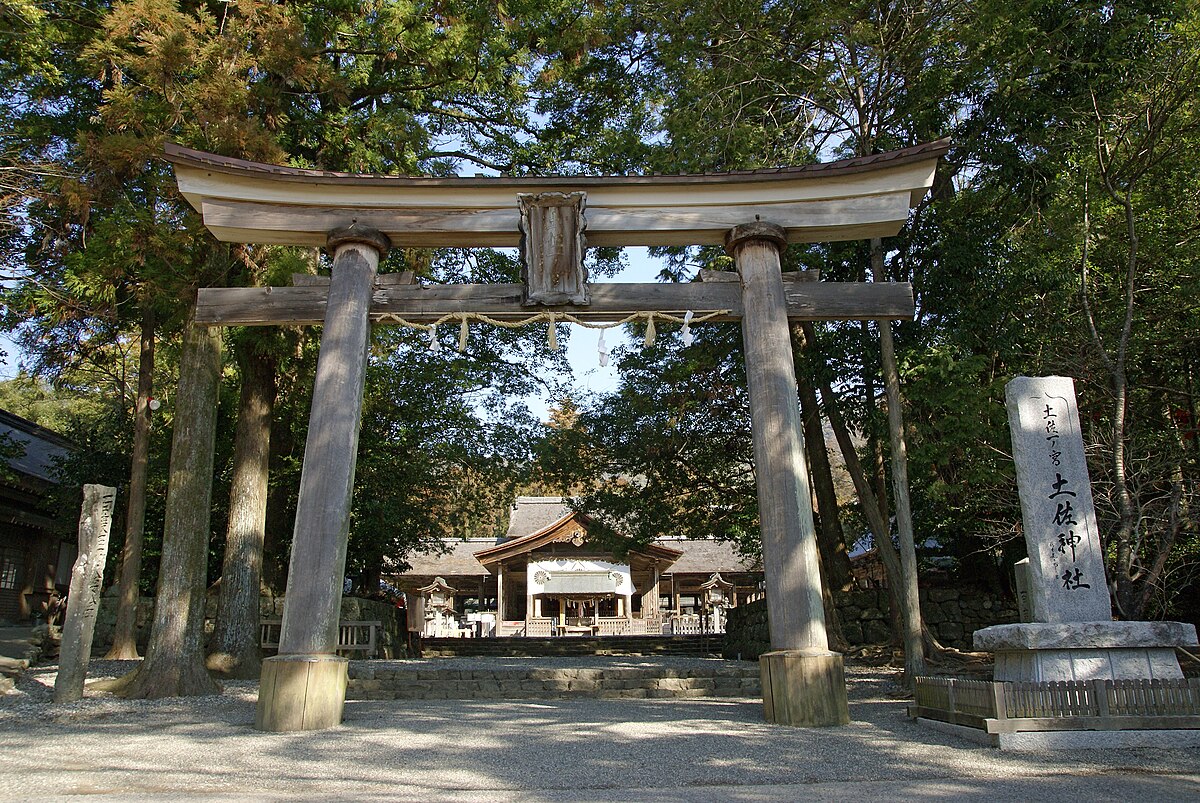
Overview (history, characteristics, attractions)
Tosa Shrine is an ancient shrine located in Kochi City, Kochi Prefecture, and has long been revered as the Ichinomiya shrine of the former Tosa Province (present-day Kochi Prefecture). Since ancient times, it has been worshipped as the guardian deity of the region and the guardian deity of the land, and its greatest appeal lies in its connection to Tosa culture through its groves, historic shrine buildings, and traditional events.
The grounds are home to the majestic main hall, worship hall, torii gates, old trees, and stone steps, and offer a sense of the changing seasons. The temple is particularly lively with local people coming to worship on New Year's Day and annual festivals. It is also well worth a visit for tourists, as it gives insight into the historical background and local faith.
Highlights
- Main Hall and Worship Hall: This is the central spot where you can see traditional shrine architecture up close, and observe the architectural style and carvings.
- Approach, torii gate and stone steps: The stately approach and stone steps are popular photo spots. They look different depending on the season.
- Shrine Grove (Ancient Trees): The large trees and groves within the grounds create a tranquil atmosphere, allowing you to enjoy the feeling of taking a walk in nature.
- Seasonal events: A good opportunity to experience local events such as the annual festival (often held around autumn) and New Year's visits to shrines.
- Information boards about traditions and history: There are information boards that explain the history of Tosa and the traditions related to the shrine, so you can learn about the cultural background.
Access (nearest station, transportation, etc.)
*The information below is for reference only. Please check the latest timetables and operation information in advance.
- Train + Bus/Tram: JR Kochi Station is the closest terminal. The most common way to get there is by bus or Tosaden Kotsu tram/bus from Kochi Station (takes about 15-30 minutes, depending on transfers and where you get off).
- Taxi: Approximately 10-20 minutes by taxi from Kochi Station (depending on traffic conditions).
- Private car: There may be parking lots near the temple grounds. Please note that the parking lot may be crowded when it is full or on festival days.
- Walking: As it is far from the city center, it may be difficult to access by foot alone. We recommend using public transportation or a car according to the sightseeing route.
Estimated stay (estimated time required)
- Short time (mainly worship and photography): 30 minutes to 1 hour
- Leisurely tour (strolling around the grounds, praying, learning about the history): 1-2 hours
- Take your time by combining it with sightseeing in the surrounding area: Half a day to a full day (when combining it with other sightseeing spots in the area)
Nearby spots
- Kochi Castle: A major tourist attraction in the center of Kochi City. It is recommended to visit this castle in addition to touring the castle grounds and strolling around the city.
- Hirome Market: A popular spot where you can enjoy local cuisine. It's a convenient place to grab a meal after visiting the shrine.
- Sunday Market (if held): A traditional morning market held near Kochi Castle. Local specialties and street stalls are lined up.
- Katsurahama/Sakamoto Ryoma Memorial Museum (a little far away, but a popular tourist spot): Visit the coast and historical sites related to Ryoma.
- Makino Botanical Garden (Kochi City): A must-visit spot for plant lovers. Enjoy seasonal flowers.
Things to be aware of (crowds, manners, seasonal precautions, etc.)
- Busy periods: The parking lot and approach to the shrine will be crowded during New Year's Day (New Year's Day to early January), annual festivals, and local events. Please consider using public transportation and arriving early.
- Worship Manners: Please observe the proper etiquette when visiting the worship hall (using the chozuya (purifying your hands), two bows, two claps, one bow, etc.), and refrain from smoking, eating, drinking, or talking loudly within the temple grounds.
- Photography: Some shrines have restrictions on photography inside the main hall or in certain other areas. Please follow the notices posted within the shrine grounds and the instructions of the chief priest.
- Footing/Steps: There are many stone steps and steps, so it is best to wear comfortable shoes. Be careful when it rains as it can be slippery.
- Clothing: Please dress respectfully (it may be best to avoid overly flashy clothing or large backpacks).
- Seasonal precautions: Take precautions against the heat in summer (wear a hat and stay hydrated), and against the cold in winter. Be aware of sudden changes in the weather during the rainy season and typhoon season.
If necessary, we will research details about the shrine (name of the main deity, year of construction, status of designation as an Important Cultural Property), the latest access methods (name of nearest station, bus route, timetable), dates of annual festivals, etc., and create a version that reflects accurate information for the article. Please let us know if you would like this information.