
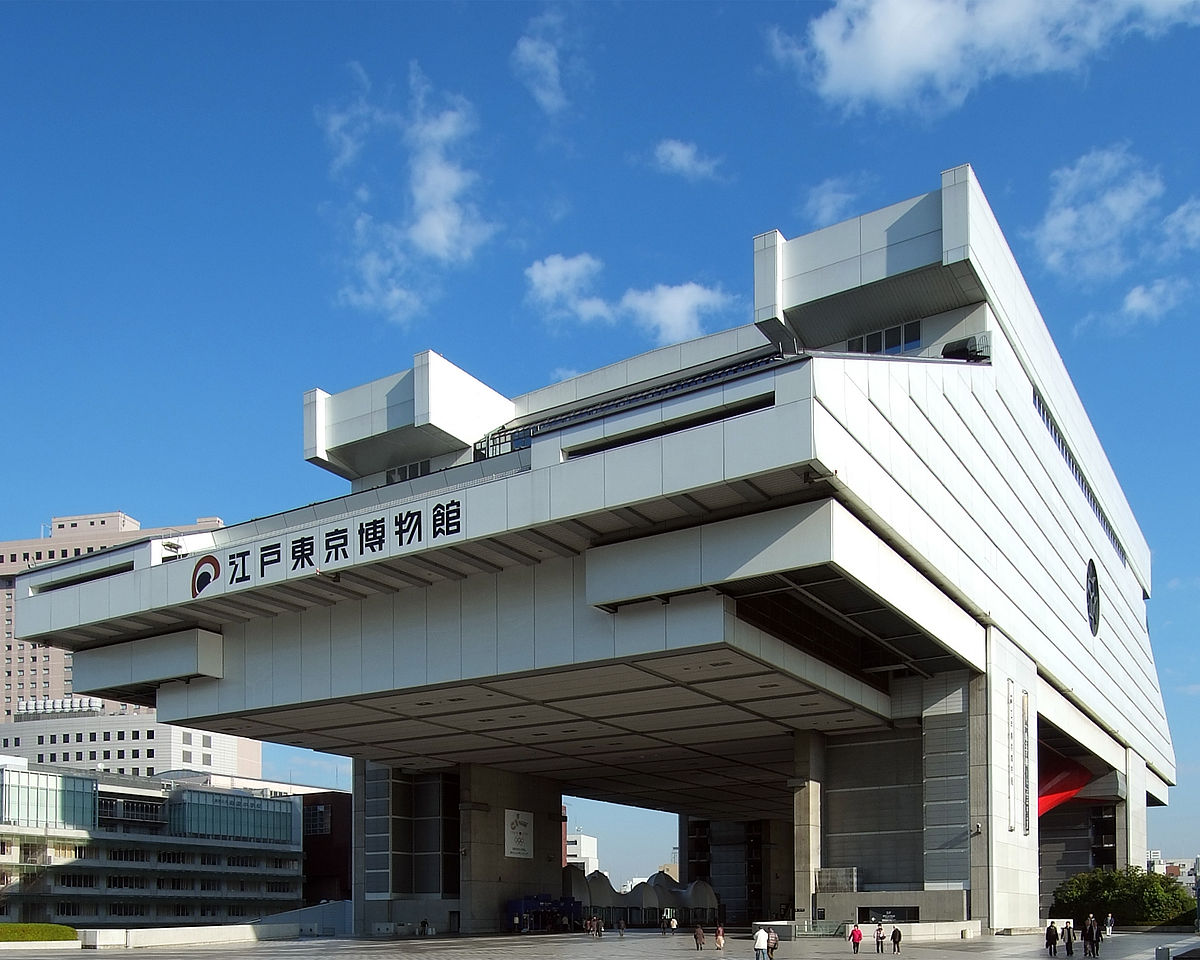
Overview (history, characteristics, attractions)
Located in Ueno Park, Taito Ward, Tokyo, the National Museum of Nature and Science is Japan's leading comprehensive museum of natural history and science and technology. Its origins date back to the Meiji period, and it has long been collecting, researching, and displaying natural history specimens and scientific materials. Currently, the museum, centered around the Japan Gallery (Main Building) and the Global Gallery, exhibits a wide range of topics, including evolution, biodiversity, the formation of the Earth, the history of science and technology, and the latest research. In addition to its academic collection, the museum also boasts a wealth of fascinating exhibits, including dinosaur fossils, large mammal skeletons, insect collections, and mineral specimens, making it a fun and educational destination for both children and adults. Special exhibitions are regularly held, and the museum also serves as a hub for education and research.
Highlights
– Global Gallery (permanent exhibition)
- The exhibition clearly shows the evolutionary process from the origin of life to the present day. There are plenty of fossils, biological models, and exhibits showing the evolutionary process.
– Japan Pavilion (permanent exhibition)
– Introduces the natural history of the Japanese archipelago, the relationship between humans and nature, and the history of the development of science and technology. There are a wealth of historical materials and specimens.
– Dinosaur and Paleontology Corner
- The large fossil and skeleton exhibits are great for taking photos and are popular with children. Special exhibitions often feature eye-catching fossils.
– Biodiversity and specimen exhibits
- There are many taxidermy specimens and specimens of insects, birds, and mammals. There are many exhibits that allow you to observe them in detail.
– Experiential and hands-on exhibits
– They often have a wide range of programs for children, including tactile exhibits, experience booths, and workshops.
– Special exhibitions and planned exhibitions
– Special exhibitions that delve deeper into the latest research findings and themes are held regularly. Please check the contents and ticket information in advance.
Access (nearest station, transportation, etc.)
- Address (approximate): Ueno Park, Taito-ku, Tokyo (inside Ueno Onshi Park)
– Nearest station
- Approximately 5-10 minutes walk from the Park Exit or Shinobazu Exit of JR Ueno Station
- About a 5-minute walk from Keisei Ueno Station
- Approximately 8-10 minutes walk from Tokyo Metro Ueno Station (Ginza Line/Hibiya Line)
– Bus/Car
- You can also use the Toei bus route. Although there are parking lots around Ueno Park, the number of spaces is limited and they tend to fill up during peak hours, so we recommend using public transportation.
– From the airport
From Narita Airport, take the Keisei Line to Keisei Ueno Station, and from Haneda Airport, take the Keikyu or Toei Asakusa Line or use the limousine bus.
Estimated stay (estimated time required)
- Short visit: 1-2 hours (to quickly see the main exhibits)
– Standard tour: 2-4 hours (take a thorough look at the permanent exhibition, and also use the mini exhibition and museum shop)
- Long visit/family: half a day to a full day (if attending special exhibitions or workshops)
*Depending on the special exhibition or the level of congestion, it may take longer.
Nearby spots
– Ueno Park (wide walking area, famous cherry blossom spot)
– Tokyo National Museum (Japanese Art and Archaeology)
– National Museum of Western Art (Modern Art)
– Ueno Zoo (popular with families)
– Ameya Yokocho (shopping and dining)
– Shinobazu Pond (boating and walking spots)
These are all within walking distance of each other, making it a great way to spend a day visiting the museums.
Things to be aware of (crowds, manners, seasonal precautions, etc.)
– Crowded
– It gets very crowded on weekends, national holidays, during the cherry blossom season in spring, during summer vacation, Golden Week, and when special exhibitions are held. Weekday mornings are relatively quiet.
– Admission/Tickets
– For special exhibitions, time-specific tickets or advance purchase may be recommended. Please check the official website for the latest information and ticket sales status.
- photo shoot
– While photography is permitted in most permanent exhibits as long as you do not use a flash or tripod, it is prohibited in special exhibitions and some other exhibits. Please follow the signs at the venue.
– Food, drinks and belongings
- Eating and drinking is prohibited inside the exhibition rooms. Please use the cafes and rest areas within the museum. For large luggage, we recommend using coin lockers or cloakrooms (fees may apply).
- Manners
– Please do not touch specimens or exhibits, do not block aisles, and be considerate of those around you (such as the volume of your voice). If you are with children, please make sure they do not run around.
– Barrier-free facilities
– There are wheelchair-accessible routes, elevators, nursing rooms, multi-purpose toilets, etc. If you need these facilities, it's a good idea to check in advance.
– Weather and clothing
– The exhibition rooms are temperature-controlled all year round, but you will be walking around the museum so we recommend wearing comfortable shoes. Ueno Park gets very crowded in the spring during cherry blossom viewing.
lastly
The latest exhibits, opening hours, closing days, admission methods (same-day tickets and online reservations), etc. are updated regularly on the official website. Checking the official information before your visit will ensure a smooth experience. The National Museum of Nature and Science is a place full of learning and discovery, so you can spend a fulfilling time by planning your visit around areas that interest you.