Overview (history, characteristics, attractions)
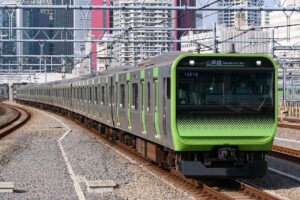
Kita-Senju is an area around one of Tokyo's most famous terminal stations in Adachi Ward, and once known as "Senju-shuku," it was a key location on the Nikko Kaido road and for water transportation. Today, it's a transportation hub serving the JR Joban Line, Tokyo Metro Hibiya Line, Tobu Skytree Line (Isesaki Line), and Tsukuba Express, and has developed into a city for commuting, shopping, and dining. While department stores and commercial facilities are concentrated in front of the station, backstreets still retain traditional shopping streets and privately owned restaurants and izakayas, creating a unique atmosphere that blends retro and modern styles. There are many shops catering to local residents, making it a great place to casually enjoy local cuisine and downtown atmosphere.
Highlights
– Shopping arcades around the station: Lined with traditional delicatessens, set meal restaurants, Japanese sweets shops, and unique little stores, you can enjoy shopping and eating your way around. You can experience the local atmosphere.
- Izakayas and drinking districts: The izakayas and standing bars lining the alleys are recommended for a night stroll. They offer a wide variety of cheap and delicious local dishes.
– Senju Ohashi Bridge, Sumida River, and Arakawa River riverbeds: Enjoy walking or cycling along the riverside, and in spring, enjoy the cherry blossoms. The scenery from the bridges and riverbanks also makes for great photo spots.
- Places where you can feel the culture and history: Historical sites that tell the history of Senju-juku and remnants of the old townscape are scattered around. Take a stroll and feel the atmosphere of the Edo to Meiji periods.
- Commercial facilities and shopping: You can conveniently shop at shopping buildings and chain stores directly connected to or in front of the station (ranging from local stores to national chains).
Access (nearest station, transportation, etc.)
– Nearest station: Kitasenju Station
– JR Joban Line (local trains)
- Tokyo Metro Hibiya Line (Kita-Senju is the starting and ending point)
– Tobu Skytree Line (Tobu Isesaki Line)
– Tsukuba Express (TX)
– Approximate distance from the city center:
- From Ueno or Asakusa, it takes about 20 minutes by train (depending on the line and transfers).
- From Akihabara, it's about one stop on the Tsukuba Express (travel time depends on the line).
- Bus: Buses run from the station to various parts of Adachi City and neighboring wards. Buses and bicycles are convenient for getting to parks and riverbanks.
- Bicycles and walking: There are many attractions within walking distance of the station. We also recommend renting a bicycle or exploring by bicycle.
Estimated stay (estimated time required)
– Shopping/light stroll: 1-2 hours
– Night bar crawl (Izakaya hopping): 2-4 hours
– Half-day course including leisurely strolls, riverside walks, historical sites, etc.: 3 to 5 hours
- One-day sightseeing including nearby spots (combined with Asakusa or Ueno): Half a day to one day
Nearby spots
- Asakusa: Kaminarimon Gate, Sensoji Temple, etc. Easily accessible by train with a direct line or one transfer.
- Ueno: Ueno Park, museums, and the zoo area. A few train stops away.
- Tokyo Skytree: Accessible via the Tobu Line, it features an observation deck and commercial facilities.
– Parks along the Sumida River and Arakawa River: Great for strolling and taking photos.
- Shitamachi area (the area around Shibamata, Kameari, and Senju): Dotted with unique local spots.
Things to be aware of (crowds, manners, seasonal precautions, etc.)
- Congestion during rush hour: During the morning and evening rush hours, the station premises, ticket gates, and platforms are extremely crowded. If you are visiting for sightseeing, we recommend visiting during the quieter times of the day, from late morning to early afternoon, or in the evening or night.
- Passing through alleys and shopping streets: Narrow alleys and shopping streets are crowded with pedestrians, so be mindful of shoppers and cyclists. Stopping in front of stores for long periods of time can be a nuisance, so please be considerate.
- Payment at restaurants: Small, privately owned establishments may only accept cash. It's a good idea to check in advance whether cards or electronic payments are accepted.
- Smoking and garbage etiquette: Smoking on the street and littering are bad manners. Please smoke in designated smoking areas or inside stores. Please take your garbage home with you or separate it accordingly.
- Weather and season: Access to the riverbed may be restricted during rainy weather or when the river is flooded. In summer, it can be very hot and humid, so be sure to take precautions against heatstroke. In winter, dress warmly to protect yourself from the cold and strong winds.
- Nighttime precautions: Kitasenju is a relatively safe area, but there is also a bar district that gets crowded late at night, so please take basic precautions such as keeping your valuables safe and avoiding loud noises and other nuisances.
(Tip) If you're visiting for the first time, the standard course for Kitasenju is to stroll around the shopping district and riverside around the station during the day, and enjoy the downtown atmosphere at an izakaya in the evening. With good transportation access, it's easy to combine your visit with Asakusa, Ueno, Skytree, and other attractions.