Overview (history, characteristics, attractions)
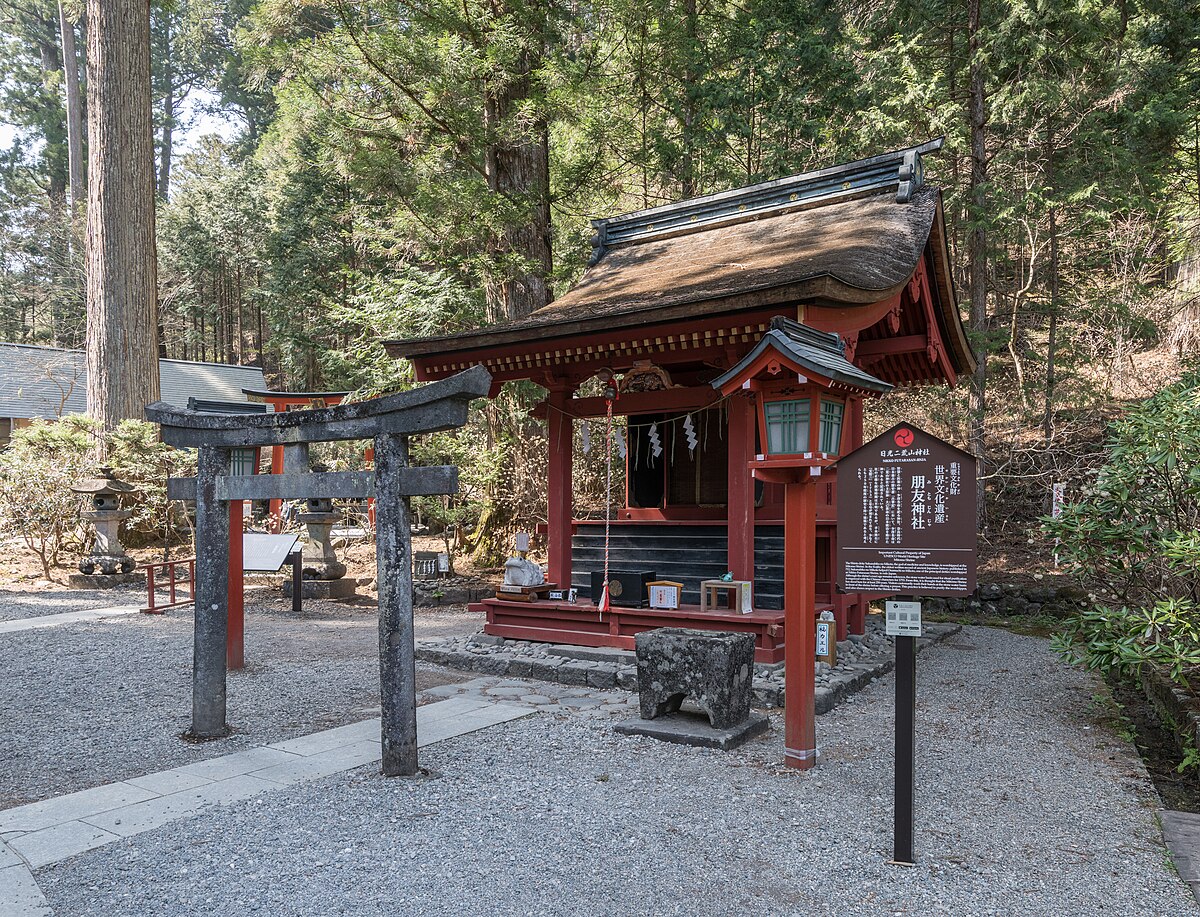
Futarasan Shrine (Nikko City, Tochigi Prefecture) is one of Nikko's most ancient shrines, and is deeply connected to mountain worship. According to legend, the shrine originated when Shodo Shonin trained in Nikko in the 8th century and enshrined the god of Mount Nantai (also known as Mount Taro). Since then, the shrine has developed into a shrine dedicated to the gods of Mount Futara (Futarasan), or two mountains.
It is one of the shrines and temples of Nikko (Toshogu Shrine, Rinnoji Temple, and Futarasan Shrine), and was registered as a component of the World Heritage Site "Shrines and Temples of Nikko" in 1999. The shrine grounds are still home to old trees, stone steps, and the majestic structure of the shrine building, and its charm lies in the harmony between nature and history. Many people visit the shrine to pray, collect stamps, and as the starting point for mountain worship, and the scenery is especially beautiful during the fresh greenery of spring and the changing leaves of autumn.
Highlights
- Main hall and worship hall: Traditional shrine architecture. It has a solemn and calm atmosphere and is a popular photo spot.
- Large torii gate and approach to the shrine: The stone steps of the approach to the shrine and the large torii gate blend into the mountain scenery of Nikko with a dignified appearance.
- Old trees and nature: The giant trees on the grounds and the lush surrounding forest offer beautiful scenery throughout the seasons.
- Chugushi Shrine: A branch shrine related to the faith of Mount Futara, it serves as a base for worshipping at Mount Nantai (Chugu) (Chugushi Shrine has branch shrines in Nikko City and around Lake Chuzenji, so please check which one you are visiting).
- Goshuin and gift shop: You can receive goshuin and amulets at the shrine office on the grounds (office hours vary depending on the season).
Access (nearest station, transportation, etc.)
- Nearest stations: Tobu Nikko Station and JR Nikko Station. Both stations are within walking distance, and the hotel is located in the same area as tourist attractions (Toshogu Shrine, Rinnoji Temple, Shinkyo Bridge, etc.).
- Walking: Approximately 10-15 minutes on foot from Tobu Nikko Station, or 15-20 minutes on foot from JR Nikko Station (time required varies depending on walking route and walking speed).
- Bus: Tourist circular buses and Tobu buses run from in front of each station. You can get off near your destination and walk to the shrine.
- By car: Accessible via the Kita-Kanto Expressway or the Nikko-Utsunomiya Expressway. There is a paid parking lot near the temple grounds (please note that it may be full).
- Note: Roads and parking lots will be congested during the tourist season (especially during the autumn foliage season and Golden Week). We recommend using public transportation.
Estimated stay (estimated time required)
- Short visit: 30-60 minutes (including visiting the main hall, strolling around the grounds, and receiving a temple seal)
- Viewing at your leisure: 1.5 to 2 hours (half a day to a full day if you also visit the nearby Toshogu Shrine and Rinnoji Temple)
- If you include hiking and sightseeing around Lake Chuzenji: Half a day to a full day (please plan ahead for hiking and sightseeing around the lake)
Nearby spots
- Nikko Toshogu Shrine: Famous for its gorgeous shrine buildings and sculptures. It is in the same World Heritage Site area as Futarasan Shrine.
- Rinnoji Temple: A historic temple complex with important cultural properties such as the Sanbutsudo Hall.
- Shinkyo Bridge: An old-fashioned vermilion-lacquered bridge. A symbolic sight of Nikko.
- Lake Chuzenji and Kegon Falls: Accessible by car or bus. A tourist destination with beautiful natural scenery.
- Nikko Edo Village (theme park): An experiential facility that recreates the townscape of the Edo period.
Things to be aware of (crowds, manners, seasonal precautions, etc.)
- Crowds: It gets especially crowded during the autumn foliage season (late October to mid-November), Golden Week, and weekends. Early morning visits tend to be less crowded.
- Worship Manners: Please observe basic etiquette, such as bowing once when passing through the torii gate, purifying yourself at the temizuya (purification fountain), bowing twice, clapping twice, and bowing once more in front of the worship hall. There are areas inside the shrine where photography is prohibited, so please follow the signs.
- Clothing and footwear: There are stone steps and gravel paths within the temple grounds, so we recommend wearing comfortable walking shoes. In winter, there may be ice and snow, so please bring cold weather gear and anti-slip shoes.
- Nature/Climbing Caution: If you are planning to visit Chugushi Shrine or climb Mt. Nantai, please be sure to check your climbing equipment, physical strength, and weather conditions (it is dangerous in bad weather).
- Goshuin/Seal Office: Due to its popularity, there may be a line. It is best to check the official website in advance to confirm the times for issuing and accepting goshuin.
- Opening hours of nearby facilities: The opening hours of nearby facilities (such as shrine offices, museums, and souvenir shops) often change depending on the season, so we recommend checking in advance.
Finally: Futarasan Shrine is an ancient shrine located at the heart of Nikko tourism. By visiting it together with Toshogu Shrine and Rinno-ji Temple, you can get a stronger sense of Nikko's unique landscape, a blend of history and nature, and the depth of faith. Please check the official website for the latest visit and access information before visiting.