Tourist attractions--archive--
-

Shomyo Falls (Tateyama Town, Toyama Prefecture)
Shomyo Falls (Tateyama Town, Toyama Prefecture) Overview (History, Features, and Attractions) Shomyo Falls, located in Tateyama Town, Nakaniikawa District, Toyama Prefecture, is one of Japan's largest waterfalls. With a drop of approximately 350 meters, it is known as the country's largest waterfall (as a waterfall that flows year-round). The dynamic water cascades down the cliffs in four tiers... -
Former Iwasaki Residence Garden (Taito Ward, Tokyo)
Overview (History, Features, and Attractions) The Kyu-Iwasaki Residence Gardens is a facility that preserves and opens to the public the mansion and gardens built in the Meiji period as the main residence of the Iwasaki family, a Mitsubishi zaibatsu. The Western-style main building, based on Western architecture, is integrated with a Japanese-style study and tatami room (Japanese-style building), a billiards room, and more... -
Meiji Shrine (Shibuya Ward, Tokyo)
Overview (History, Features, and Attractions) Meiji Shrine is a shrine located in Yoyogi, Shibuya Ward, Tokyo, dedicated to Emperor Meiji and Empress Shoken. Founded in 1920 (Taisho 9), it has undergone postwar reconstruction and renovation to its present state. Despite being located in the heart of the city, it covers an area of approximately 700,000 square meters... -
Gion (Higashiyama Ward, Kyoto City, Kyoto Prefecture)
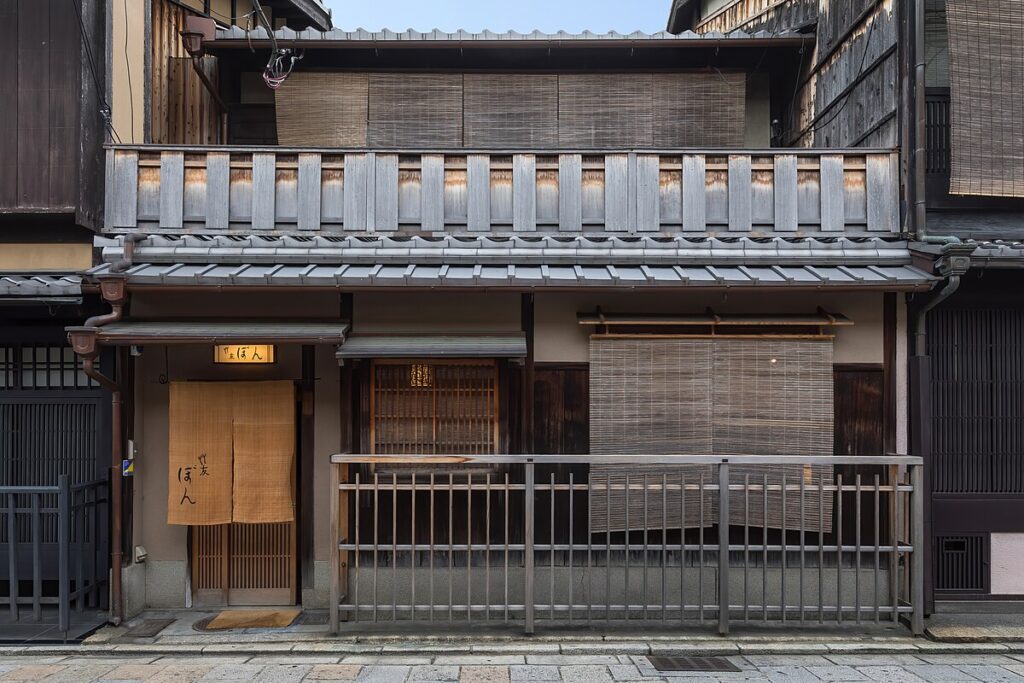
Overview (History, Features, and Attractions) Gion is a representative traditional entertainment district in Higashiyama Ward, Kyoto City. It once developed as a center of entertainment and hospitality, intertwining with the culture of the nobility and samurai. Yasaka Shrine (Gionsha) is located in the center, and ancient festivals and events continue to be held here today. The area boasts lattice doors and... -
Akita Inu Hall (Odate City, Akita Prefecture)
Overview (History, Characteristics, and Appeal) The Akita Inu Kaikan (Akita Inu Hall) is an information hub for Akita dogs located in Odate City, Akita Prefecture. It focuses on introducing the history and characteristics of Akita dogs, as well as activities to preserve and promote them. It features exhibits where visitors can interact with actual Akita dogs, as well as displays of photographs and documents, and an information corner on genetics and breeding. -
Ryusendo Cave (Iwaizumi Town, Iwate Prefecture)
Overview (History, Features, and Attractions) Ryusendo Cave is a limestone cave located in Iwaizumi Town, Kesen District, Iwate Prefecture. It is a tourist attraction known for its highly transparent underground lake and the mysterious blue color of the water. The multi-layered stalactites, columnar formations, and the beautiful illuminations inside the cave captivate visitors. -
Cape Shionomisaki (Kushimoto Town, Wakayama Prefecture)
Overview (History, Features, and Attractions) Cape Shionomisaki is the southernmost cape on Honshu, located in Kushimoto Town, Higashimuro District, Wakayama Prefecture. Since the construction of a lighthouse and navigational markers during the Meiji period, it has played a key role at sea. It boasts cliffs offering panoramic views of the Pacific Ocean, a monument on the cape, and the Shionomisaki Lighthouse, as well as a wealth of information on the warm and black currents... -
Shimogamo Shrine (Sakyo Ward, Kyoto City, Kyoto Prefecture)
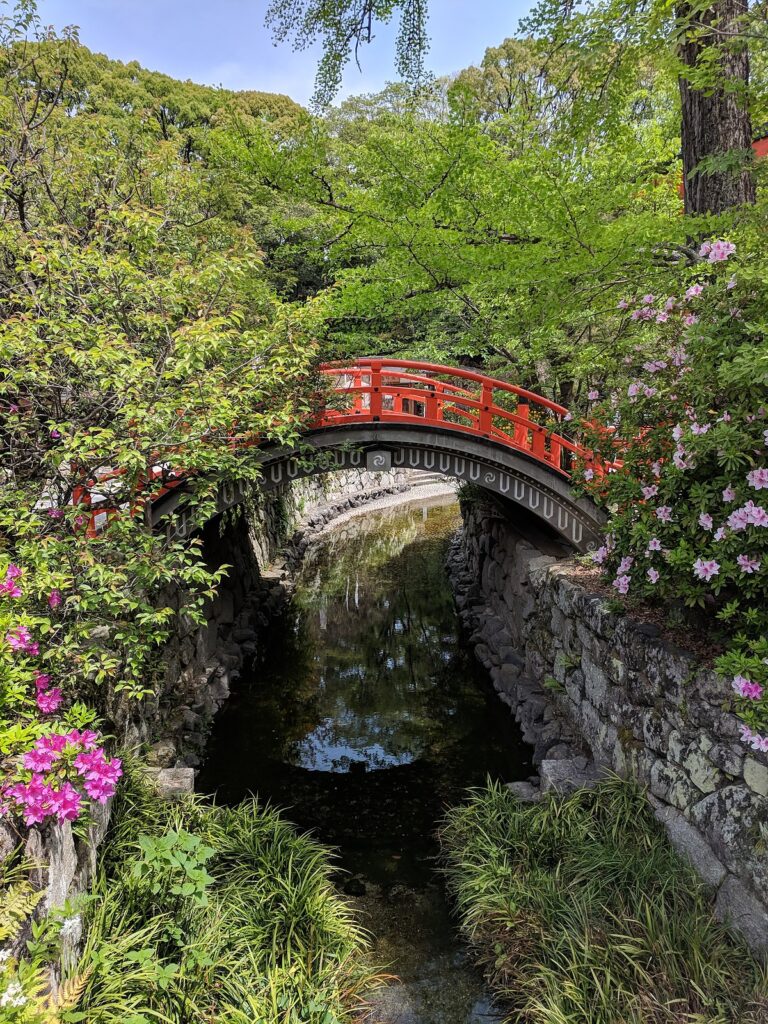
Overview (History, Features, and Attractions) Shimogamo Shrine (officially Kamo Mioya Shrine) is an ancient shrine located in Kyoto City's Sakyo Ward, and is one of the oldest shrines in the city. It enshrines the guardian deity of the Kamo clan and has long been revered as the center of protection and religious ceremonies for the capital. It is surrounded by a vast evergreen forest known as Tadasu-no-Mori... -
Onuma Park (Nanae Town, Kameda District, Hokkaido)
■ Overview (History, Features, and Attractions) Onuma Park (Nanae Town, Kameda District, Hokkaido) is a scenic park dotted with lakes and small islands at the foot of Mount Komagatake. It is said to have been formed by changes in the topography caused by the eruption and volcanic activity of Mount Komagatake during the Edo period. Large and small islands, the grassy lakeside, and the majestic Mount Komagatake are interwoven... -
Nagoya Castle Ruins (Karatsu City, Saga Prefecture)
Nagoya Castle Ruins (Karatsu City, Saga Prefecture) Overview (History, Features, and Attractions) Nagoya Castle Ruins is the site of a castle built by Toyotomi Hideyoshi as a base for his invasion of Korea (the Bunroku-Keicho War, 1592-1598). Stone walls, earthen platforms for enclosures, and moat remains remain, along with the remains of many feudal lord camps and military bases from that time.