Tourist attractions--archive--
-

Kyoto International Manga Museum (Nakagyo Ward, Kyoto City, Kyoto Prefecture)
Kyoto International Manga Museum (Nakagyo Ward, Kyoto City, Kyoto Prefecture) Overview (History, Features, and Attractions) The Kyoto International Manga Museum is a specialized museum that aims to preserve and publicize modern manga culture and promote international exchange. It is housed in a historic building that was once an elementary school, and... -
Yokohama Marine Tower (Naka Ward, Yokohama City, Kanagawa Prefecture)
Overview (History, Features, and Attractions) Yokohama Marine Tower is one of the landmark towers along Yokohama's harbor, and has long been a beloved symbol of the port city. Since its construction, it has functioned as a lighthouse for navigation, while also serving as an observation facility and drinking establishment for local residents and tourists. -
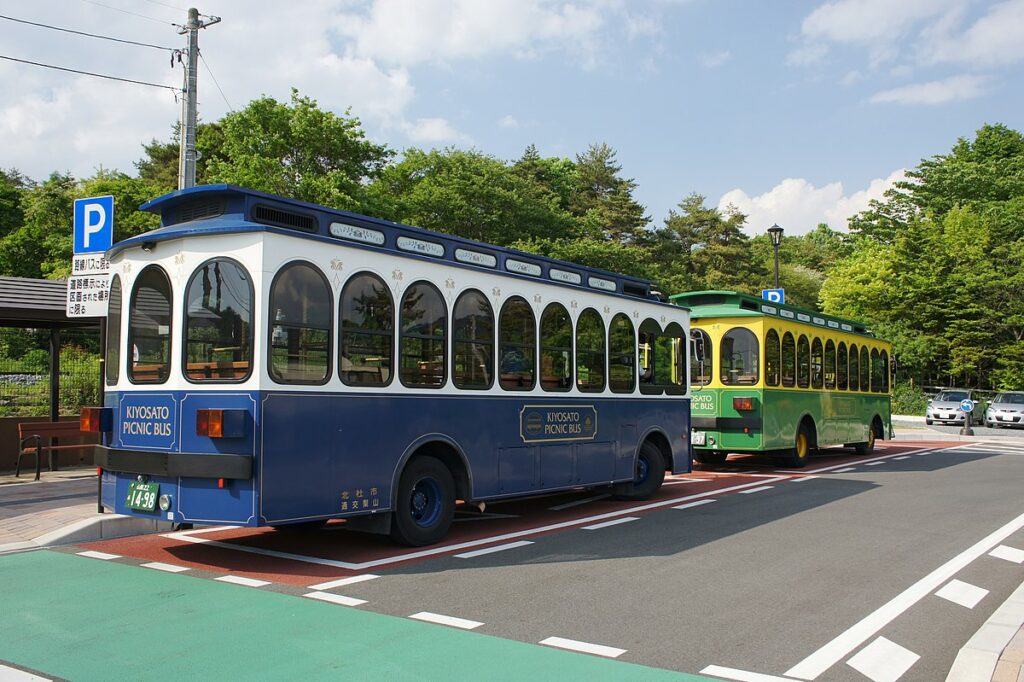
Kiyosato Plateau (Hokuto City, Yamanashi Prefecture)
Overview (History, Features, and Attractions) The Kiyosato Plateau (Kiyosato District, Hokuto City, Yamanashi Prefecture) is a highland resort located at an altitude of approximately 1,200 to 1,400 meters. Developed through the efforts of American educator Paul Rusch and others before and after the war, it developed as a summer resort and health resort. Its spacious grasslands, the Hachig... -
Lake Shoji (Fujikawaguchiko Town, Minamitsuru District, Yamanashi Prefecture)
Overview (History, Features, and Attractions) Lake Shojiko is one of the Fuji Five Lakes, located in Fujikawaguchiko Town, Minamitsuru District, Yamanashi Prefecture. It is a small lake known for its tranquility and magnificent views of Mount Fuji. Formed by eruptions and lava flows from Mount Fuji, it is the smallest of the five lakes and is not a popular tourist destination. -
Kibitsu Shrine (Kita Ward, Okayama City, Okayama Prefecture)
Kibitsu Shrine (Kita Ward, Okayama City, Okayama Prefecture) Overview (History, Features, and Attractions) Kibitsu Shrine is one of the major shrines representing the ancient Kibi region, and its main deity is Kibitsuhiko-no-Mikoto. It conveys the faith of the Kibi region that has continued since ancient times, and is often associated with the Momotaro legend and the history of Kibi. -
Ohori Park (Chuo Ward, Fukuoka City, Fukuoka Prefecture)
Overview (History, Features, and Attractions) Ohori Park is a public park centered around a large pond in Fukuoka City's Chuo Ward. It was created by developing the "Ohori" (large moat), which originated from the outer moat of Fukuoka Castle (Maizuru Park). The defensive waters of the castle were developed as a city park from the Meiji to Taisho periods... -
Oga Shinzan Folklore Museum (Oga City, Akita Prefecture)
Overview (History, Features, and Attractions) Oga Shinzan Folklore Museum, located in Oga City, Akita Prefecture, is a facility that conveys the folk culture of the Oga Peninsula, focusing on Namahage (Namahage festivals). Through traditional Namahage masks and costumes, reproductions of traditional houses, documentary footage, and explanatory exhibits, visitors can learn about Namahage... -
Unazuki Onsen (Kurobe City, Toyama Prefecture)
Overview (History, Features, and Attractions) Unazuki Onsen is a hot spring resort in Kurobe City, Toyama Prefecture, where you can experience the magnificent beauty of the Northern Alps and the Kurobe Gorge up close. It first began to be used as a hot spring in 1923 and has since developed as a base for tourism in the gorge. It also has a variety of hot spring inns and... -
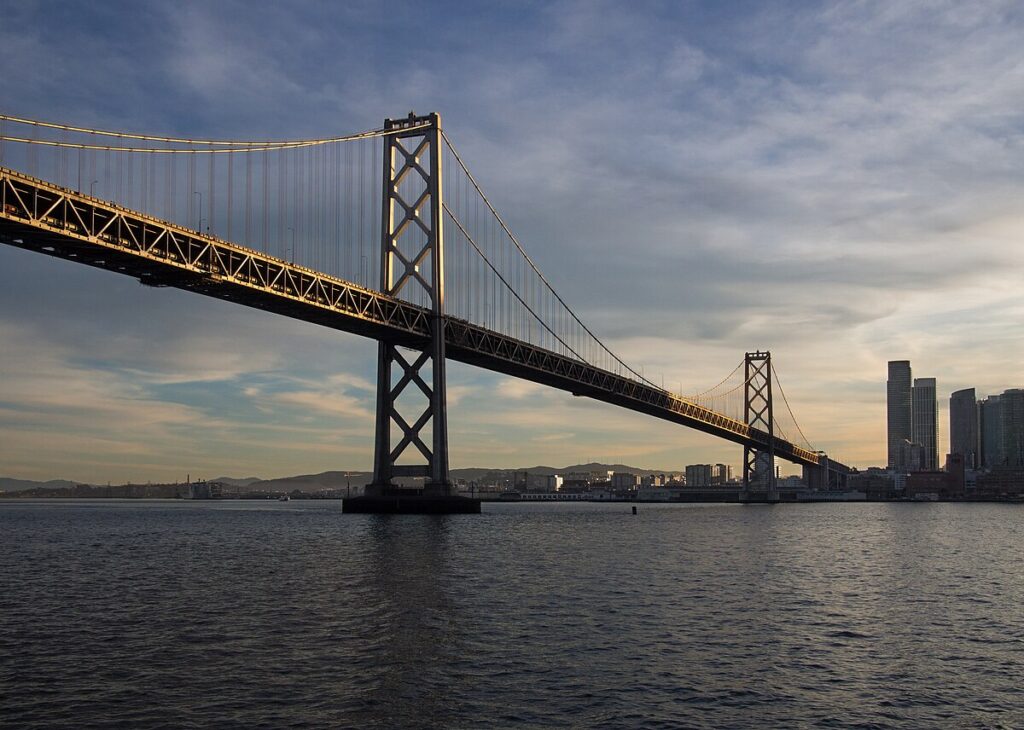
Yokohama Bay Bridge (Yokohama City, Kanagawa Prefecture)
Overview (History, Features, and Attractions) Yokohama Bay Bridge is an iconic bridge spanning the waters of Yokohama Port, its graceful cable-stayed silhouette making it a landmark. It was constructed as part of the Shuto Expressway Bayshore Route, with the aims of streamlining port logistics and improving the cityscape. -
Hida Great Limestone Cave (Takayama City, Gifu Prefecture)
Hida Great Limestone Cave (Takayama City, Gifu Prefecture) Overview (History, Features, and Attractions) Hida Great Limestone Cave is a large, naturally formed limestone cave in Takayama City, Gifu Prefecture, that has been renovated for tourism. The cave's attractions include the diverse stalactites formed by the erosion of limestone over many years, as well as the quietness and cool air inside. Cave...