Tourist attractions--archive--
-

Kurobe Dam (Kurobe City, Toyama Prefecture)
Overview (History, Features, and Attractions) Kurobe Dam is one of Japan's largest arch concrete dams, located in Kurobe City, Toyama Prefecture. Approximately 186 meters high, construction began in 1956 (Showa 31) and was completed in 1963 (Showa 38) with the aim of generating electricity using meltwater from the Tateyama mountain range. -
Hideyo Noguchi Memorial Hall (Aizuwakamatsu City, Fukushima Prefecture)
Hideyo Noguchi Memorial Museum (Aizuwakamatsu City, Fukushima Prefecture) Overview (History, Features, and Attractions) The Hideyo Noguchi Memorial Museum is a facility showcasing the life and achievements of bacteriologist Hideyo Noguchi (1876–1928). Noguchi was a world-renowned medical scientist born in Inawashiro Town, Fukushima Prefecture, and is known for his research on infectious diseases such as yellow fever.... -
Itako Iris Garden (Itako City, Ibaraki Prefecture)
Overview (History, Features, and Attractions) Itako Iris Garden (Itako City) is a famous spot for irises (irises) located in the waterside region of Ibaraki Prefecture. Colorful irises are planted in the garden, which makes the most of its waterfront location, and are usually at their best from late May to June. The garden boasts a wide wetland, walking trails, and a traditional atmosphere... -
Irabu Bridge (Miyakojima City, Okinawa Prefecture)
Irabu Bridge (Miyakojima City, Okinawa Prefecture) Overview (History, Features, and Attractions) The Irabu Bridge, located in Miyakojima City, Okinawa Prefecture, connects Miyakojima (Hirara) and Irabujima. It opened on January 31, 2015. At approximately 3,540 meters in length, it is known as one of the longest toll-free bridges in Japan... -
Shin-Yokohama Ramen Museum (Kohoku Ward, Yokohama City, Kanagawa Prefecture)
Overview (History, Features, and Appeal) The Shin-Yokohama Ramen Museum is a ramen-themed food museum that opened in 1994. The museum recreates the streets of the Showa era, and famous ramen restaurants from all over Japan (and sometimes overseas) are set up in the museum, allowing visitors to enjoy ramen history exhibits and food culture. -
Hexagonal Hall (Nakagyo Ward, Kyoto City, Kyoto Prefecture)
Overview (History, Features, and Attractions) Rokkakudo (Chohoji Temple) is an ancient temple quietly nestled in the urban area of Nakagyo Ward, Kyoto City, and is affectionately known as "Rokkakudo." Its distinctive hexagonal main hall is located in a corner of the city that still retains the landscape of the Muromachi period and beyond. There are many legends about its founding... -
Kawaji Onsen (Nikko City, Tochigi Prefecture)
Kawaji Onsen (Nikko City, Tochigi Prefecture) Overview (History, Features, and Attractions) Kawaji Onsen is a quiet hot spring resort located upstream of the Kinugawa River, with inns and lodgings scattered along the mountain stream. It has been popular as a therapeutic hot spring resort since the Edo and Meiji periods, and was developed as a tourist destination after the war. The hot spring town is surrounded by nature and features a... -
Yabakei (Nakatsu City, Oita Prefecture)
Overview (History, Features, and Attractions) Yabakei is a scenic valley located in Nakatsu City, Oita Prefecture. Its natural landscape, comprised of cliffs, oddly shaped rock formations, and deep, beautiful valleys, is captivating. Characterized by columnar joints and rock walls formed by volcanic activity and years of river erosion, the landscape changes with the seasons, particularly with the fresh greenery and autumn foliage. -
Futami Okitama Shrine (Ise City, Mie Prefecture)
Overview (History, Features, and Attractions) Futami Okitama Shrine is an ancient shrine located in Futami-cho, Ise City, Mie Prefecture. It has long been a place of worship related to the sea and sunrise. Known as a place for purification rituals before visiting Ise Grand Shrine, the shrine's location overlooking the sea and its beautiful view of the ocean on the opposite shore... -
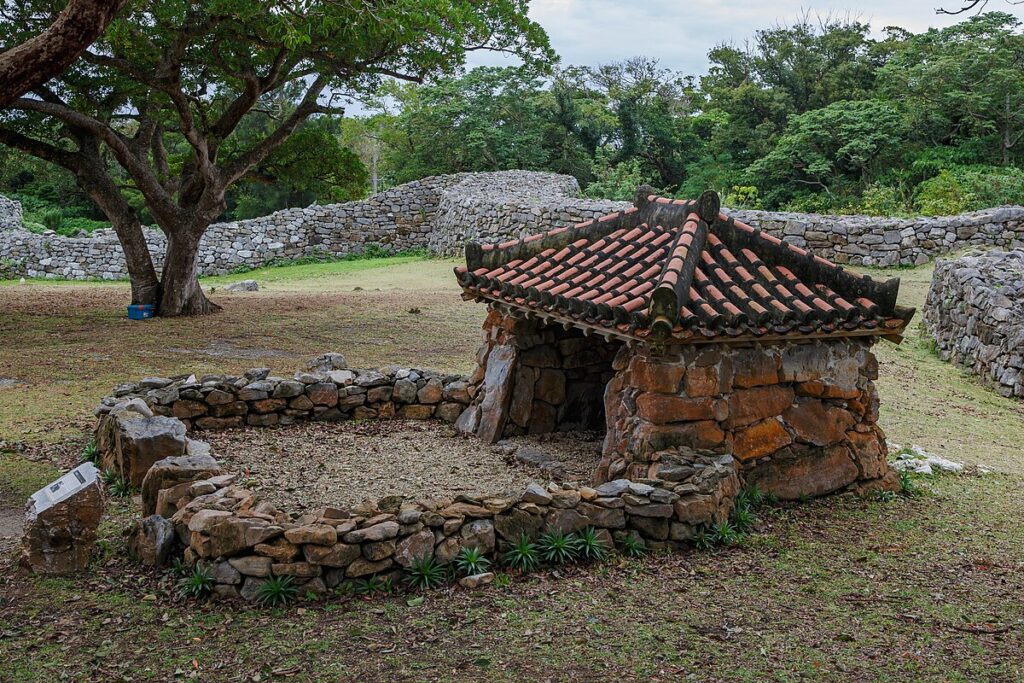
Nakijin Castle Ruins (Nakijin Village, Okinawa Prefecture)
Overview (History, Features, and Attractions) Nakijin Castle Ruins is a castle (gusuku) from the Ryukyu Kingdom era located in Nakijin Village in the northern part of Okinawa's main island. Believed to have been built around the 14th century, it once played an important role as the base of the Hokuzan King. Made of piled coral limestone...