Overview (history, characteristics, attractions)
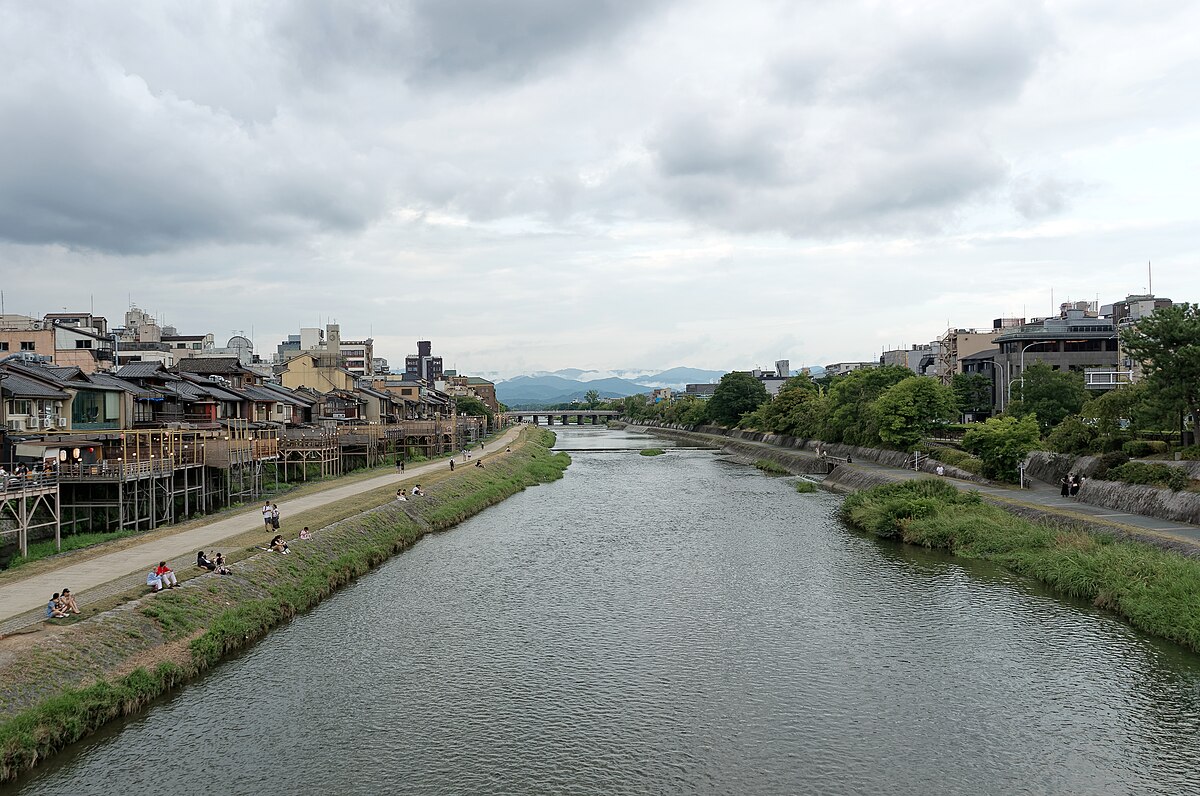
The Kamogawa River is a representative river that flows north to south through Kyoto City, and has long been a landscape closely linked to Kyoto life and culture. Since the Heian period, it has frequently appeared in poetry and stories as a waterfront that brought moisture to the capital, and scenes of people sitting on the riverbank have become a Kyoto tradition. The riverbed is lined with promenades and rows of cherry trees, allowing you to enjoy the changing scenery of the seasons (cherry blossoms, greenery, autumn leaves, and snowscapes). In addition, the "noryo-yuka" (cosy terraces) at the restaurants and izakayas that line the river are a summertime tradition. The Kamogawa River is a place of relaxation for local residents, and is also popular for a variety of purposes, including strolling, jogging, photography, and bird watching.
Highlights
- Scenery around Sanjo Bridge and Shijo: A representative spot where you can enjoy the atmosphere of the Kamo River that flows through the city. The view of the riverbank from the bridge is photogenic.
- Demachiyanagi/Demachibashi (Around Demachiyanagi and Demachibashi)Demachiyanagi, where the Kamo River, Takano River, and Kamo River meet, is attractive for its flowing river and the surrounding old townscape.
- Kamogawa Delta and Demachi Delta: A place where you can go down to the riverbank and relax, where local young people and tourists can come and relax.
- Night view of Pontocho and GionThe narrow alleys, izakayas, and riverside lights along the Kamo River create a Kyoto-like atmosphere.
- Cherry blossom and autumn foliage seasonThe cherry blossom trees lining the riverbank and the surrounding trees change color in the season when they are particularly beautiful and the area is bustling with people enjoying cherry blossom viewing.
- Bird and nature observation: Depending on the season, you can see a variety of birds, including herons and ducks. Early mornings are quiet and ideal for bird watching.
Access (nearest station, transportation, etc.)
- Major access points: Accessible by bus or on foot from Keihan Electric Railway's Gion-Shijo Station, Sanjo Station, and Demachiyanagi Station, Hankyu Railway's Kawaramachi Station, and JR Kyoto Station.
- To Gion-Shijo and Pontocho: A short walk from Keihan Gion-Shijo Station. Also within walking distance of Hankyu Kawaramachi Station.
- To Demachiyanagi (junction): The nearest station is Keihan Demachiyanagi Station, which is also the junction with Eizan Electric Railway (Demachiyanagi Station).
- From Kyoto Station: Approximately 15-25 minutes by city bus (depending on the route) or taxi (varies depending on destination and time of day).
- It's also convenient to explore by bicycle: The riverside is easy to ride and is a great place to visit multiple spots by bicycle (please be mindful of bicycle parking etiquette).
Estimated stay (estimated time required)
- Short walk: 30 minutes to 1 hour (just walking around the bridge and some sections to look at it).
- Leisurely stroll + photography: 1-2 hours (including breaks on the riverbank, cafes and meals).
- Combine with sightseeing in the surrounding area: Half a day to a full day (when combining sightseeing in the surrounding area such as Gion, Pontocho, and Kiyomizu-dera Temple).
Nearby spots
- Gion Hanamikoji: An area with traditional streetscapes and maiko (apprentice geisha) (just a short walk from the Kamo River).
- Pontocho: A narrow street lined with restaurants along the Kamo River. The nightlife is charming.
- Yasaka Shrine (Gion Shrine): The central shrine of the Gion area. Famous for New Year's visits and festivals.
- Kiyomizu-dera Temple: Accessible on foot or by bus from the Kamo River. A popular tourist spot.
- Philosopher's Path, Nanzenji Temple, Eikando Temple: Located slightly to the northeast, this spot is easy to combine with a stroll along the Kamo River.
- Nishiki Market and Shijo Kawaramachi: Shopping and eating spots (within walking distance of the Kamo River).
Things to be aware of (crowds, manners, seasonal precautions, etc.)
- congestion:It gets very crowded during cherry blossom season, autumn foliage season, the New Year's holiday period, and long weekends. Please be especially careful to reserve a spot and not get in the way of pedestrians during cherry blossom viewing season on the riverbank.
- How to spend time on the riverbank:Many areas prohibit holding a spot for a long time, using loud speakers, and barbecuing or open fires. Please be sure to follow these rules. Be sure to take any trash you produce home with you.
- Noryo-yuka (river deck):Many of the seating areas set up along the river in the summer are restaurants that require reservations and a fee, so please be aware that you cannot sit there without permission.
- Safety:Riverbanks can be dangerous when it rains or when the river is flooded. Do not enter during typhoons or heavy rain. The stones and slopes on the riverbank are slippery, so be careful where you step.
- Nighttime etiquette:Noise and drinking in the street late at night may cause a nuisance to neighboring residents. Please be mindful of your behavior.
- Wildlife:Please refrain from feeding birds and other animals (as this can have an impact on the ecosystem and your health).
- Seasonal precautions:In summer, you need to take precautions against mosquitoes and heat, and in winter, cold winds. It can get chilly in the early mornings.
Kamogawa River is a place where you can feel the life and history of Kyoto. The scenery changes dramatically depending on the time of day and the season, so try strolling along it in the morning, afternoon, or evening depending on your purpose.