Aokigahara Jukai (Fujikawaguchiko Town, Yamanashi Prefecture)
Overview (history, characteristics, attractions)
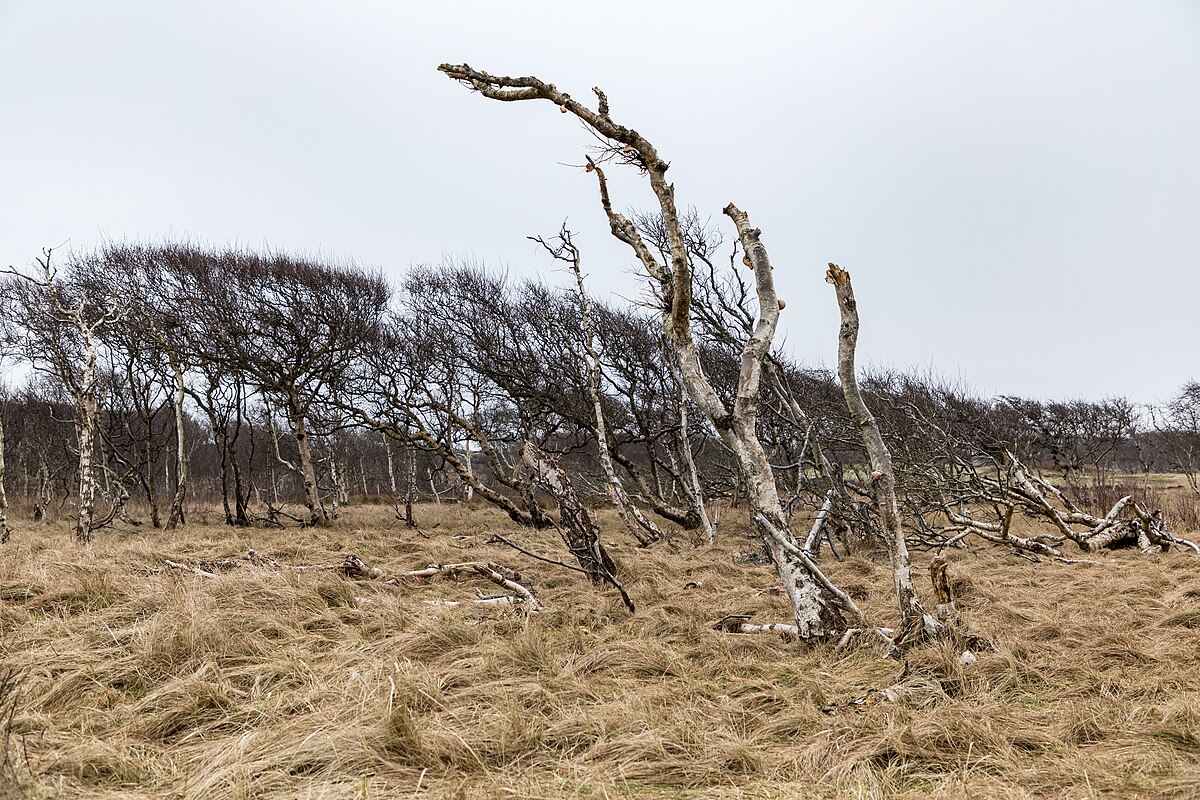
Aokigahara Jukai is a vast primeval forest that stretches across the northwestern foot of Mount Fuji, also known as "Jukai" (Sea of Trees). The terrain formed on top of lava flows that occurred around 864 (the Jogan eruption), and the surface climate and vegetation are unique due to the cold and air that escapes through gaps in the lava. Characterized by a dense forest mix of conifers and broad-leaved trees and a tranquil atmosphere, the area is also popular as a natural observation spot, with lava caves (wind caves and ice caves) and an abundance of mosses and lichens.
Highlights
- Aokigahara Nature Observation Trail: There is a well-maintained walking trail (loop) that is easy to walk even for first-time visitors. You can observe the forest atmosphere, moss, and the roots of the trees.
- Lava caves (Fugaku Wind Cave, Narusawa Ice Cave, etc.): These nearby lava tunnels are kept cool throughout the year. You can enjoy the ice and the unique atmosphere (there is a fee to visit and safety measures are in place).
- Geological observation of lava and volcanic landforms: Learn about the surface and cracks of lava flows, and traces of eruptions left on the surface of rocks.
- Observing wild birds, insects, and moss: The forest is quiet, so you can feel the breath of the creatures. The creatures you can see change with the seasons.
- Silence and scenery: Experience the silence of the vast forest and the unique atmosphere at the foot of Mount Fuji.
Access (nearest station, transportation, etc.)
- The nearest public transport hub is Fujikyu Railway's Kawaguchiko Station (Lake Kawaguchi) or Mt. Fuji Station (formerly Fujiyoshida direction).
- Bus: You can access nearby tourist spots (towards the Wind Cave and Ice Cave) by Fujikyu Bus from Kawaguchiko Station or near Fuji-Q Highland. Routes and frequency of buses vary depending on the season, so it is recommended to check in advance.
- By car: Access via the Chuo Expressway Kawaguchiko IC or the Higashi-Fuji Five Lakes Road. Parking is available at each entrance and at nearby facilities (fees may apply).
- Taxi: Approximately 15-30 minutes by taxi from Kawaguchiko Station (varies depending on destination).
- Estimated travel time from Tokyo: Approximately 2 hours by highway bus, or 2-2.5 hours by train (Shinjuku → Otsuki → Fujikyu). Travel time to the site varies depending on the departure point.
Estimated stay (estimated time required)
- Nature observation trail (short loop): Approx. 30 minutes to 1 hour
- Course including nature observation and lava cave (wind cave and ice cave) visit: Half day (3-4 hours)
- If you want to take your time to explore the surrounding lakes and museums, etc.: 1 day (all day)
Nearby spots
- Lake Kawaguchi (one of the Fuji Five Lakes) — Enjoy lakeside strolls, sightseeing boat rides, and views of Mount Fuji.
- Fugaku Wind Cave and Narusawa Ice Cave — two of the most famous lava caves with well-equipped viewing facilities.
- Other Fuji Five Lakes, including Lake Saiko and Lake Shojiko - Abundant nature and scenery.
- Saiko Iyashinosato Nemba - A restored traditional village and walking spot.
- Fuji-Q Highland — Amusement park (for families and attractions).
- Oshino Hakkai - A pure spring-fed pond and the atmosphere of an old village.
Things to be aware of (crowds, manners, seasonal precautions, etc.)
- Safety first: It is easy to get lost in some areas of the Sea of Trees, so be sure to walk on well-maintained trails and avoid venturing deep into the forest alone. There are also places where you may lose mobile phone signal.
- Lava cave tours: The inside of the cave is dark and slippery in places. Please stick to the designated tour paths and follow the instructions of each facility for helmets, warm clothing, and footwear.
- Manners and consideration: Aokigahara is a place where consideration must be given to nature conservation and local circumstances. Please be sure to take your trash with you and avoid damaging the vegetation, flora, and fauna. Please be considerate of your surroundings when taking photographs.
- Social and emotional considerations: Aokigahara is known as a socially sensitive area. When visiting, please be considerate of the feelings of individuals and the local community, and avoid inappropriate behavior or thoughtless remarks. If you notice any signs of an emergency in your surroundings, do not hesitate to call 110 (police) or 119 (ambulance/fire).
- Weather and clothing: The forest has a lot of shade, so it can be chilly even in summer. Conversely, in winter, there is snow and ice, so you'll need warm clothing and non-slip shoes. Don't forget to bring insect repellent, a hat, and plenty of water.
- Crowds: The nearby caves and lakeside areas can get crowded during peak tourist seasons and on weekends. It's a good idea to check the parking and bus schedules in advance.
- Drones and flying equipment: In order to protect the natural environment and to prevent disturbance to other visitors, the use of drones and other equipment may be restricted. Please check the rules in advance.
While Aokigahara Jukai is a place where you can enjoy nature observation and quiet walks through the forest, it is also a place where you need to be mindful of safety and etiquette. Please check access and opening hours in advance, stick to the route, and enjoy yourself while respecting nature.