Ginza (Chuo Ward, Tokyo) — Overview (History, Features, and Attractions)
Ginza, located in Tokyo's Chuo Ward, is Japan's leading commercial and luxury brand district. During the Edo period, it was reclaimed land by the sea, and after the great fire of 1872, it was modernized as "Ginza Brick Town," with Western-style streetscapes and commercial facilities being developed. After the war, it became a cultural and commercial center with a concentration of high-end boutiques, department stores, long-established Japanese and Western confectionery shops, long-established sushi restaurants, galleries, and theaters (including the Kabukiza Theater).
In addition to being known as a "luxury shopping district," it is characterized by a concentration of flagship stores, nighttime illuminations, an abundance of sophisticated cafes and restaurants, and the fact that Chuo-dori becomes a pedestrian zone on weekends. It also has a strong international flavor, making it a lively area where tourists, business people, and locals mingle.
Highlights
- Wako (Wako Building and Clock Tower) — A symbolic building at the Ginza 4-Chome intersection. The area in front of the clock tower is a great spot for taking commemorative photos.
- GINZA SIX — A large commercial complex with brand shops, restaurants, a rooftop garden, art exhibitions, and more.
- Matsuya Ginza / Ginza Mitsukoshi — A historic department store with popular basement floors and events.
- Ginza Corridor Street and Sukiyabashi area — A nighttime dining district with many bars and small restaurants.
- Sony Park and UNIQLO Ginza — Modern flagship stores and experiential venues.
- Kabukiza (Higashi Ginza) — Traditional performing arts, Kabuki, are performed here. We also recommend viewing the exterior and interior tours, as well as the restaurants in the adjacent Kabukiza Tower.
- Gallery and Art Gallery District — There are many art galleries and craft shops where you can enjoy exhibitions.
- Weekend pedestrian zone (Hokoten) — On Sunday and public holiday afternoons, Chuo-dori is open to pedestrians only, allowing you to take a leisurely stroll.
Access (nearest station, transportation, etc.)
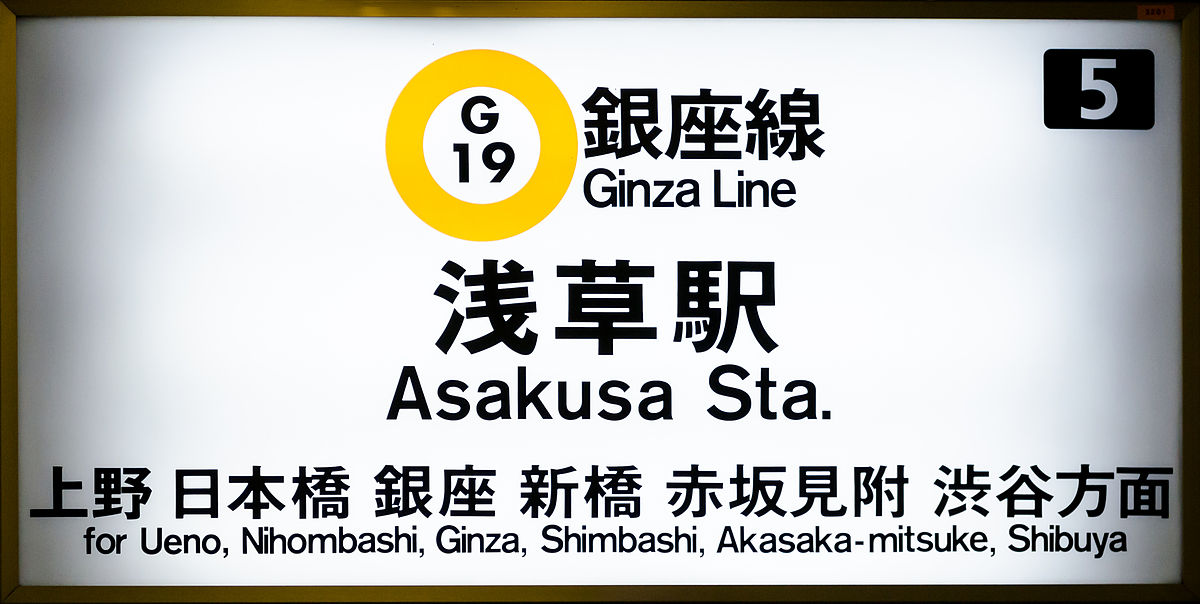
- Tokyo Metro Ginza Station(Ginza Line, Marunouchi Line, Hibiya Line) — Closest to central Ginza. Exits A2 and A3 are convenient.
- Tokyo Metro Ginza 1-Chome Station(Yurakucho Line) - Access to the north side of Ginza.
- Tokyo Metro Higashi-Ginza Station(Asakusa Line/Hibiya Line) - Close to Kabukiza.
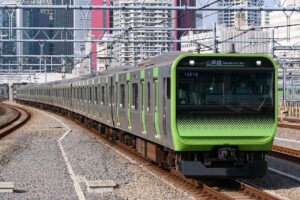
- JR Yurakucho Station(Yamanote Line/Keihin-Tohoku Line) — West entrance to Ginza. Nearby is Sukiyabashi Bridge and Itocia.
- JR Shimbashi Station(Yamanote Line, Keihin-Tohoku Line, etc.) — Access to the south side of Ginza. About a 10-15 minute walk.
- Accessible from Haneda Airport or Narita Airport by limousine bus, or by taking the Airport Line and transferring to the Tokyo Metro. As it is located in the city center, public transportation is the most convenient.
Estimated stay (estimated time required)
- Quick look (mainly exteriors and photos of major spots): 1-2 hours
- Walking around including shopping and cafe visits: 3 to 5 hours
- If you plan to spend a leisurely time shopping, eating, watching Kabuki, etc.: Half a day to a full day
Nearby spots
- Tsukiji Outer Market — 15-20 minute walk (great for fresh seafood and food on the go).
- Hibiya Park and Hibiya Chanter — It is also used as a strolling spot and a concert venue.
- Hamarikyu Gardens — A leisurely stroll through the Japanese garden (seaside garden, near Tsukiji).
- Nihonbashi/Kyobashi area — Old commercial areas, art museums, and traditional craft shops.
- Tokyo International Forum (Yurakucho) — Exhibition and event venues.
Things to be aware of (crowds, manners, seasonal precautions, etc.)
- congestion:It gets very crowded on weekends, holidays, the New Year holidays, and during sales. On weekends, the pedestrian zone is car-free and easy to walk around, but it gets crowded with tourists.
- Store etiquette:There are some areas in luxury stores and department stores where photography is prohibited. Please be quiet while in the store and check with the staff before touching any products.
- Restaurant:Popular restaurants often require reservations, so there will be long lines. If you go early for lunch, you can shorten the wait time.
- smoking:There are many areas in Tokyo where smoking is prohibited on the streets, so please smoke in designated areas. Please observe good manners.
- Price range:There are many high-end stores, so dining and shopping can be expensive. Choose a store according to your budget.
- access:There are several stations close to each other, but the nearest exit will vary depending on your destination. It is convenient to check the station map and exit numbers in advance.
- Barrier-free:Many large department stores and commercial facilities are equipped with elevators and accessible restrooms, but there may be steps in alleys and older buildings.
- Seasonal Notes:It gets especially crowded during the year-end illuminations and Christmas season. In the summer, be sure to take precautions against the sun by walking outdoors.
(Additional Information) Ginza is an area where you can enjoy seeing, shopping, eating, and experiencing culture all in one place. For a comfortable stay, check the stations, exits, and opening hours according to your purpose before visiting.