Overview (history, characteristics, attractions)
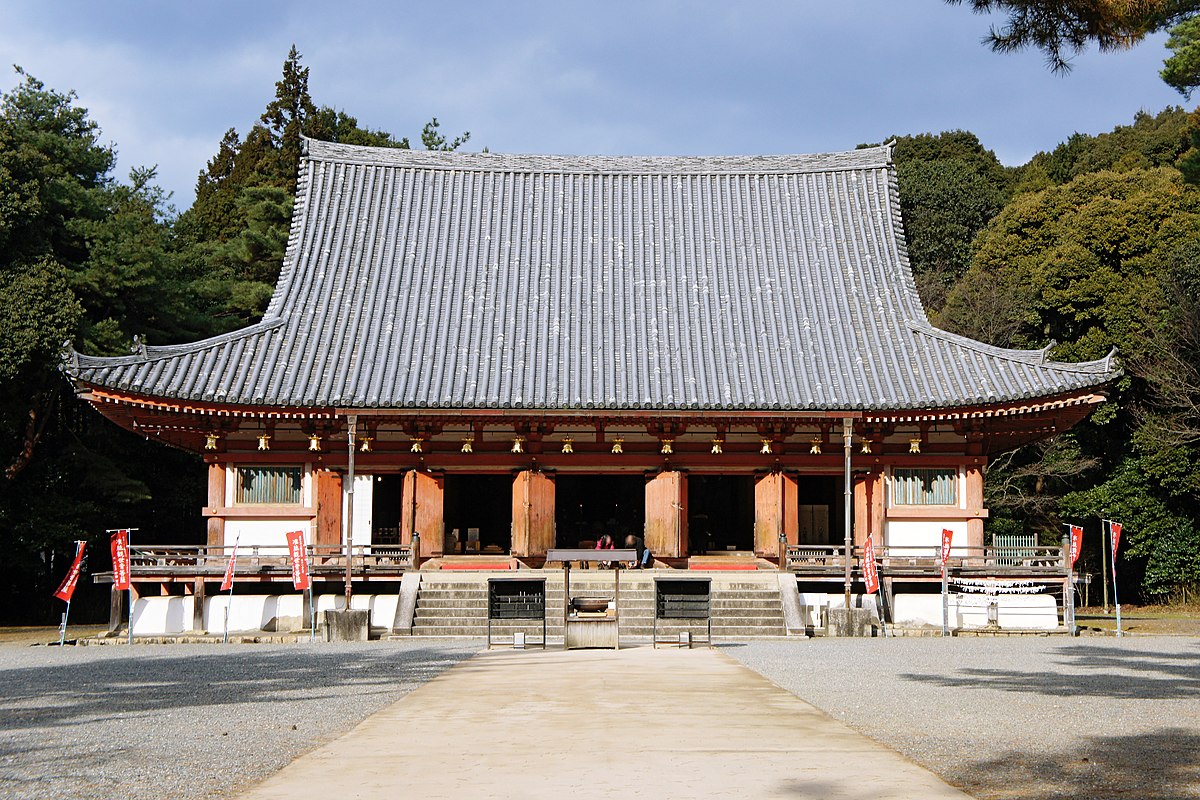
Daigoji Temple, located in Fushimi Ward, Kyoto City, is the head temple of the Daigo school of Shingon Buddhism. It is a historic temple said to have been founded in 874 (the 16th year of the Jogan era). The vast grounds, which extend entirely into the forest, are divided into "Shimo Daigo" (the village temple) and "Kami Daigo" (the mountaintop inner sanctuary). The temple is home to numerous cultural assets, including buildings dating back to the Heian and Kamakura periods, famous gardens, Buddhist statues, and paintings. It is also famous as a cherry blossom viewing spot, known for its five-story pagoda (built in 951, one of the oldest wooden five-story pagodas in Kyoto Prefecture), the gardens of Sanboin Temple, and the "Daigo Cherry Blossom Viewing Event" (1598), organized by Hideyoshi. In 1994, it was registered as a World Heritage Site as part of the "Historic Monuments of Ancient Kyoto."
Highlights
– Five-story pagoda (a historical building with national treasure-level value)
- Sanboin (Garden and Reception Hall): The strolling garden with its pond is beautiful in all seasons, especially from spring to autumn. The interior shoin and sliding screen paintings are also worth seeing (there is a separate fee and time slots for admission).
- Shimo-Daigo Garan Group: You can tour the main temple buildings such as the Kondo and Niomon Gate, and experience the atmosphere from the Heian period.
- Kami-Daigo (Okunoin): A group of historical sites at the top of a mountain path. The scenery and the majestic atmosphere in the mountains are appealing (time and physical strength required).
- Seasonal flowers and trees: Spring cherry blossoms (famous for the cherry blossom viewing in Daigo), autumn leaves are especially popular. Fresh greenery and snow scenery are also beautiful.
- Cultural property exhibition: The museum has many important cultural properties and national treasures, including Buddhist statues, paintings, and crafts, and occasionally holds exhibitions and special public exhibitions.
Access (nearest station, transportation, etc.)
- Nearest station: The most convenient station is Daigo Station on the Kyoto Municipal Subway Tozai Line.
From Daigo Station: It takes about 15 to 20 minutes to walk to Shimo-Daigo (garan and Sanboin temple). You can also take a bus or taxi from the station.
- From Kyoto Station: Approximately 30 to 50 minutes by subway, bus, and taxi. Travel time may be longer during peak hours.
- By car: There is a paid parking lot near the temple grounds, but it tends to fill up during the cherry blossom season in spring and the autumn foliage season in autumn, so we recommend using public transportation.
– Note: Shimo-Daigo is easily accessible by public transport, but Kami-Daigo requires hiking (mountain trails). Buses to Kami-Daigo are limited, so be sure to check the route in advance.
Estimated stay (estimated time required)
- Shimo-Daigo (mainly the temple complex, Sanboin Temple, and five-story pagoda): Approximately 1.5 to 2 hours (more than 2 hours if you take your time)
- Kami-Daigo (if climbing to the top of the mountain): Approximately 1.5 to 3 hours additional time, including the round trip (depending on stamina and pace)
– It may take half a day to a full day (3-6 hours) to explore the entire area. If you want to see seasonal exhibits or special exhibitions, allow more time.
Nearby spots
– Fushimi Momoyama and Fushimi sake brewery area (tours of sake breweries such as Tsuki no Katsura and Gekkeikan)
– Momoyama Mausoleum Area and Fushimi Momoyama Castle Park (Fushimi Momoyama Castle)
- Uji/Byodoin area (slightly south, accessible by car or train)
– Fushimi Inari Taisha Shrine (a bit far away, but a major tourist spot in the Fushimi area)
– You can also get to central Kyoto (Gion, Kiyomizu-dera, etc.) using public transportation, so it’s convenient to combine a visit to Daigo-ji Temple with sightseeing in the city.
Things to be aware of (crowds, manners, seasonal precautions, etc.)
- Crowds: It gets very crowded during the cherry blossom season (late March to early April) and autumn foliage season (November). There may be long lines or restrictions on entry, especially during special viewing periods or illuminations at Sanboin Temple. We recommend visiting early in the morning or on a weekday.
- Admission fees and opening times: Sanboin Temple, Kami-Daigo Temple, and other temples often have different admission fees and opening times, and there are also special seasonal openings. Please check the latest information, fees, opening times, and opening times on their official websites and tourist information before visiting.
– Kami-Daigo has many mountain paths and stone steps, and some areas have poor footing. Please bring comfortable walking shoes, drinks, and warm clothing. It is difficult to visit Kami-Daigo in a wheelchair or with a stroller.
- Photography: While photography is permitted in many areas outdoors and within the temple grounds, photography may be prohibited inside temple buildings and important cultural properties. Please follow the instructions of the signs and staff.
- Manners: Please worship quietly and only eat and drink in designated areas. Do not touch Buddhist statues or buildings. Take your trash home or dispose of it in designated areas. The use of drones, etc. is prohibited in principle.
- Payment and Facilities: Most temples prioritize cash for payments (some places do not accept credit cards or electronic payments). Toilets are available on the Shimo-Daigo side, but are limited to the Kami-Daigo side, so it is best to use them in advance.
(Additional Information) Before visiting, please check the official Daigoji Temple website or tourist information for the latest information on viewing, special opening days, transportation information, temporary closures, etc. to ensure a safe and comfortable visit.