Overview (history, characteristics, attractions)
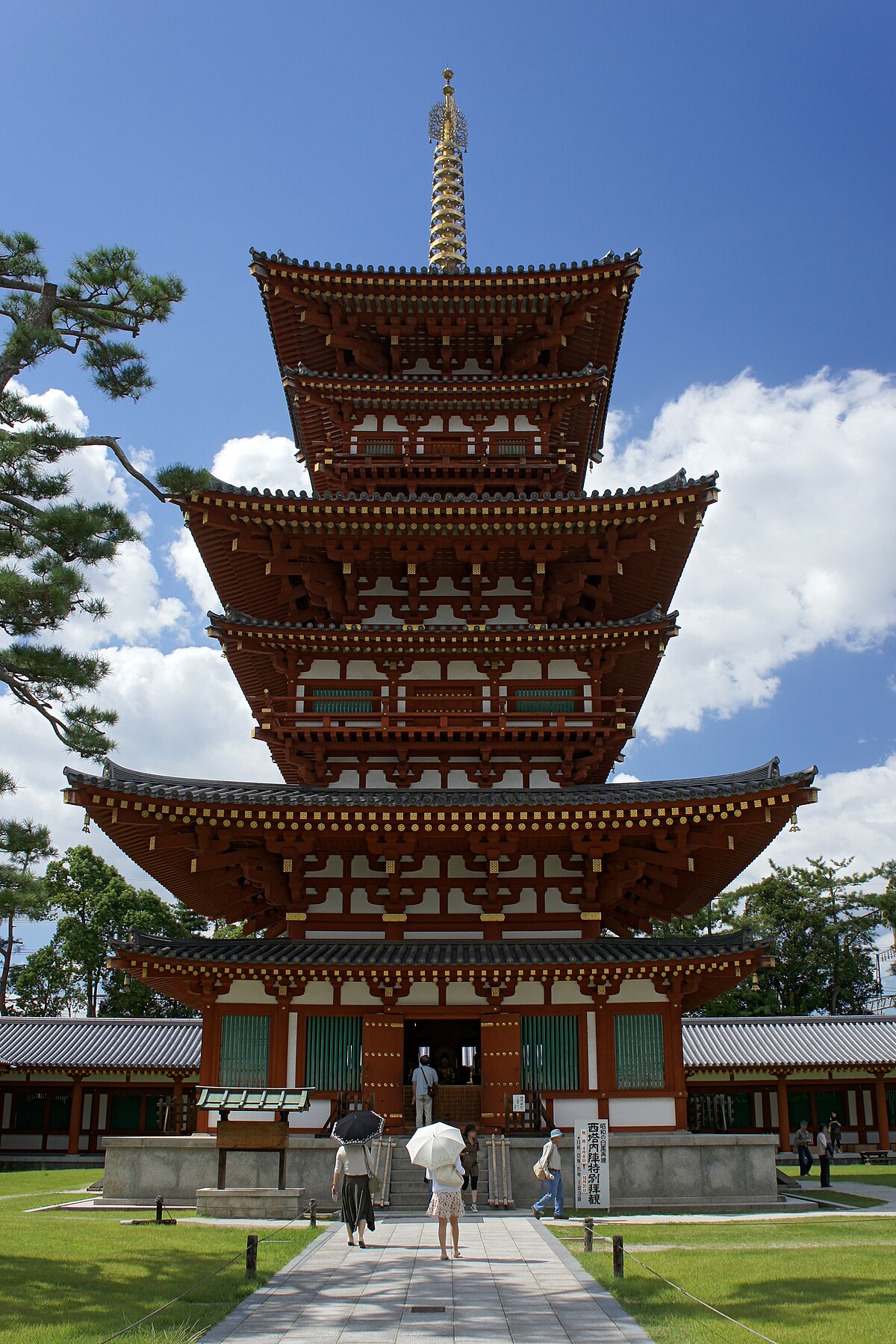
Yakushiji Temple is an ancient temple in Nara City, Nara Prefecture, with origins dating back to the end of the 7th century (tradition says it was founded around 680 at the request of Emperor Tenmu). It is a representative temple that still preserves the temple layout and architectural style of the Nara period, and is known for its belief in "prayer for recovery from illness and good health," with Yakushi Nyorai as its principal deity. Highlights include the Buddhist statues and architecture that have been passed down from the Nara period, such as the arrangement of the twin east and west pagodas within the temple grounds and the Yakushi Triad in the Kondo (main hall).
Yakushiji Temple is also part of the World Heritage Site (Historic Monuments of Ancient Nara), which makes up the "Cultural Assets of Ancient Nara," and is an important spot for learning about Japanese and Buddhist history. Seasonal events such as cherry blossoms in spring, autumn leaves, and illuminations are also part of its charm.
Highlights
- Kondo (Main Hall) and Yakushi TriadThe Yakushi Triad, centered around the principal image of Yakushi Nyorai, is the heart of the temple, and allows visitors to directly experience the beauty of the Buddha's form and the faith of the time. The solemn atmosphere inside the hall is impressive when viewing.
- East and West Towers (twin tower arrangement)The rows of towers rising from east to west are a symbolic sight of Yakushiji Temple. They are a valuable example of the layout of the ancient temple buildings.
- Temple buildings including lecture halls and corridors: The buildings have been restored and preserved, but still retain their traditional appearance, making it worth a stroll around.
- Treasure Museum and Exhibitions: A facility that stores and exhibits Buddhist art and temple treasures, where you can get a close-up look at the details of Buddhist statues and crafts (special exhibitions are sometimes held).
- Gardens and seasonal sceneryThe plants in the temple grounds change with the seasons, making them a particularly beautiful photo spot during the cherry blossom and autumn foliage seasons.
- Special viewings and events: There are annual events, special openings, and nighttime illuminations, giving you the opportunity to see the interior of the hall and Buddhist statues that are not normally open to the public.
Access (nearest station, transportation, etc.)
- Location: Nara City, Nara Prefecture (please check the official website for detailed address).
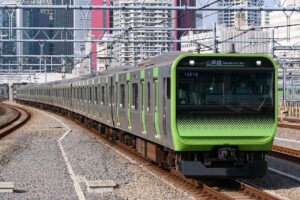
- Train + Walking: The nearest station is JR Nishinokyo Station, which is about a 10-15 minute walk from the station. It is one stop away from JR Nara Station (depending on the line and timetable).
- Bus: From JR/Kintetsu Nara Station, take the Nara Kotsu bus bound for Yakushiji or Nishinokyo. It takes about 10 to 20 minutes. The bus stop is just a few minutes' walk away.
- By car: Parking may be available (limited spaces). However, it may be full during peak hours, so we recommend using public transportation.
- Bicycles: Accessible by bicycle from the city center. There are often bicycle parking spaces in the area, but please be careful to prevent theft.
- Note: Traffic is congested during the tourist season, so we recommend leaving early. Please check the official website or transportation information for detailed timetables, routes, and parking information in advance.
Estimated stay (estimated time required)
- Light visit: 30-45 minutes (to see the main areas of the temple grounds)
- A leisurely tour: 1 to 1.5 hours (if you take your time to see the main hall, pagoda, treasure hall, etc.)
- If you are touring the surrounding temples as well: 2 to 4 hours (e.g., visiting Toshodaiji Temple as well)
Nearby spots
- Toshodaiji Temple: An ancient temple that is a World Heritage Site and is within walking distance of Yakushiji Temple. It is a temple associated with the monk Ganjin and has many attractions.
- Heijo Palace Ruins: The remains of a palace from the Nara period have been turned into a vast park, perfect for strolling and learning about history (easy to access by bus or bicycle).
- Nara city (Nara Park, Todaiji Temple, etc.): Although it is a little far, it can be combined with other major tourist attractions in Nara for a day trip.
- Stroll around Naramachi: This area is lined with old townscapes, cafes, and souvenir shops, making it a great place to stop by between temple tours.
Things to be aware of (crowds, manners, seasonal precautions, etc.)
- Check the visiting hours and fees: Visiting hours and admission fees may change depending on the season and events. Please check the official website or local information in advance.
- congestion: It gets crowded during spring (cherry blossoms), autumn (autumn leaves), long holidays, and the New Year holidays. If you want to take your time looking around, we recommend visiting on a weekday or early in the morning.
- photo shoot: There may be restrictions on taking photos inside the hall or of Buddhist statues. Please follow the signs indicating whether photography is permitted or not and the instructions of the staff.
- Dress Code and Manners: Temples are religious facilities. Please observe general etiquette for worshippers, such as remaining quiet, not shouting, and taking your trash with you. Please refrain from using flash when taking photos.
- Legroom/Barrier-free: The temple grounds have gravel paths and stairs in some areas. We recommend wearing comfortable shoes. Please check the wheelchair access information beforehand.
- Seasonal precautions: You will need to prepare for the heat in summer and the cold in winter. In case of rain, bring an umbrella or something to protect yourself from getting wet. Also, please be careful when choosing the time to visit as the cherry blossom and autumn foliage seasons are not only crowded but also pass by in a short period of time.
*Please be sure to check the official website or on-site information for the latest opening times, admission fees, special opening information, access changes, etc.