Overview (history, characteristics, attractions)
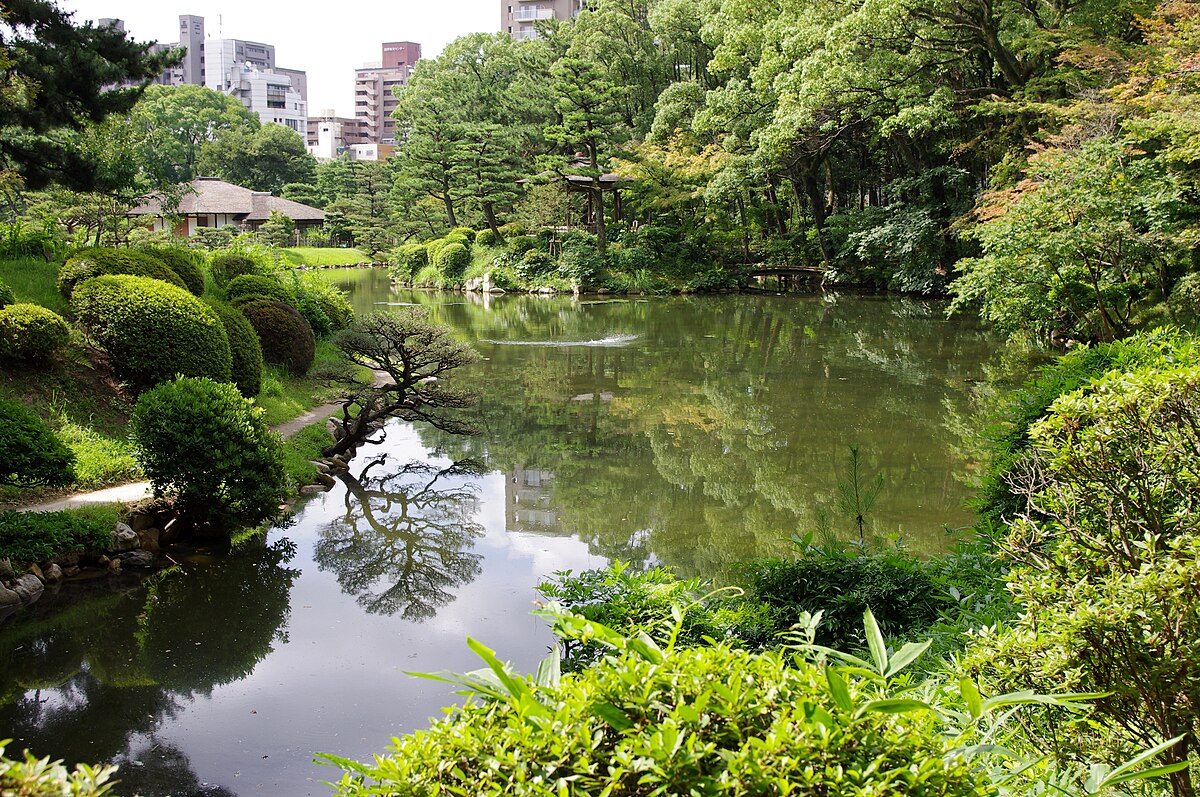
Shukkeien Garden is a traditional Japanese garden located in Naka Ward, Hiroshima City, and is said to have been created around 1620 by the tea master Ueda Soko and others at the behest of the Hiroshima Domain. It is a representative example of a strolling pond garden, and "shukkei" means "to shrink the scenery," meaning that the landscape of mountains, streams, islands, shorelines, and other scenery is reproduced in a reduced size within the garden.
The garden, which dates back to the Edo period, is known for its beautiful design and the changing of the seasons. Although it was damaged by the atomic bomb, it was restored after the war and is now a popular tourist spot for local residents and tourists. The garden's ponds, bridges, stonework, teahouses, and seasonal flowering trees (cherry blossoms, azaleas, irises, autumn leaves, etc.) create a fascinating landscape.
Highlights
- Pond and walking path: You can enjoy a variety of scenery while walking around the pond. The beautiful scenery reflected on the water's surface is also a great spot for taking photos.
- Bridges, islands, and stonework: Small bridges, islands, and skillfully arranged stonework condense and express the natural landscape.
- Teahouse and rest area: There is a teahouse and rest area within the garden where you can relax and enjoy the garden in peace (opening times vary depending on the season).
- Flowering trees of the four seasons:
- Spring: Cherry blossoms, camellias, and budding greenery.
- Early summer: Azaleas and irises are in full bloom.
- Autumn: The autumn leaves are reflected in the pond, creating a particularly beautiful sunset.
- Winter: The snowy scenery adds a touch of elegance.
- Historical background: This is a place where you can experience the landscaping techniques and garden design ideas of the Edo period, and its charm lies in the fact that scenery and history coexist.
Access (nearest station, transportation, etc.)
- Nearest tram stop: Hiroshima Electric Railway (streetcar) "Shukkeien-mae" tram stop is the nearest, and you can access the site immediately after getting off.
- From JR Hiroshima Station: Approximately 10 minutes by tram (depending on the line and stop), or approximately 20-25 minutes on foot.
- From central Hiroshima: Within walking distance of the Atomic Bomb Dome, Peace Memorial Park, and Hiroshima Castle (approximately 15-25 minutes on foot). A convenient location for stopping by between sightseeing.
- Access by car: There are paid parking lots in the area, but the number of spaces is limited, so we recommend using public transportation.
Estimated stay (estimated time required)
- Quick glance: 30-45 minutes
- A leisurely stroll, including photo opportunities and breaks: 1 hour to 1 hour 30 minutes
- If you want to visit the gardens and the nearby museums and castles: more than 2 hours
Nearby spots
- Hiroshima Castle: Within walking distance of Shukkeien Garden. You can explore both the castle and the garden.
- Hiroshima Prefectural Art Museum and Hiroshima City Museum of Contemporary Art: Convenient for combining your visit with art appreciation.
- Peace Memorial Park (Atomic Bomb Dome): A historic site accessible by car or on foot.
- Hondori Shopping Street/Okonomimura: Convenient for dining and shopping. You can also enjoy Hiroshima's famous okonomiyaki.
Things to be aware of (crowds, manners, seasonal precautions, etc.)
- Crowds: The park is crowded with visitors during cherry blossom season, the peak season for azaleas and irises, autumn foliage season, consecutive holidays, and weekends. If you want to enjoy the park in peace and quiet, weekday mornings are the best time to go.
- Manners: Please do not enter the plants, lawns, or shrubbery within the park. In principle, the use of fires and parties are prohibited outside of designated areas.
- Pets: Generally, there are restrictions on bringing pets into the park (with the exception of service dogs such as guide dogs). Please check the rules in advance.
- Photography: General photography is permitted, but the use of tripods and commercial photography may require prior application. There are also places within the building and tea room where photography is restricted, so please follow the signs.
- Footing and Barrier-Free Access: The garden paths are paved with cobblestones, narrow paths, and some have steps. They can be slippery after rain, so wear comfortable walking shoes. There are only a limited number of routes and facilities for wheelchair users, so it's a good idea to inquire in advance.
- Seasonal clothing: Prepare for the season, taking into account the temperature differences in the morning and evening in spring and autumn, rain gear in the rainy season, sun protection in summer, etc. In winter, take measures to protect yourself from the cold.
The opening status of facilities, events, admission fees, and opening hours within the park may change depending on the season and year. We recommend checking the official website or Hiroshima City information for the latest information before visiting.