
Overview (history, characteristics, attractions)
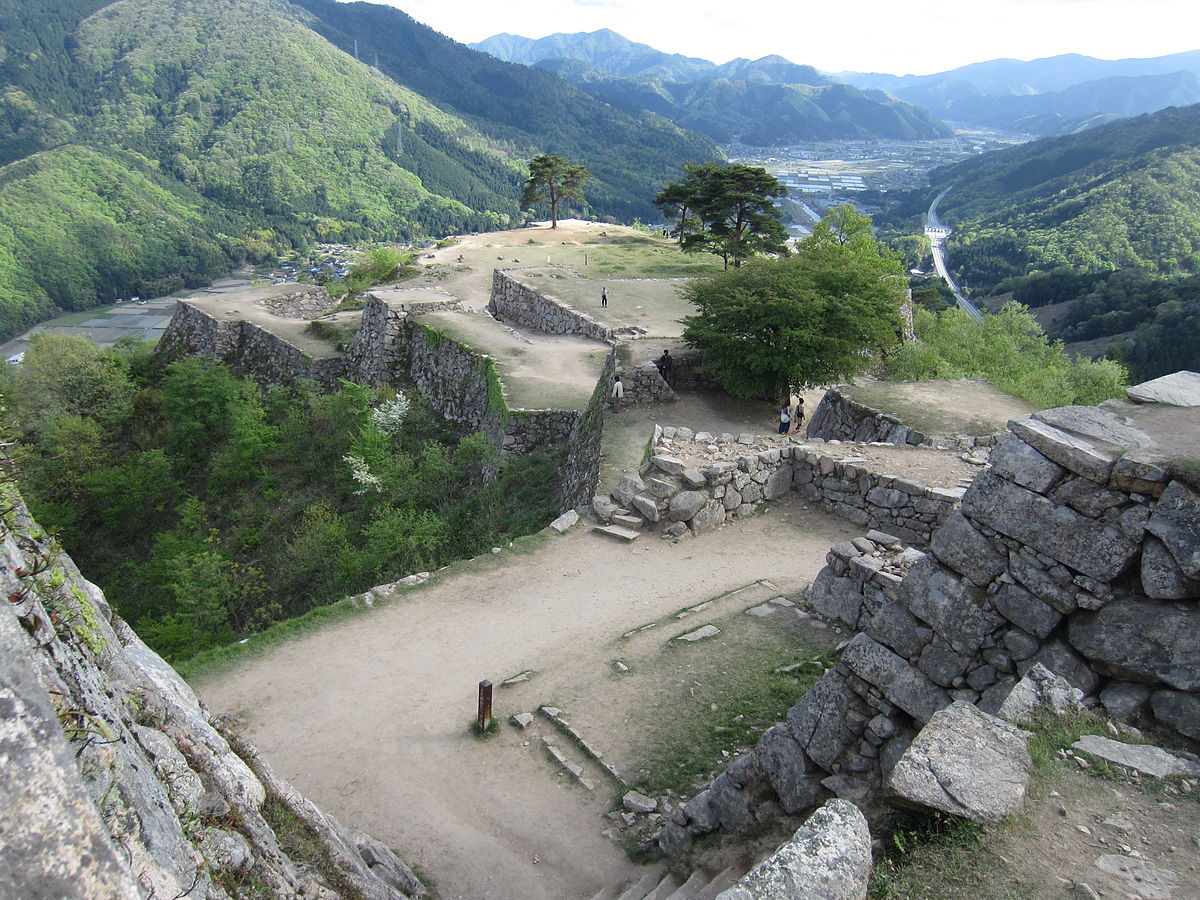
Takeda Castle Ruins (Asago City, Hyogo Prefecture) are the remains of a medieval mountain castle built on a mountain ridge. With its stone walls still in good condition, the castle is a popular tourist destination both in Japan and abroad, known as "Japan's Machu Picchu" and "Castle in the Sky." Construction of the castle dates back to the Muromachi period (15th century), and it served as an important base for the Tajima region. After being abandoned in the early Edo period, it remained as a ruin integrated into nature for many years, and in recent years, its fantastical view of the castle floating in a sea of clouds has attracted media attention, rapidly increasing its recognition as a tourist destination.
Highlights
- Stone walls and enclosures: The series of stone walls that run along the ridge are well preserved ruins, allowing you to get a real feel for the structure of the entire castle ruins.
- Sea of Clouds: When the conditions are right early in the morning, the castle ruins can be seen floating in a sea of clouds, creating a spectacular sight. This spectacular view is popular for photos and videos (its appearance depends on the weather).
- Sunrise and sunset: The sunrise and sunset times are also beautiful, and the sunrise in particular, combined with the sea of clouds, makes for an impressive sight.
- Observation point: From a high vantage point within the castle ruins, you can get a panoramic view of the Tajima Plain and enjoy the scenery of each season (cherry blossoms in spring, autumn leaves in autumn, frost in winter, etc.).
- The surrounding castle town atmosphere: The Taketa area is dotted with historical townscapes, souvenir shops, and museums.
Access (nearest station, transportation, etc.)
- Nearest station: Takeda Station on the JR Bantan Line.
- From the station: It takes about 50-60 minutes to walk from JR Takeda Station to the castle ruins entrance (such as the tourist base "Yamashiro-no-Sato") as it is a steep climb. There are periods and times when buses and shuttles operate, so it is recommended to check in advance. From Yamashiro-no-Sato, it is about a 20-30 minute walk to the castle ruins (there are slopes and stairs).
- By car: Access from the Wadayama Interchange on the Bantan Link Road or the national highway. Parking lots (fees may apply) are available at Yamashiro-no-Sato and nearby areas. Parking lots may fill up during peak seasons, so we recommend leaving early.
- Shuttle buses and special transportation: Special shuttle buses and traffic restrictions may be implemented during the sea of clouds season and peak tourist season. Please check the official website or local tourist information for the latest information.
Estimated stay (estimated time required)
- General sightseeing (climbing the castle and strolling around): Approximately 1-2 hours
- Taking photos and enjoying the scenery at your own pace: 2-3 hours
- If you want to see the sea of clouds or sunrise, leave late at night or early in the morning and allow 3-5 hours for the round trip (including travel time from your accommodation).
Nearby spots
- Takeda Castle Town: Dotted with shops, souvenir shops, and restaurants that retain the atmosphere of a castle town.
- Ikuno Silver Mine: A tourist spot where you can tour the historic mine tunnels (accessible by car).
- Wadayama Onsen and surrounding day-trip hot spring facilities: There are hot springs scattered around where you can relax after hiking or early morning sightseeing.
- Nearby plateaus and ski resorts, such as Hachikita Plateau: Areas where you can enjoy outdoor activities depending on the season.
Things to be aware of (crowds, manners, seasonal precautions, etc.)
- Crowds: It gets particularly crowded during the sea of clouds season (autumn to winter) and on holidays and weekends. Traffic restrictions and admission limits may be in place early in the morning and during peak times, so be sure to check official information and local guides in advance.
- Access restrictions and fees: To protect the ruins and ensure safety, entrance fees, parking fees, and numbered ticket systems may be introduced. Please check the official website for the latest information.
- Cold weather gear and equipment: Mornings and evenings are often chilly, and temperatures are especially low early in the morning when observing the sea of clouds. Please bring non-slip shoes, cold weather gear that is easy to put on and take off, drinking water, and a flashlight (if traveling during the dark hours).
- Physical fitness and safety: The hiking trail has many slopes and stairs, and can be slippery in rainy weather. Take care not to push yourself too hard, and wear comfortable clothing.
- Manners and conservation: Please be considerate in preserving the ruins by not entering restricted areas, taking your trash with you, not climbing on the stone walls, etc. In most cases, the use of drones is prohibited, so please check.
- Weather changes: The sea of clouds is dependent on weather conditions and cannot be guaranteed to be visible. Please plan your visit with safety as your top priority, and avoid traveling too early in the morning or visiting in bad weather.
*Please be sure to check the official website of Takeda Castle Ruins or Asago City Tourist Information before visiting for the latest opening hours, admission fees, transportation (shuttle bus, parking), regulations, etc.