Jingoji Temple (Ukyo Ward, Kyoto City, Kyoto Prefecture) — Overview (History, Features, and Attractions)
Jingoji Temple is an ancient temple nestled in the mountains of Takao, Ukyo Ward, Kyoto City, known for its tranquil atmosphere surrounded by deep forests and the abundant nature (especially the autumn leaves) that adorn the stone steps and approach to the temple. It is said to have been founded back in the Heian period, and throughout its long history it has flourished as a place of learning and training, possessing many cultural assets. With its buildings scattered across the mountain slopes, a major attraction is the opportunity to enjoy the panoramic views of the mountains and Kyoto cityscape while worshiping.
Highlights
- Stone steps and approach: The moss-covered stone steps and winding approach create a wonderful atmosphere. As you walk, you can enjoy the tranquility of a mountain temple.
- Autumn leaves: The best time to see them is usually from mid to late November. The entire temple grounds are dyed red and yellow, and the scenery around the stone steps and the three-story pagoda is especially popular.
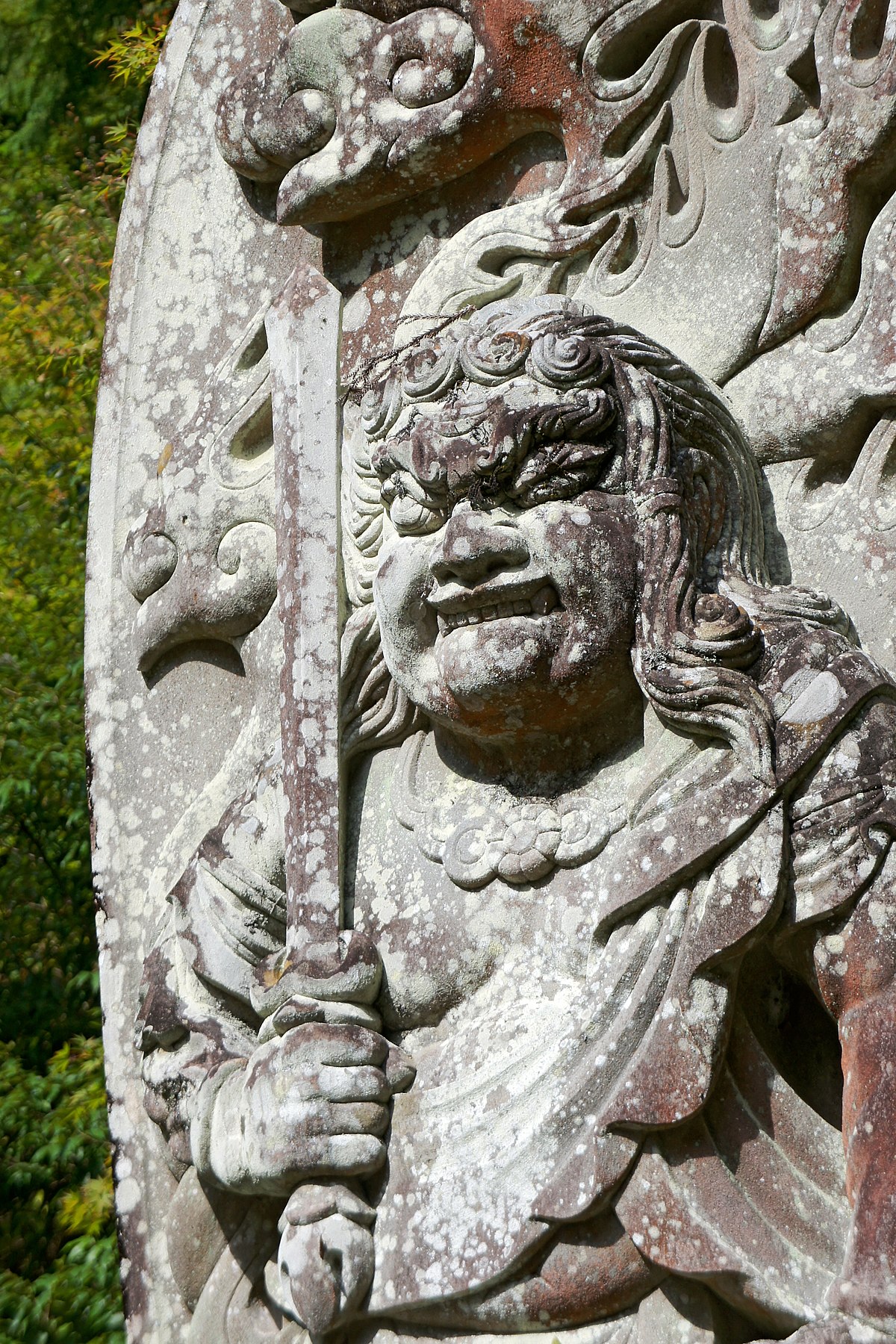
- Temples and cultural assets: You can view the main hall, pagoda, bell tower, and other buildings, as well as Buddhist statues and paintings (some of which are designated as Important Cultural Properties) that have been passed down at the temple (photography may be prohibited inside the building and temples).
- Observation spot: From the elevated area within the temple grounds, you can see Kyoto city and the surrounding mountains, and on clear days the distant view is beautiful.
- Nature in the Four Seasons: Each season shows a different look, with the fresh greenery of spring, the deep green of summer, the autumn leaves, and the stillness of winter.
Access (nearest station, transportation, etc.)
Because Jingo-ji Temple is located in a mountainous area, the most common way to get there is to combine public transportation with walking. Below is a typical example of how to get there (please check the official website or transportation company in advance for the latest timetables and routes).
- Public transportation: From Kyoto Station, take a city bus, JR line, or Hankyu line towards Arashiyama, then take a Kyoto bus from Arashiyama (or a nearby transfer point) towards Takao. The most common route is to walk up the mountain from the Takao bus stop. Please note that the number of buses varies depending on the season and day of the week.
- By car: From central Kyoto, take the national highway and mountain roads towards Takao. Because it is in the mountains, parking is limited, and during the autumn foliage season, it is often congested and full.
- Taxis and sightseeing taxis: Taking a taxi from Arashiyama or Kyoto Station will shorten the walking distance and take you close to the temple entrance (fares vary depending on the distance).
Estimated stay (estimated time required)
- Short visit: 30-45 minutes - if you only want to see the main hall near the entrance.
- Leisurely tour: 1.5 to 2 hours - if you include the temple grounds, observation deck, and cultural property exhibits.
- Photography/Foliage Season: 2 hours or more - Please allow extra time to avoid crowds, waiting to take photos, and exploring the surrounding area.
Nearby spots
- Kozanji Temple: An ancient temple in the same Takao area, it houses national treasures and precious picture scrolls. Many people visit it together with Jingo-ji Temple.
- The ancient temples of the Three Mountains of Takao, including Saimyoji Temple: The Takao area is dotted with old temples, and it is recommended to take a stroll and visit several of them.
- Arashiyama/Togetsukyo area: A tourist spot accessible by car or bus. Many people stop by here before or after visiting Jingoji Temple.
- Takao Nature Park and Valley Walking Trail: Hiking trails and scenic spots are nearby, allowing you to enjoy the natural beauty of the mountains.
Things to be aware of (crowds, manners, seasonal precautions, etc.)
- Crowds: The autumn foliage season (especially mid- to late November) is extremely busy. During peak times, the approach to the shrine can become congested and the parking lot can fill up, so we recommend visiting early in the morning or on a weekday.
- Clothing and shoes: The temple grounds have many stone steps and mountain paths, so wear comfortable, non-slip shoes and clothes that are easy to move in. Be especially careful on rainy days as the temple can become slippery.
- Visitor etiquette: Photography may be prohibited inside the hall or exhibition rooms. Please follow the posted notices and instructions of the staff and pray and view the temple quietly.
- Check access information in advance: The number of public transport services and road conditions on mountain roads change depending on the season and time of day. Please check the official website or the latest information from the transport company.
- Preservation of the natural environment: In order to protect the plants, moss, and cultural assets within the temple grounds, please be considerate and avoid entering restricted areas, and take your trash home with you.
- Winter: The approach to the shrine can become dangerous due to snow and ice. Do not push yourself too hard when there is snow on the ground, and make sure you have enough time and equipment.
(Additional Information) When planning your visit, it is a good idea to check the official Jingoji Temple information in advance to confirm things like opening hours, admission fees, and whether there will be any special openings.