Overview (history, characteristics, attractions)
Kanda Myojin (official name: Kanda Shrine) is an ancient shrine located in Chiyoda Ward, Tokyo, and is one of the shrines with deep ties to Edo (present-day Tokyo). Founded long ago, it has a history of over 1,000 years, and even today it attracts a constant stream of worshippers praying for business prosperity, traffic safety, and love. The main deities enshrined are Okuninushi-no-Mikoto (the god of fortune equivalent to Daikoku-sama), Sukunahikona-no-Mikoto (the god of business prosperity equivalent to Ebisu), and Taira no Masakado (one of the enshrined deities), who is revered as a symbol of military commanders.
The grand Kanda Festival, which has been held since the Edo period, is counted as one of the three major festivals of Edo, and is known for the gorgeous mikoshi (portable shrines) and floats that parade through the town. In addition, due to its proximity to Akihabara, it has become strongly associated with the IT industry and otaku culture in recent years, and modern amulets and collaborative projects are also part of its appeal.
Highlights
- Main hall and worship hall: The colorful shrine building and traditional architectural beauty. Here are the basics of worship. It is also a great photo spot.
- The Great Torii Gate and Omotesando: The atmosphere of the approach to the shrine and the majesty of the large torii gate welcome visitors. Perfect for commemorative photos.
- Kanda FestivalThe annual festival is held around mid-May (although it is customary to hold the festival every other year). The mikoshi procession is a spectacular sight and a must-see for festival lovers.
- Amulets and votive plaques: A variety of amulets for business prosperity, academic success, matchmaking, IT safety, etc. Can be purchased at the gift shop near the main shrine.
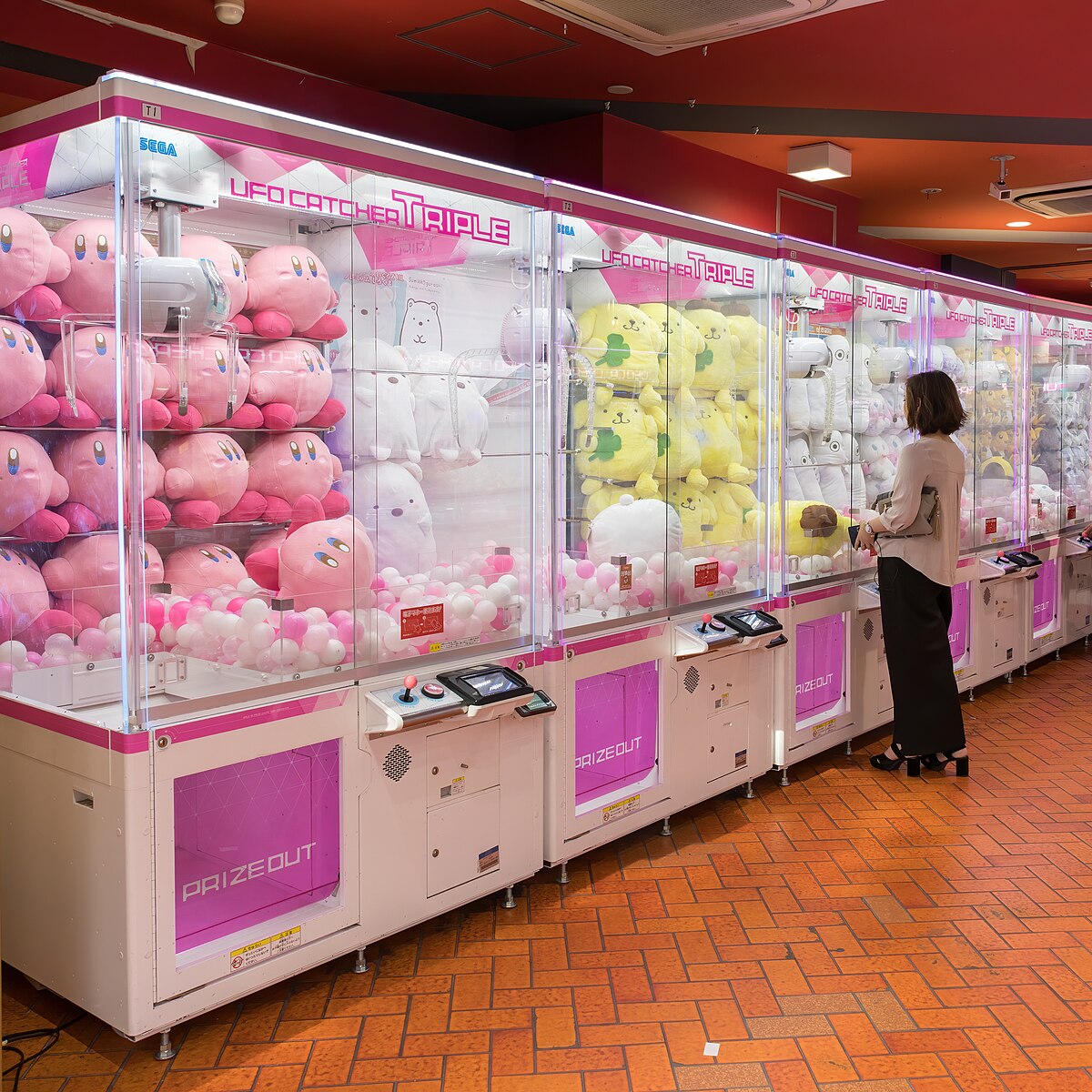
- Collaboration with contemporary culture: Because it's close to Akihabara, you can often find collaboration projects with anime and games, as well as character votive plaques.
Access (nearest station, transportation, etc.)
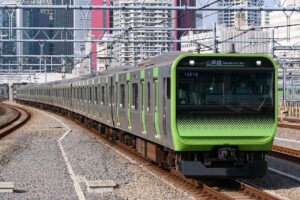
- Nearest station: Approximately 3 minutes walk from the south exit of JR Kanda Station
- Alternatively, it is about a 7-10 minute walk from the Electric Town exit of JR and Tokyo Metro Akihabara Station, and is also within walking distance (about 10-15 minutes) of JR Ochanomizu Station.
- Location (approximate): Chiyoda-ku, Tokyo (Please check the official website for detailed address)
- Visiting by car:Parking is limited due to the central location. We recommend using public transportation.
- Opening hours: Generally, you are free to visit the temple grounds, but the reception desk and shrine office are generally open from 9:00 to 17:00 (this may change depending on events, etc.).
Estimated stay (estimated time required)
- A quick visit: 15-30 minutes (without worship or purchasing amulets)
- Take your time to look around and purchase a charm:30-60 minutes
- Viewing events such as the Kanda Festival: A few hours to half a day (including crowds and queues)
Nearby spots
- Akihabara Electric Town: A dense concentration of electronics, anime, and game-related stores. Within walking distance of Kanda Shrine.
- Nihonbashi/Marunouchi area: The historic commercial district and buildings are nearby, making it a great place to stroll around.
- Ochanomizu (musical instrument store district): A street lined with music stores and second-hand bookstores. You can walk there.
- Jimbocho (second-hand bookstore district): A classic spot for book lovers. Combine this with a visit to cafes and second-hand bookstores.
Things to be aware of (crowds, manners, seasonal precautions, etc.)
- congestion: The shrine gets very crowded during New Year's visits (January), Kanda Festival (mainly in May), long holidays, and weekends. If possible, we recommend visiting early in the morning or on a weekday.
- Worship etiquette: Please observe basic worship etiquette, such as the chozuyu (cleaning your hands and mouth with water from a ladle), two bows, two claps, and one bow. Please refrain from shouting or eating or drinking in the worship hall.
- photograph: Photography is permitted in many areas within the temple grounds, but photography may be restricted during festivals or private prayers by priests. Please follow the instructions of the signs and staff.
- Clothes/shoes: There are no particular restrictions, but you may have to walk on stairs and cobblestones, so comfortable shoes are recommended. It is common to remove your hat during prayers.
- payment: Cash is the best way to buy charms and votive plaques. In recent years, the number of shrines that accept cashless payments has increased, but it's best to check in advance.
- Weather and Season: During the summer festivals, it gets very hot and crowded. In winter, there are fewer visitors and you can worship quietly, but be sure to take precautions against the cold.
Note: Please check the official website or shrine office in advance for the latest event schedules, opening hours for the shrine office, and information on special visits. Kanda Myojin Shrine is a place where tradition and modern culture intersect, so you can enjoy your visit even more by combining it with a stroll around the surrounding area.