
Overview (history, characteristics, attractions)
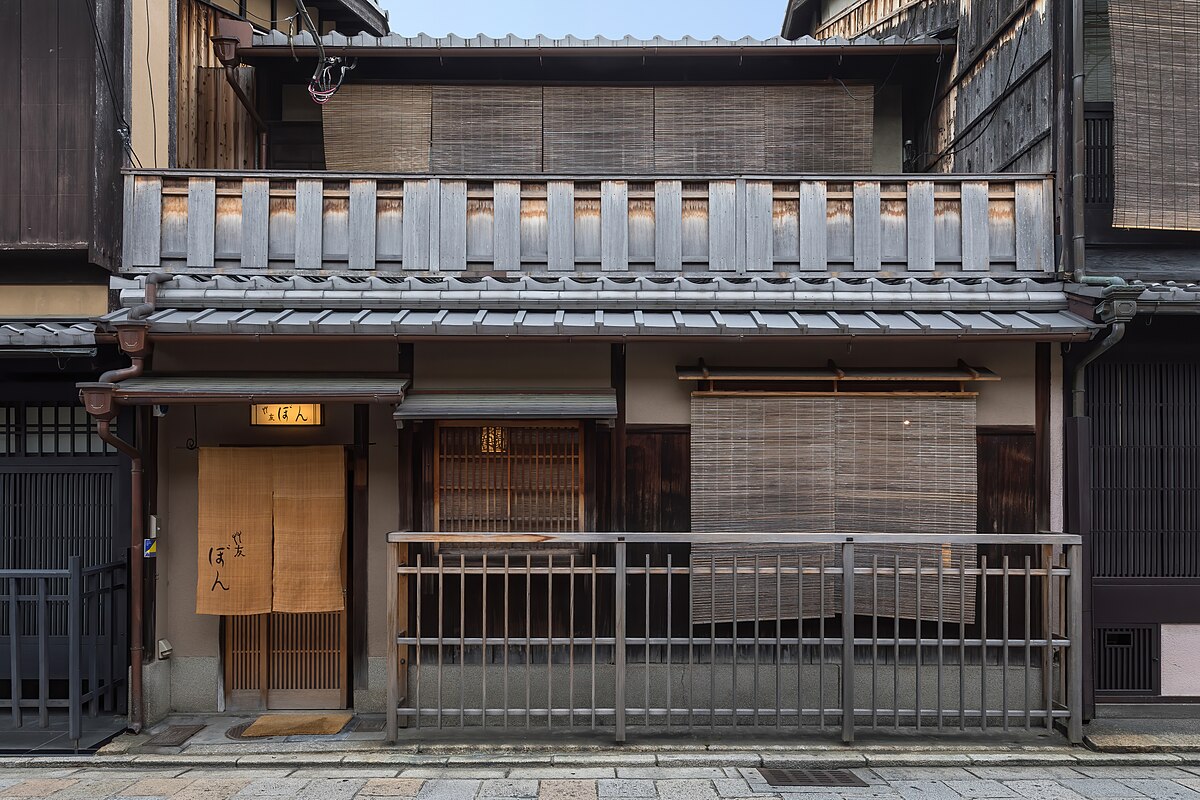
Gion is a representative traditional entertainment district in Higashiyama Ward, Kyoto City, which once developed as a center of entertainment and hospitality, connecting with the culture of the nobility and samurai. At its heart is Yasaka Shrine (Gionsha), and ancient festivals and events continue to this day. The area retains a strong sense of elegance, with lattice doors, white-walled townhouses, cobblestone alleys, and lanterns swaying from the streets, and is also famous for being a place where you can see maiko and geiko. It is characterized by its tourist appeal, which combines historical scenery with a nighttime atmosphere and seasonal events (particularly the Gion Festival in July).
Highlights
- Yasaka Shrine: The main shrine of Gion. At the center of the Gion Festival, you can enjoy worship and seasonal events.
- Hanamikoji Street: A typical street lined with traditional Gion townhouses, restaurants, and teahouses. The atmosphere is especially beautiful at dusk.
- Around Tatsumibashi and Shinbashi along the Shirakawa River: The scenery of the willow trees, stone pavement, and reflections on the river surface is very picturesque. It is sometimes lit up at night.
- Yasaka Pagoda (Five-story Pagoda of Hokanji Temple): One of the landmarks of Gion, the view from the surrounding area is picturesque.
- Gion Kobu Kaburenjo and Gion Kaikan (Gion Kouta and dance performances): There may be performances where you can enjoy traditional performing arts (please check and make a reservation).
- Gion Festival (July): One of Japan's three major festivals. Events such as the Yamahoko procession attract many visitors from both within Japan and overseas.
- The exterior of a teahouse or restaurant: Most of the shops inside are invitation-only, but you can enjoy the exterior and surrounding atmosphere by strolling around. There are also teahouses, Japanese sweet shops, and cafes that are open to the public for tourists.
- Architecture and Alley Strolls: There are many photo spots dotted with traditional townhouses, stone-paved streets, and small temples and shrines.
Access (nearest station, transportation, etc.)
- Access by train
- Keihan Railway: Gion-Shijo Station (approximately 3-5 minute walk) — The closest station to Hanamikoji Street and Yasaka Shrine.
- Hankyu Railway: Kawaramachi Station (approximately 8-12 minute walk) — Accessible by walking along Kawaramachi Street.
- Access by bus
- Kyoto City Bus: Take major routes (100, 206, etc.) and get off at bus stops such as "Gion," "Kiyomizu-michi," or "Higashiyama Yasui."
- From Kyoto Station: Approximately 15-25 minutes by city bus (100/206 etc.) (varies depending on traffic conditions).
- taxi: Approximately 15 to 25 minutes from Kyoto Station (may vary depending on traffic conditions).
- Walking: It is within walking distance of the Higashiyama area (around Kiyomizu-dera Temple) and Kawaramachi area. It is convenient to combine your stroll with other sightseeing in the area.
Estimated stay (estimated time required)
- Short walk: 1 to 1.5 hours (round trip along Hanamikoji and Shirakawa River)
- Leisurely sightseeing: 2-4 hours (Yasaka Shrine, surrounding temples and shrines, teahouses, photography, snacks)
- Half-day to full-day course: Half a day or more (combining Gion with Kiyomizu-dera Temple and other spots in Higashiyama)
Nearby spots
- Kiyomizu-dera Temple (approximately 15-25 minutes walk) — A must-see in Higashiyama.
- Kodaiji, Ninenzaka, and Sannenzaka (walking distance) — An area lined with old townscapes and souvenir shops.
- Maruyama Park and Chion-in Temple (walking distance) - Enjoy nature and a large temple.
- Pontocho - A restaurant district along the Kamo River, convenient for dining (within walking distance).
- Nishiki Market (a little further away but easily accessible) — Recommended for experiencing food culture.
Things to be aware of (crowds, manners, seasonal precautions, etc.)
- congestion: It gets especially crowded in the evenings and at night and during the tourist season (cherry blossoms in spring, autumn leaves in autumn, and the Gion Festival in July). If you visit early in the morning (7am-9am), it's quieter and easier to take photos.
- Etiquette for photographing maiko and geiko: Maiko and geisha are not public figures and are often at work, so it is strictly forbidden to approach them and demand photos or chase them. Please maintain a distance and be considerate so as not to bother them. It is also good manners to refrain from using flash photography.
- Use of teahouses and restaurants: Traditional teahouses (okaikoba) are generally invitation-only, and you cannot enter without permission. For establishments that are open to the public, be sure to check their opening hours and whether or not reservations are required in advance.
- Walking through alleyways and taking photos in front of stores: Be careful not to block entrances and exits for stores or residents. There are many narrow streets and stairs, so use a tripod in a place where you will not cause inconvenience to others.
- Safety/Clothing:There are some cobblestone streets and areas that can be slippery due to rain, so we recommend wearing comfortable shoes. It can be very humid in the summer and cold in the winter, so please dress appropriately.
- Garbage and smoking: Smoking and littering in public places are bad manners. Please use designated areas and trash cans.
Gion is a place where you can enjoy just seeing, walking, and feeling the atmosphere. Because it is a mix of historic scenery and modern tourism, you can enjoy a deeper charm by strolling quietly and respecting good manners.