Overview (history, characteristics, attractions)
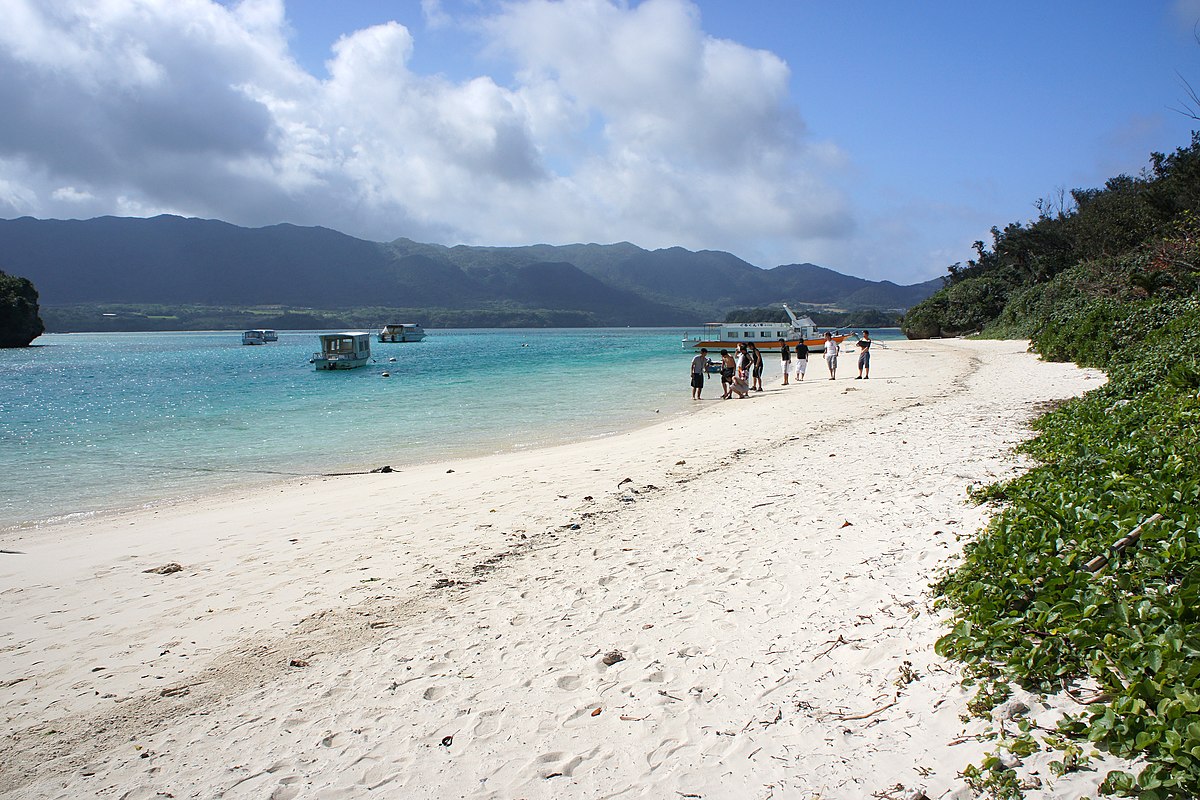
Ishigaki Island (Ishigaki City, Okinawa Prefecture) is the central island of the Yaeyama Islands, and is a tourist destination where you can enjoy crystal clear waters, abundant coral reefs, and the unique Yaeyama culture. Trade and cultural exchange took place here as part of the Ryukyu Kingdom in ancient times, and the island retains its own unique dialect and traditional events. The island's greatest attractions are undoubtedly the beauty of its ocean (the emerald green scenery of Kabira Bay and its abundant diving spots), its food culture, including Ishigaki beef, and its convenient location as a base for access to the surrounding outlying islands.
Highlights
- Kabira Bay — The beautiful coral reefs and blue-green sea that can be seen from the glass-bottom boat and observation deck are famous and a must-see photo spot.
- Tamatorizaki Observation Deck and Tamatorizaki Park Located on a hill on the east coast, it offers panoramic views of the Pacific Ocean and the surrounding greenery. It's also a popular spot for watching the sunrise.
- Banna Park (Mount Banna) — A large park near the city with forest trails and observation points, perfect for nature observation.
- Ishigaki Yaima Village — A facility where you can learn about Yaeyama's traditional houses and folk culture. There are old houses and demonstrations of traditional performing arts.
- Yonehara Beach/Yonehara Coral Reef — A famous snorkeling spot where you can see untouched coral and tropical fish (*protected areas exist).
- Uganzaki Lighthouse — A cape known for its cliff views and beautiful sunsets.
- Ishigaki Port Remote Island Terminal From here, you can travel to many remote islands, including Taketomi Island, Iriomote Island, Hateruma Island, and Yonaguni Island, for day trips or overnight stays.
- Gourmet — Enjoy dishes made with local ingredients such as Ishigaki beef, Yaeyama soba, local seafood, brown sugar, and pineapple.
- Diving and snorkeling — The surrounding waters are home to a variety of diving spots, including manta rays, coral reefs, and drop-offs.
Access (nearest station, transportation, etc.)
There is no railway, and airports and ports are the main transportation hubs.
- Air: New Ishigaki Airport (Painushima Ishigaki Airport) is the island's gateway. There are direct and connecting flights from Naha and major cities on Honshu (Tokyo, Osaka, Nagoya, etc.). The airport is about a 20-30 minute drive from the city center.
- sea route: High-speed boats and ferries operate from Ishigaki Port Remote Island Terminal to Taketomi Island, Kohama Island, Iriomote Island, Hatoma Island, Hateruma Island, Yonaguni Island, etc. Regular passenger ferries from Naha are not common and are mainly used for traveling between remote islands.
- Island Transportation: Renting a car is the most convenient option (tourist spots are scattered around). Local buses, sightseeing taxis, and rental bicycles and motorbikes are also available. Rental cars fill up quickly during the peak season, so reservations are required.
Estimated stay (estimated time required)
- Sightseeing only on Ishigaki Island: You can see the main attractions in 2-3 days (Kabira Bay, Tamatorizaki, Yaima Village, Yonehara Beach, etc.).
- Day trips to remote islands (Taketomi Island and Kohama Island): 1 day each. Taketomi Island is best spent exploring the village and taking a water buffalo cart tour.
- If you are planning to include multiple remote islands such as Iriomote Island, Yonaguni Island, and Hateruma Island, the ideal time is 4 days to 1 week (taking into account travel time and time for activities such as diving).
Nearby spots
- Taketomi Island — Famous for its red-tiled villages, white sand roads, and water buffalo carts. Approximately 10-15 minutes by high-speed boat from Ishigaki Port.
- Iriomote Island — The natural beauty of the area, mangroves, and waterfalls (Urauchi River and Nakama River), along with a wide range of activities.
- Kohama Island, Kuroshima Island, Kayama Island, etc. — Relaxed island time and ocean activities.
- Hateruma Island and Yonaguni Island Hateruma is the southernmost inhabited island in Japan, and is known for its stargazing and the ocean. Yonaguni is famous for its underwater ruins (great for diving).
Things to be aware of (crowds, manners, seasonal precautions, etc.)
- congestion: Accommodations, rental cars, and tourist facilities will be crowded during Golden Week, summer vacation, and the New Year holidays. We recommend making reservations for accommodations and rental cars early.
- Ocean etiquette/nature conservation:The coral reefs are extremely delicate. Walking on the coral with bare feet and taking coral with you is prohibited. When snorkeling or diving, please be careful not to come into contact with the coral with your fins or boat.
- Jellyfish and Ocean Dangers:In the summer (especially from June to September), be careful of jellyfish that can sting you, and be careful of swells when a typhoon approaches. When entering the ocean, check local warning signs and information from lifeguards.
- weather: During typhoon season (mainly July to October), flights may be canceled or roads may be closed, so be sure to plan your trip well. It's also a good idea to be prepared for sudden rain or strong sunlight.
- Traffic rules: Just like in Japan, driving is on the left side of the road. The roads on the remote islands are narrow and have many curves, so please drive with ample space to maneuver. Drinking and driving is strictly prohibited.
- Cash and business information: Credit cards and ATMs may not be accepted on remote islands, so it's a good idea to carry some cash. Store opening hours and closing days may change depending on the season, so be sure to check in advance.
- Garbage and environmental considerations: Follow local rules such as taking your trash home and separating it. Help protect the natural environment.
Ishigaki Island is an island that is easy to feel the charm of even for a short time, but if you combine it with visiting the surrounding outlying islands and diving, your trip will become even more fulfilling. Please enjoy a safe and enjoyable trip while taking into consideration the climate and natural environment.