
Overview (history, characteristics, attractions)
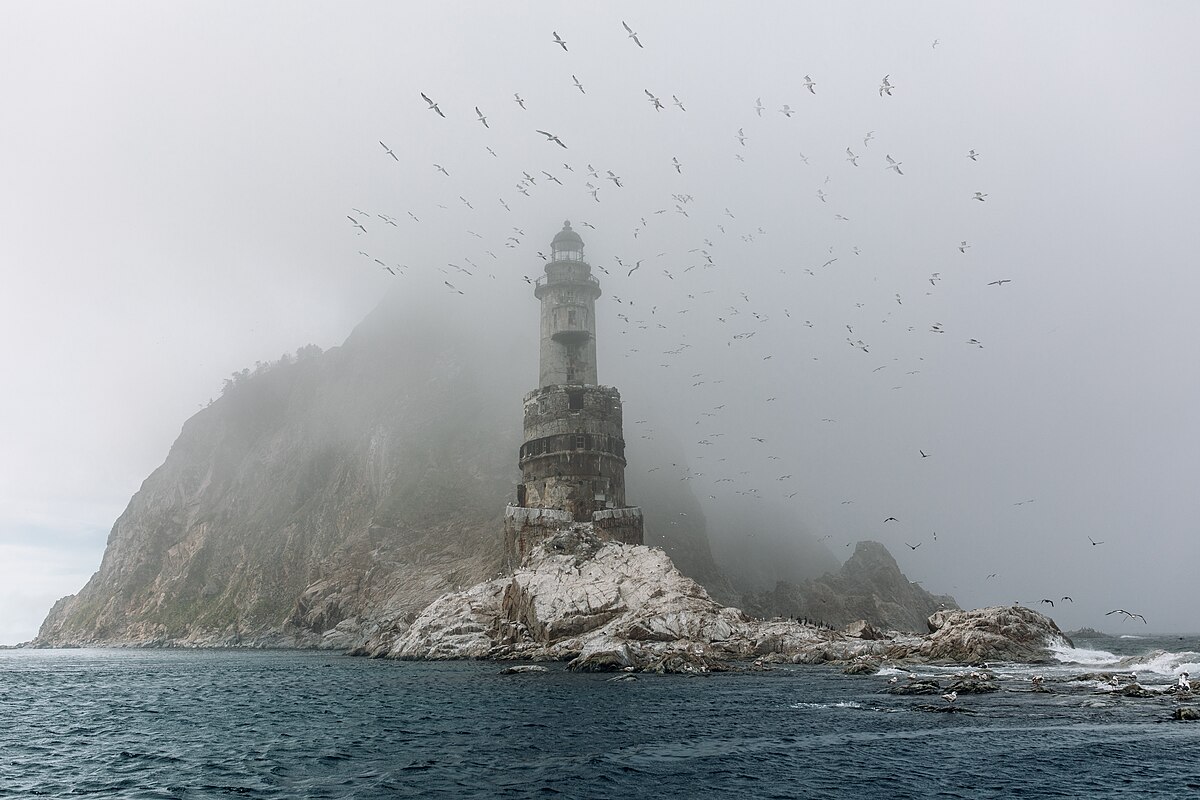
Cape Shiretoko is a cape located at the easternmost tip of the Shiretoko Peninsula, in Shari Town, Shari District, Hokkaido. Shiretoko ("shiretoko" in the Ainu language is said to mean "edge of the earth") is one of the iconic points of Shiretoko National Park, which was registered as a UNESCO World Heritage Site in 2005, and is home to untouched primeval nature and a rich marine ecosystem.
The coastline is lined with cliffs and oddly shaped rocks, and is home to seabirds and marine mammals, as well as the spectacular scenery of drifting ice that changes with the seasons. Brown bears and virgin forests can be seen on land, and whales, killer whales, Steller's sea eagles, and white-tailed eagles can be seen in the sea, allowing you to see the unique landscape and ecosystem where the sea and mountains meet.
Highlights
- Cape Shiretoko itself: The view of cliffs and the cape jutting out into the sea. The power of nature seen up close from the boat is breathtaking.
- Wildlife watching: Whales, dolphins and seals from the sea, Steller's sea eagles flying overhead, and signs of brown bears on land.
- Seasonal changes: From spring to autumn, the contrast between the greenery and the sea is striking, and in winter, drift ice can be seen in some places (depending on the season and route) (there are times when drift ice can be observed from the sea near the mainland).
- Surrounding natural features: You can also enjoy the Shiretoko Five Lakes, Kamuiwakka Hot Spring Waterfall, and the view from Shiretoko Pass.
Access (nearest station, transportation, etc.)
- Nearest train station: The nearest major station is Shiretoko-Shari Station (formerly Shari Station) on the JR Senmo Main Line. From the station, you can travel to Utoro and Rausu by local bus, taxi, or rental car.
- Tourist boats: The most common way to get to Cape Shiretoko is by tourist boat (cruise). They depart from Utoro Port and Rausu Port seasonally (mainly from spring to autumn). Departure times are easily affected by weather and sea conditions, and may be canceled.
- Trekking: There are routes to Cape Shiretoko on foot, but these are long distances that take several days, and bear protection and proper equipment are essential. Generally, a guided traverse program is recommended.
- Personal car/rental car: It is convenient to drive to Shari or Utoro and board the boat from the port. Be aware of traffic restrictions and frozen roads in winter.
Estimated stay (estimated time required)
- Round trip by sightseeing boat: Half a day to a full day (varies depending on departure point, route, and weather). Round trip cruises on the boat and courses that circle the capes are common.
- If you are reaching the destination by trekking: it often takes several days to go there one way (2-3 days or more for a round trip), so you will need to be physically fit and prepared.
- If you are touring the entire Shiretoko region: 1-2 days is recommended, including the Shiretoko Five Lakes and Kamuiwakka Hot Springs, but if you want to take your time exploring, 2-3 days or more is recommended.
Nearby spots
- Shiretoko Five Lakes (Shiretoko Five Lakes Walking Trail) - The forests, marshes, and mountain ranges reflected in the lake's surface are beautiful.
- Kamuiwakka Hot Spring Falls - A waterfall with hot spring water (please be careful about the location and time of year before bathing).
- Shiretoko Pass - The view from the pass is spectacular on clear days.
- Utoro Onsen - A hot spring resort that serves as a base for tourism, as well as a departure and arrival point for accommodations and sightseeing boats.
- Rausu (Rausu Port) — Enjoy the charm of the sea from the Rausu side, enjoy seafood, and watch Steller's sea eagles.
- Oshinkoshin Falls, a facility in Shari City - a tourist destination that can be reached by car in just a short time.
Things to be aware of (crowds, manners, seasonal precautions, etc.)
- Weather and sea conditions: Tourist boats to Cape Shiretoko are often canceled or have shortened service times due to weather and sea conditions. Be sure to check the operating company's information before setting sail and plan your trip with plenty of time to spare.
- Danger from wild animals such as brown bears: Shiretoko is a habitat for brown bears. Trekking alone is dangerous, so it is recommended to go with a guide and take bear precautions (such as bells and bear spray). Never approach or feed wild animals.
- Entry restrictions and observance of rules: Within the national park, there are walking trails, restricted areas, and times when you must be accompanied by a guide. Please follow signs and instructions from staff, and be mindful of protecting the natural environment. In addition, the use of drones and other devices is restricted in some areas.
- Mobile phone and rescue systems: There is often no mobile phone coverage around the cape, so rescue and communication may be delayed. Please be sure to prepare adequately, plan ahead, and check the weather.
- Seasonal precautions: During the drift ice season and winter, both sea and land routes are often closed or suspended, making it nearly impossible to access the cape. Even during the tourist season from spring to autumn, be aware of sudden changes in the weather.
- Reservations and crowds: Tourist boats tend to be crowded during peak seasons (summer vacation, Golden Week, etc.), so we recommend making reservations in advance. It's also a good idea to secure accommodations early.
Cape Shiretoko is a special place where you can experience untouched nature up close, but that also means that risk management and consideration for the environment are important. Before visiting, please check the latest information from the operator, the Shiretoko World Heritage Center, and the local tourist information center, and be sure to enjoy safe and respectful sightseeing.