Overview (history, characteristics, attractions)
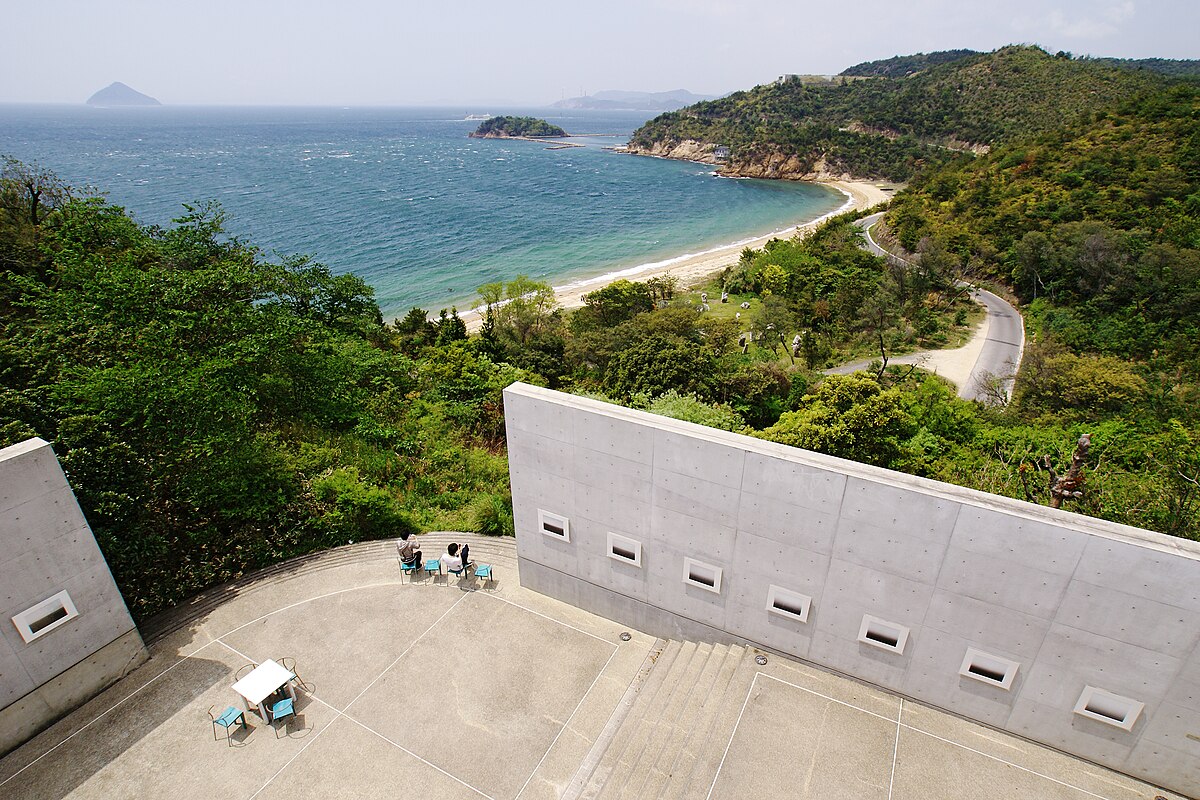
Naoshima is an inhabited island in the Seto Inland Sea that belongs to Naoshima Town, Kagawa County, Kagawa Prefecture. Although it has a very small population, it is known worldwide as an island of contemporary art. The island originally prospered through fishing and maritime traffic, but depopulation progressed in the 1970s and 1980s. The Benesse Art Site Naoshima project began in the late 1990s, and with the development of a museum designed by Tadao Ando, permanent works by world-renowned artists, and a group of art houses scattered throughout the town, the island has been revitalized as an "island where art and life coexist."
Its distinctive features include outdoor sculptures and museums integrated with architecture, unique exhibition spaces like the Chichu Art Museum, and the Naoshima Art House Project, which uses vacant houses in the village, allowing visitors to experience how "everyday scenery itself becomes a work of art." The combination of the tranquil scenery of the Seto Inland Sea and contemporary art is a major attraction.
Highlights
- Chichu Art Museum: A museum designed by Tadao Ando and buried almost entirely underground. It houses works by Monet's Water Lilies, James Turrell, and Walter de Maria. It features exhibits themed around light and space. Please note that photography is prohibited in many areas of the museum.
- Benesse House Museum (Benesse House): A complex that combines accommodation with an art museum. Several outdoor sculptures are installed on the rooftop and outside, allowing guests to quietly appreciate them in the mornings and evenings.
- Lee Ufan Museum: Designed by Tadao Ando. Lee Ufan's works are characterized by installations that make use of space and the textures of materials such as stone and iron.
- Art House Project (Honmura / Honmura District): A collection of artworks using vacant houses and townhouses. You can experience the concept of a different artist in each house. It's fun to walk around.
- Miyanoura Port outdoor artwork (and "Pumpkin"): The island's iconic outdoor sculptures. The artworks blend into the scenery of the harbor and the seaside, making them a popular photo spot.
- Life art such as the Naoshima public bath "I♡Yu": A facility where lifestyle and culture intersect. You can experience island life through bathing and the art objects around town.
- Island landscapeThe calm waters of the Seto Inland Sea, the colors of the sea that change with the seasons, and the rural and village scenery that you can see while cycling are also major attractions.
Access (nearest station, transportation, etc.)
The main way to get to Naoshima is by ferry. The departure and arrival ports and routes change depending on the season and schedule, so be sure to check the operating times in advance.
- Main Routes
- Takamatsu Port (Takamatsu City, Kagawa Prefecture) → Naoshima (Miyaura Port or Ieura Port): High-speed boats and ferries are available. The journey time varies depending on the boat, but is generally around 30 to 50 minutes (high-speed boats are short, ferries are slightly longer).
- Uno Port (Tamano City, Okayama Prefecture, nearest JR Uno Station) → Naoshima (Miyanoura Port): Most trips take around 10 to 20 minutes, making it convenient to access. To get to Uno, take the JR Setouchi Ohashi Line and Uno Line from Okayama Station.
- Nearest major station
- JR Takamatsu Station (access to Takamatsu Port by bus or on foot)
- JR Okayama Station (take the Uno Line from Okayama to Uno Station)
- There is a limousine bus from Takamatsu Airport to Takamatsu city center.
- Traveling within the island
- Walking: The area around the port and Honmura district can be explored on foot, but the facilities are scattered around.
- Bicycle rental: A popular means of transportation. Electrically assisted bicycles are convenient as there are slopes.
- Buses and shuttles: There are buses that connect to major art museums and the Benesse area (not many).
- Rental cars and taxis: You can also bring your car onto the island (use the car ferry). Parking on the island can be limited.
Estimated stay (estimated time required)
- Guideline for day trips: If you rush around the main spots (Miyaura and Honmura), it will take 4 to 6 hours. If you want to take your time to see the Chichu Art Museum and the interior of Benesse, you may not have enough time.
- A relaxed stay: Two days and one night is recommended. On the first day, you can explore the Honmura Art House Project and the village, and on the second day, you can visit the Benesse Chichu Art Museum and Lee Ufan Museum.
- Example of a stay plan: Arrive on an early morning flight → Stroll around Honmura and have lunch → Benesse/Chichu Art Museum in the afternoon → Stay overnight (accommodation available at Benesse) → Return the next morning and cycle around the island.
Nearby spots
- Teshima: A neighboring island of Naoshima, it is home to art projects (such as the Teshima Art Museum) and is visited by many people for day trips or overnight stays.
- Inujima: Art island on the Okayama side. Famous for the Inujima Seirensho Art Museum.
- Takamatsu (Kagawa Prefecture): With many famous restaurants in Ritsurin Garden and Sanuki udon, it is convenient for combining a trip with Naoshima.
- Okayama (Uno Port, Tamano): A route starting from Uno Port to Naoshima. Okayama Castle and Korakuen Garden are also nearby tourist spots.
- Shodoshima, Ogijima, and Megijima:Many people visit as part of a tour of the Seto Inland Sea islands.
Things to be aware of (crowds, manners, seasonal precautions, etc.)
- congestion
- During Golden Week, summer vacation, Silver Week, and weekends, tourists flock to the museum, restaurants, and ferries, and the Chichu Art Museum may restrict entry and limit admission.
- Popular artworks can easily become congested with people stopping and taking photos, so please be considerate of others when viewing them.
- Manners
- Many art museums prohibit photography inside the building, or only allow it in certain areas. Please follow the rules, such as not touching the artworks and not using flash photography.
- When walking through settlements or residential areas, please keep noise levels to a minimum and be considerate of the living space of local residents.
- Reservations and Tickets
- Chichu Art Museum often requires advance reservations and time slots, so be sure to secure your tickets in advance on their official website. Reservations may also be required for Benesse House during peak periods.
- Weather and Season
- In the summer, the sun is strong and hot, so bring a hat, a drink, and sunscreen. In the winter, the sea breeze can make the temperature feel lower, so it's a good idea to bring something to wear over your clothes.
- Ferries may be canceled in bad weather (typhoons, strong winds, heavy rain), so if you are worried about getting there and back, please plan your trip with plenty of time or check frequently for cancellation information.
- Dining and Shopping
- The number of restaurants and shops on the island is limited and their opening hours may be short. Lunchtime can be particularly busy, so please plan your meal times well in advance.
Finally, one of the great attractions of Naoshima is not just appreciating the artworks, but also experiencing the island's lifestyle and scenery. Please check the museum opening times and ferry times in advance, and plan your trip with plenty of time to quietly appreciate the artworks.