Overview (history, characteristics, attractions)
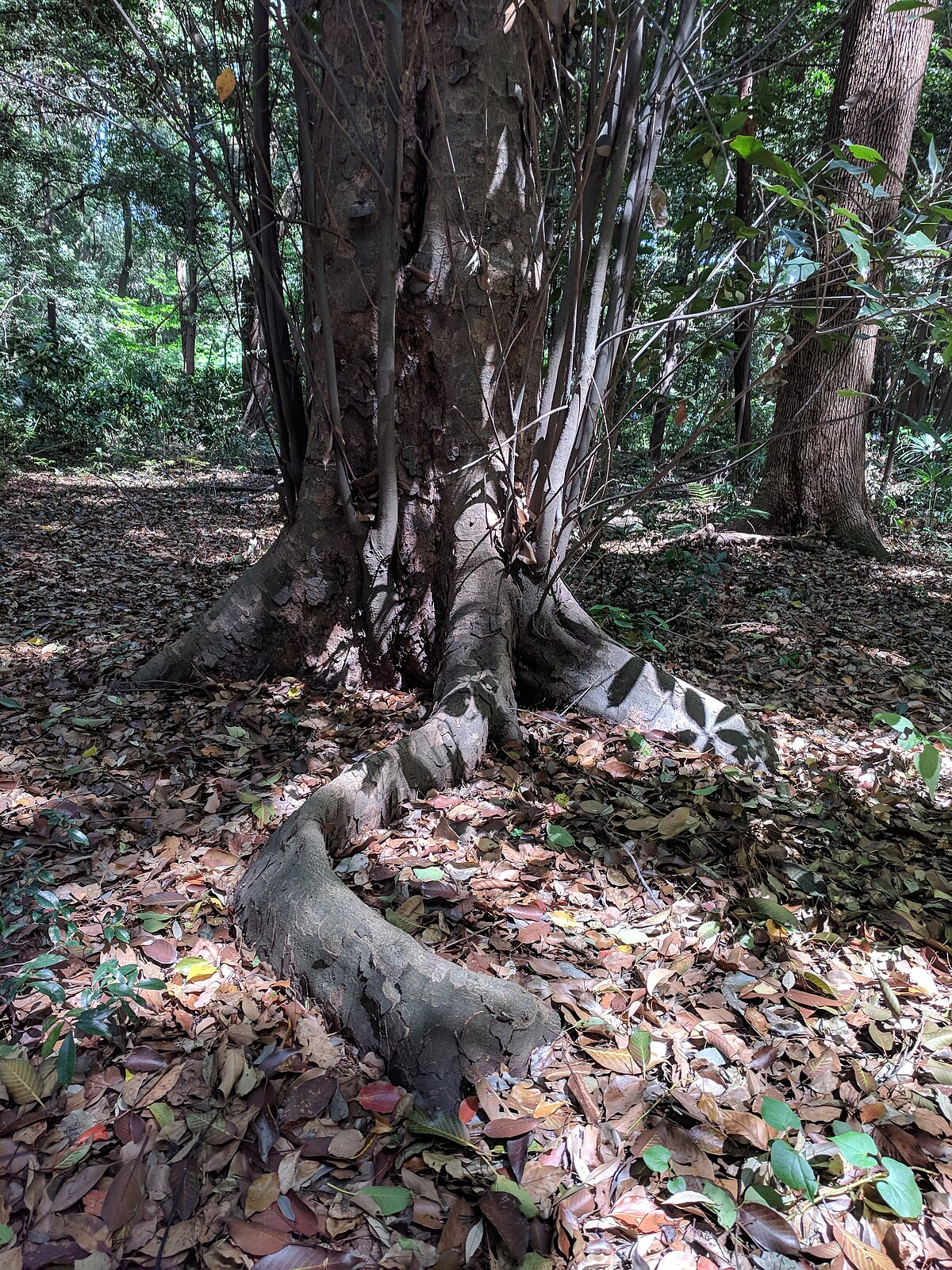
Meiji Shrine is a shrine located in Yoyogi, Shibuya Ward, Tokyo, dedicated to Emperor Meiji and Empress Shoken. Founded in 1920 (Taisho 9), it has undergone postwar reconstruction and development to reach its current state. Despite being located in the heart of the city, the vast forest of approximately 700,000 square meters (Meiji Shrine Gardens and surrounding woods) is known as "Tokyo's oasis," and visitors are captivated by the changing nature of the seasons and the tranquil approach to the shrine.
Its distinctive features include an artificial forest made up of approximately 100,000 trees donated from all over the country, a magnificent large torii gate, a sacred place where traditional Shinto ceremonies and weddings are held, and the fact that it is one of the most visited shrines in Japan for New Year's visits.Other attractions include the Treasure Hall, which houses cultural assets and treasures, a garden (Meiji Jingu Gyoen), and a Noh theater.
Highlights
- The large torii gate and approach to OmotesandoThe majestic wooden torii gate and the gravel path leading to the shrine through the lush forest create a scene that will make you forget the hustle and bustle of the city.
- Main shrine (worship): You can get up close and personal with traditional shrine architecture. Please follow the proper etiquette when praying.
- Meiji Shrine Gardens (inner garden) and Kiyomasa Well: This paid garden features a pond, seasonal flowers, and Kiyomasa's Well, a popular power spot (entrance fee required).
- Treasure Hall: Exhibits items related to Emperor Meiji and Empress Shoken (please check in advance as exhibits change and opening days may apply).
- Noh Theatre and EventsNoh performances and festivals are sometimes held, providing opportunities to experience traditional culture.
- wedding scene: Wedding processions in traditional Japanese attire can often be seen here, making it a popular photo spot.
Access (nearest station, transportation, etc.)
- Address: 1-1 Yoyogi Kamizonocho, Shibuya-ku, Tokyo (Please check the official website for the latest information)
- Nearest station:
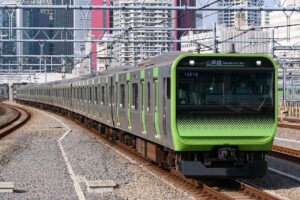
- Approximately 1-3 minutes walk from JR Yamanote Line Harajuku Station (Omotesando Exit) (the most convenient entrance)
- A short walk from Meiji-Jingumae (Harajuku) Station (Exit 5, etc.) on the Tokyo Metro Chiyoda Line and Fukutoshin Line
- Approximately 10-15 minutes on foot from Tokyo Metro Omotesando Station (accessible from the Omotesando exit)
- Bus/Car: The surrounding area tends to be crowded and parking is limited, so we recommend using public transportation. Traffic restrictions may be in place during large events.
- Official website (updated information on worship information, events, and opening and closing times): https://www.meijijingu.or.jp/
Estimated stay (estimated time required)
- Short visit: 30 minutes to 1 hour (only visiting and taking photos)
- Leisurely sightseeing: 1.5 to 3 hours (prayer + stroll around the Imperial Gardens + visit to the Treasure Hall)
- New Year's visits and festivals: several hours to half a day (depending on the crowding situation. Waiting times may be longer)
Nearby spots
- Harajuku Takeshita Street: A mecca for youth culture and shopping. Just a few minutes' walk from Meiji Shrine.
- Omotesando (Omotesando Hills, brand shops, etc.): A street lined with stylish cafes and shops.
- Yoyogi Park: A large urban park perfect for picnics and strolls, located right next to Meiji Shrine.
- Shibuya area (Scramble Crossing, Shibuya Hikarie, etc.): Accessible on foot or by train.
Things to be aware of (crowds, manners, seasonal precautions, etc.)
- congestion: This shrine is one of the most visited in Japan during the New Year holidays, and you may have to wait for several hours to even several dozen hours. It also gets crowded on weekends, holidays, and when events are held. We recommend visiting early in the morning (right after the gates open) or on a weekday morning.
- Worship etiquette: It is common to bow once at the torii gate and avoid walking in the center of the approach. Purify your hands and mouth at the temizuya (purification fountain), put in an offering at the worship hall, and follow the etiquette of two bows, two claps, and one bow. Please act quietly as this is a sacred place.
- photograph: Photography is permitted in many areas within the temple grounds, but please be mindful not to interfere with festivals or prayers. Photography may be prohibited inside the main hall or at certain exhibits. Please follow the signs.
- About the Imperial Palace and Kiyomasa Well: There may be an admission fee for the Imperial Gardens. Kiyomasa Well is a popular tourist spot, so there may be long lines. Please be careful not to stray from the designated area to protect the natural environment.
- Clothing and footwear: The approach to the shrine is gravel and has exposed tree roots in some places, so we recommend wearing comfortable walking shoes. Please be aware that the path can easily become muddy on rainy days.
- Barrier-free: The main pilgrimage route is relatively flat, but some sections have gravel and steps. Wheelchair users and stroller users should check the official information in advance to find an accessible route.
- Seasonal caution: The area, including the surrounding area, gets crowded during the cherry blossom season in spring and the autumn leaves in fall. In summer, it can still get hot even in the shade, so don't forget to stay hydrated.
Finally, before you visit, it's a good idea to check the official website or local guides for opening and closing times, event information, admission fees, temporary traffic restrictions, etc. Enjoy the rich nature and traditional Japanese culture in the city with a quiet visit to the shrine and a stroll around the surrounding area.