Overview (history, characteristics, attractions)
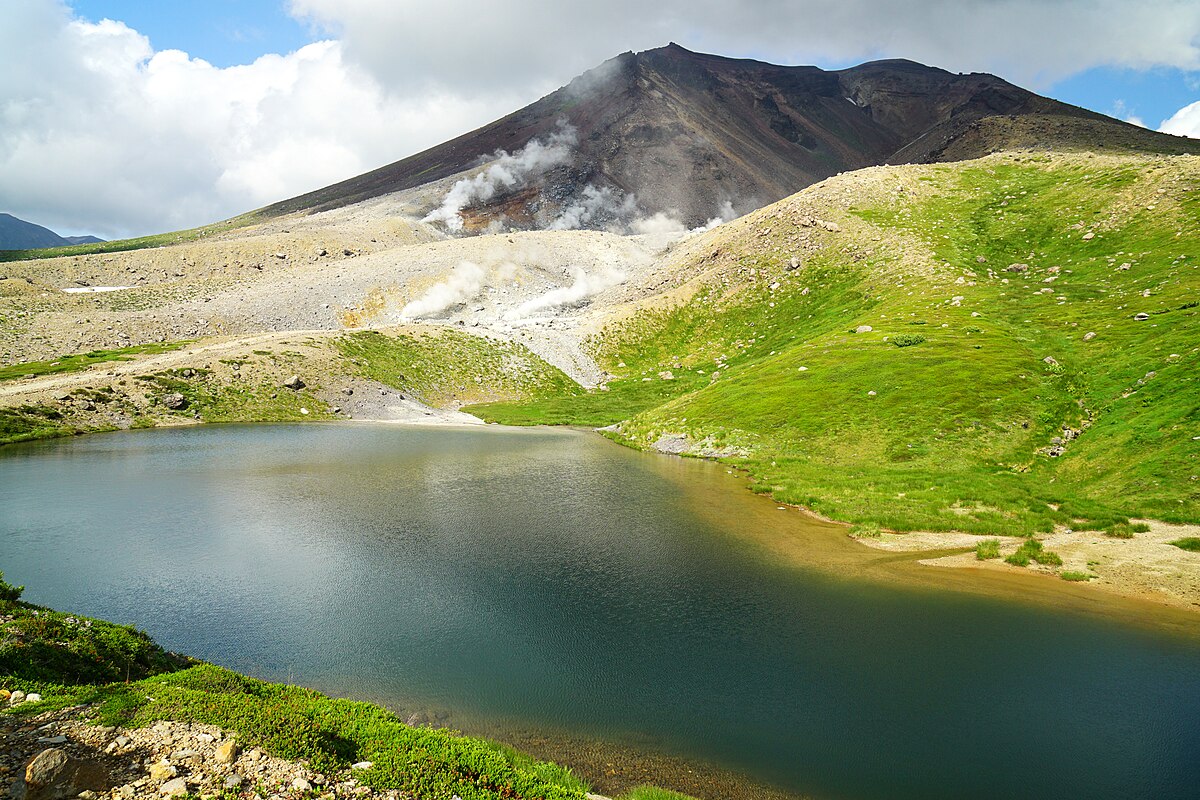
Mount Asahi is Hokkaido's highest peak, boasting an elevation of 2,291m as the main peak of the Daisetsuzan mountain range. Formed by volcanic activity, the surrounding area is designated as Daisetsuzan National Park, where visitors can enjoy a variety of natural experiences throughout the year, including mountain scenery, alpine plants, hot springs, and skiing. The mountain's name comes from "Asahi," which evokes the image of sunrise, and the views from the summit of the mountain, including the sunrise, sea of clouds, and distant mountain ranges, are captivating.
Highlights
- Great view from the summit: If the weather is good, you can enjoy a spectacular view of the Ishikari Plain, distant mountains, and a sea of clouds.
- Alpine plants (summer): From July to August, a variety of alpine plants, including Aleutiana aegyptiaca and Dicentra persica, bloom in full bloom.
- Autumn leaves: From mid-September to early October, the autumn leaves on the ridgeline turn a spectacular color, taking on the entire mountain.
- Asahidake Ropeway: Takes you straight to the middle of the mountain, allowing you to easily enjoy the alpine zone according to your physical strength.
- Hot Springs: Asahidake Onsen at the foot of the mountain is a convenient place to soak after a hike or stay overnight. Its hot springs, including sulfur springs, are appealing.
- Backcountry skiing and snow hiking in winter: Popular with experienced skiers seeking powder snow.
Access (nearest station, transportation, etc.)
- The nearest major station is JR Asahikawa Station (Asahikawa City), which is the starting point for public transportation.
- Bus: Local buses bound for Asahidake Onsen run from Asahikawa Station and Asahikawa Bus Terminal (number of buses varies depending on the season). The journey takes about 1 hour to 1 hour and 30 minutes.
- By car: Approximately 1 hour to 1 hour 30 minutes from Asahikawa via the national highway (depending on road and traffic conditions). There is a parking lot at the foot of the Asahidake Ropeway (paid/free varies depending on the season).
- Airport: Approximately 40-60 minutes by car from Asahikawa Airport. It is convenient to take a bus or rent a car from the airport.
- Ropeway: The Asahidake Ropeway (from Fumoto Station to Sugatami Station) takes you to the middle of the mountain in a short amount of time, making it a great starting point for hiking and walking. Operating hours and fares vary depending on the season.
Estimated stay (estimated time required)
- Ropeway ride to explore the area around Sugatami Pond: 1-2 hours
- Round trip from Sugatami Station (upper ropeway station) to the summit: Approximately 3-5 hours round trip (depending on stamina and weather)
- A round trip from Asahidake Onsen at the foot of the mountain (without using the ropeway): Estimated to take about one day (6 to 8 hours)
- A relaxing stay including a stay at a hot spring: 2 days and 1 night (we recommend including a stroll around the area the next day)
Nearby spots
- Asahidake Onsen: A hot spring town near the trailhead. You can stay overnight or take a day trip to the hot springs.
- Sounkyo: A tourist spot where you can enjoy the spectacular views of the valley, the ropeway, and walking trails (about an hour by car).
- Asahiyama Zoo: A popular spot in Asahikawa City (about 40-60 minutes by car).
- Biei/Furano area: Within a 1-2 hour drive you can see hilly scenery, lavender fields, the Blue Pond, and more.
- Other mountain ranges within Daisetsuzan National Park (such as Mt. Kurodake): There are plenty of routes for hiking and nature observation.
Things to be aware of (crowds, manners, seasonal precautions, etc.)
- Weather changes: The weather in the alpine zone can change suddenly, causing strong winds, fog, and cold weather. Be sure to bring warm clothing and rain gear.
- Countermeasures for altitude sickness: Pay attention to changes in your physical condition due to the change in altitude. If you feel unwell, do not push yourself and descend the mountain.
- Climbing equipment: hiking boots, snacks, plenty of water, a map, a GPS, and a headlamp. Crampons and ice axes are essential in the freezing winter and early spring.
- Countermeasures against bears (brown bears): The area around Mount Daisetsu is a habitat for brown bears. Take precautions such as using bells or radios to make noise, avoiding alone during times when there are few people around, and thoroughly managing your food.
- Restrictions due to volcanic activity: Mt. Asahidake may be subject to traffic restrictions or entry closures due to volcanic activity. Please check the latest information (from the Japan Meteorological Agency, National Park Management Office, etc.) before entering the mountain.
- Plant conservation and etiquette: Alpine plants are easily damaged, so please observe environmental conservation etiquette by staying on the trail and always taking your trash with you.
- Crowds: The ropeway and parking lots tend to be crowded during the autumn foliage season, weekends, and holidays. Please consider leaving earlier, using public transportation, and staying overnight.
- Mobile phones and rescue: There are areas in the mountains where there is no mobile phone signal. If you get lost, you may have to pay for the expenses yourself, so be sure to be well prepared and have a plan.
Note: Please be sure to check the latest operation status, hiking information, and weather forecasts on the official websites (Asahidake Ropeway, Daisetsuzan National Park, Japan Meteorological Agency) and local tourist information before setting off.