Overview (history, characteristics, attractions)
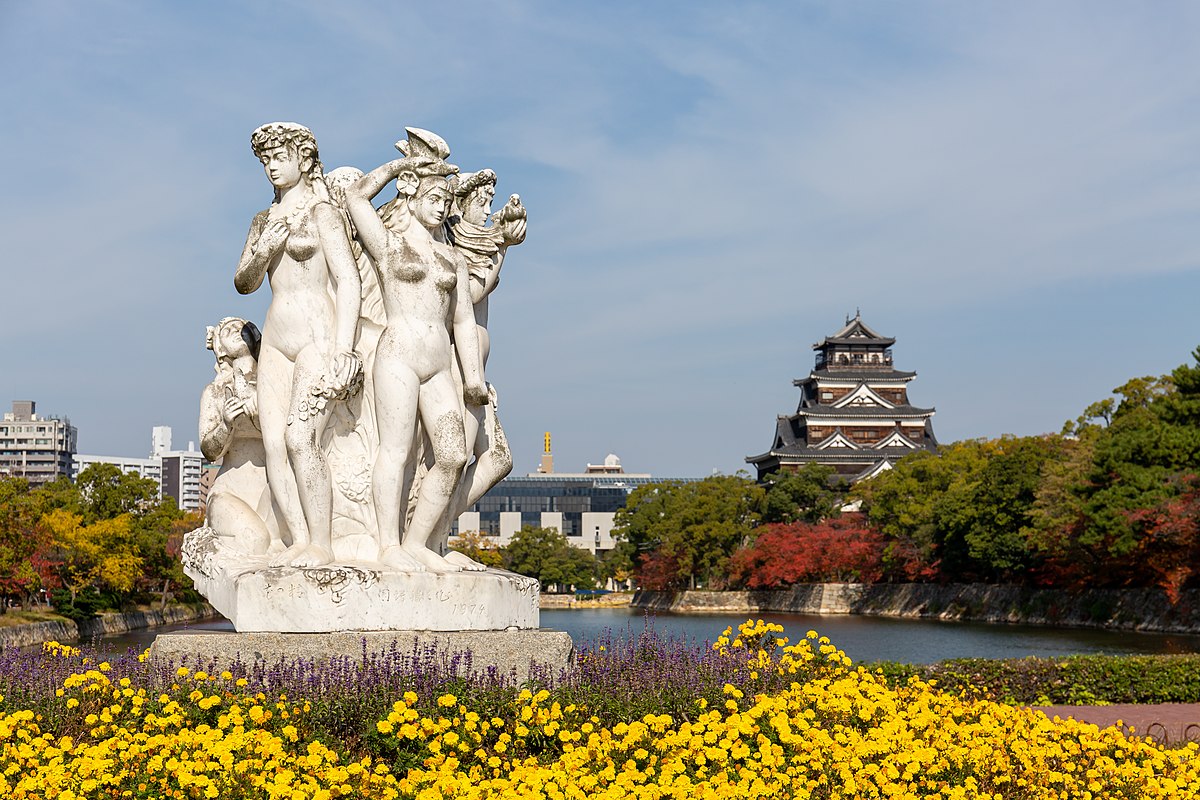
Hiroshima Castle (Naka-ku, Hiroshima City, Hiroshima Prefecture) is based on castles from the Sengoku period onwards and is also known as "Rijo" (Carp Castle). Originating from a castle built by Mori Terumoto, it developed along with the surrounding castle town as the residence of the Asano clan during the Edo period. The castle tower and many of the buildings were destroyed by fire in the atomic bombing of 1945, but the exterior of the castle tower was restored (with reinforced concrete) in 1958 and is now open to the public as a museum displaying historical documents.
The extensive remains of the main enclosure, earthworks, moats, and surrounding green spaces are popular places for local residents to relax, and the charm of the area is that you can enjoy seasonal scenery such as cherry blossoms in spring and autumn leaves.The castle is also within walking distance of major tourist spots in the city, such as Peace Memorial Park, making it an easy location to include in your sightseeing route.
Highlights
- Castle tower (reconstructed castle tower): The exterior has been recreated to look as it did during the Edo period. Inside, the Hiroshima Castle Museum displays the history of the castle, life in the castle town, weapons, and furnishings. You can enjoy a view of the city from the top floor.
- The earthworks and moats of the Honmaru and Ninomaru citadels: you can see the castle structure while walking around, and there are plenty of photo spots.
- Hiroshima Gokoku Shrine and Hiroshima Castle Garden Area: The green spaces around the shrine are perfect for a stroll. The seasonal flowers (cherry blossoms, irises, autumn leaves) are beautiful.
- Document exhibits and special exhibitions: Special exhibitions about the history of the castle and the Hiroshima domain are held regularly (please check official information).
- Surrounding scenery: The castle and moat, the scenery reflected on the water, and the nearby Shukkeien Garden are popular combination tours.
Access (nearest station, transportation, etc.)
- Train and tram (recommended): Take the Hiroshima Electric Railway (tram) from JR Hiroshima Station to the Hiroshima Castle (Hiroshima Castle Front) stop, then walk for a few minutes. It's also easily accessible from the main city center by tram.
- Walking: It's about a 25-30 minute walk from Hiroshima Station and about a 20 minute walk from Peace Memorial Park. You can also walk around the area while sightseeing in the city.
- Bus: Buses on the Hiroshima Bus line are available at bus stops around Hiroshima Castle. Stop locations vary depending on the route, so please check when boarding.
- By car: Parking is limited as it is in the city center. There are paid parking lots around the castle, but they tend to be crowded during peak tourist seasons and events, so we recommend using public transportation.
Estimated stay (estimated time required)
- Tour of the castle tower interior only: 30 minutes to 1 hour
- Castle walk + castle tower tour: 1 to 2 hours (approximately 2 hours if you want to take photos and enjoy the gardens at your leisure)
- Combined sightseeing with the surrounding Shukkeien Garden and Peace Memorial Park: Half a day to a full day
Nearby spots
- Shukkeien Garden: A Japanese garden from the Edo period. About a 5-10 minute walk.
- Peace Memorial Park and Atomic Bomb Dome: A World Heritage Site. Accessible by car or tram in just a short distance, or even on foot.
- Hiroshima City Museum of Contemporary Art and Hiroshima Prefectural Art Museum: art appreciation spots.
- Hondori Shopping Street/Kamiyacho Area: Shopping and dining.
- Okonomiyaki Village: Enjoy Hiroshima's famous okonomiyaki.
Things to be aware of (crowds, manners, seasonal precautions, etc.)
- Crowds: The number of tourists increases during cherry blossom season (late March to early April), autumn foliage season, Golden Week, summer vacation, etc. On weekends and holidays, you may have to wait at the parking lot or at the castle tower entrance.
- Handling of Historic Sites: Please follow the signs within the site, such as not touching the remains or exhibits, and refraining from eating, drinking, or smoking outside of designated areas.
- Check facility information: Exhibition and opening hours, admission fees, and closing days are subject to change. Please check the Hiroshima Castle official website or the city's tourist information site for the latest information before visiting.
- Barrier-free: There may be steps or narrow passageways in some areas. If you are visiting with a wheelchair or stroller, please check the facility's user guide in advance.
- Photography: Generally, photography is permitted, but there may be restrictions on the use of flash photography or tripods for exhibits. Please follow the photography rules.
Note: The latest opening hours, admission fees, and access routes are subject to change. Please check the Hiroshima Castle official website or Hiroshima City tourist information in advance for details.