Overview (history, characteristics, attractions)
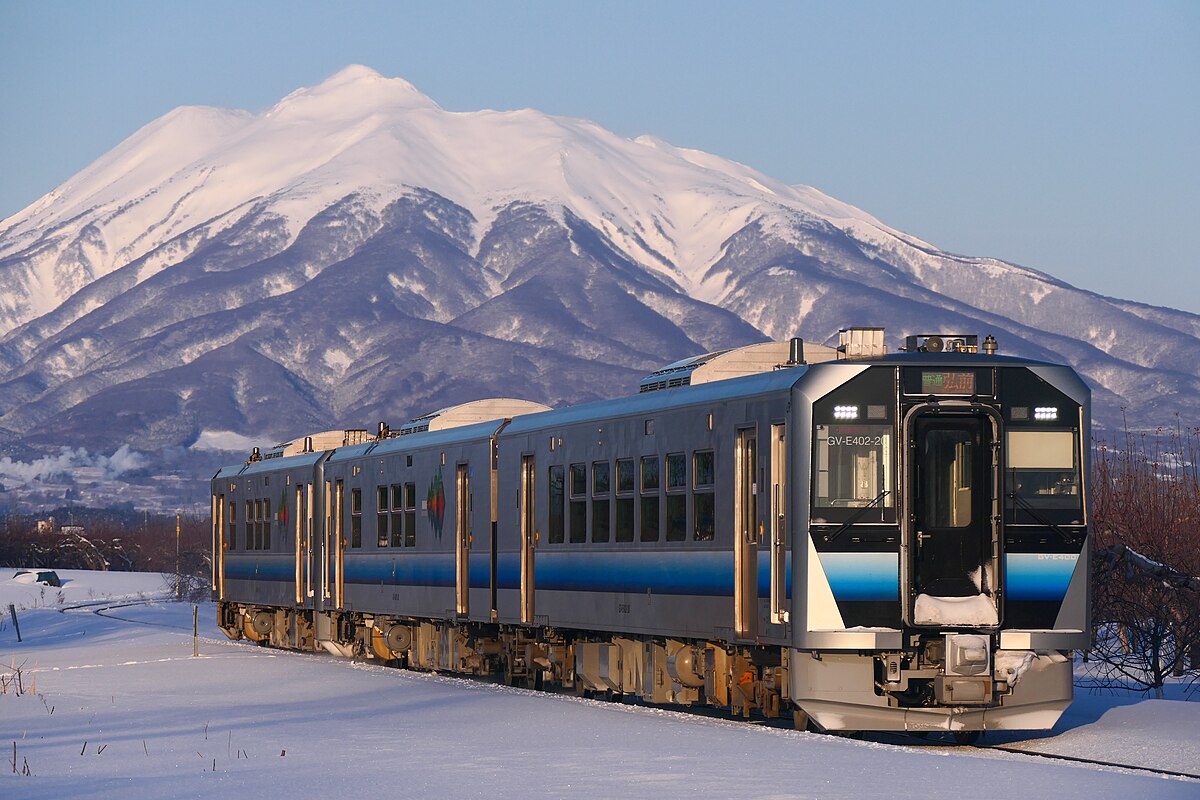
Mount Iwaki is a 1,625m-high stratovolcano located in Hirosaki City (Tsugaru region) in Aomori Prefecture, and is a symbolic mountain also known as "Tsugaru Fuji." Its gently sloping fan-shaped shape and, on clear weather, the summit offers a spectacular panoramic view of the sea, the Tsugaru Plain, and even Hokkaido in the distance. It has long been an object of mountain worship, and the foot of the mountain is dotted with historical sites related to faith and traditional events, such as Iwakisan Shrine. The mountain changes its appearance with each season, with the contrast with the remaining snow in spring, alpine plants in summer, vibrant autumn leaves in autumn, and snowy landscapes and winter sports to enjoy.
Highlights
- View from the summit: On a clear day, you can enjoy a spectacular view of the Tsugaru Plain, Mutsu Bay, and even Hokkaido (Tsugaru Strait) in the distance.
- Iwakisan Shrine: An ancient shrine at the foot of the mountain. The approach and shrine building look beautiful in the landscape, making it a popular place for worship and photography.
- Alpine plants and flowers: Alpine plants (such as dicentra) from summer to early autumn are recommended for flower lovers.
- Autumn leaves: The area from the middle to the summit usually changes color from late September to mid-October.
- Driving spots: Views and photo spots from the Tsugaru Iwaki Skyline (toll road, open seasonally).
- Skiing and Snow Activities: In winter, you can enjoy playing in the snow at a nearby ski resort (please check opening hours).
Access (nearest station, transportation, etc.)
- Nearest station: JR Ou Main Line Hirosaki Station, approximately 40-60 minutes by car from Hirosaki Station (depending on traffic conditions).
- Public transportation: Local buses and tourist buses from Hirosaki Station may operate seasonally to the foot of the mountain, so please check the operating schedules in advance. Outside of the season, there are often fewer buses.
- By car: Access via the Tohoku Expressway, Owani-Hirosaki IC, etc. The road to the base of the mountain is closed or frozen during the winter, so winter road precautions (such as chains) are required.
- Toll road: If you use the Tsugaru Iwaki Skyline (road), you can drive up to a relatively high point and shorten the climbing distance. The opening period and toll fees change every year, so please check the official information.
Estimated stay (estimated time required)
- Sightseeing at the base of the mountain and visiting the shrine only: 1-2 hours
- Use of the Skyline + taking photos and strolling around high observation spots: 2-3 hours
- If you are climbing (summit climbing): Depending on the climbing route and starting point, it will take about 5 to 8 hours round trip (this may vary depending on your physical strength and the course). This can be shortened by gaining altitude on the Skyline or other routes (there are also courses that take 3 to 5 hours round trip).
- Seasonal photography and sightseeing in the surrounding area (combined with sightseeing in Hirosaki city): 1 day to 1 night
Nearby spots
- Hirosaki Park (Hirosaki Castle): Famous nationwide as a cherry blossom viewing spot. It is also a great photo spot with a view of Mount Iwaki.
- Hirosaki Apple Park: An experience facility where you can touch apples, a specialty of the Tsugaru region.
- Hyakuzawa Onsen (nearby hot spring resort): You can soothe your fatigue by bathing after hiking or driving.
- Kuroishi Komise Street (traditional local streetscape) and nearby hot springs and tourist spots: There are many spots that can be reached in about an hour by car.
Things to be aware of (crowds, manners, seasonal precautions, etc.)
- Sudden changes in weather: The weather in the mountains can change quickly, with fog, strong winds, and sudden drops in temperature. Be sure to bring warm clothing and rain gear.
- Preparation for the climb: If you are planning to climb a mountain, please leave early, take plenty of water and food, and share a map, lights, and your itinerary with your accommodation and family. There will be areas without cell phone signal.
- Seasonal operations and advance confirmation: Skyline lines, local buses, ski resorts, etc. often operate seasonally, so be sure to check the latest information in advance by contacting their official websites or making inquiries.
- Crowds: Surrounding roads and parking lots will be congested during cherry blossom season, autumn foliage season, and consecutive holidays. Please allow yourself plenty of time or consider using public transportation.
- Nature Conservation and Manners: Please respect the local nature and culture by not stepping on the vegetation to protect alpine plants, always take your trash with you, and follow the rules of hiking trails and shrines.
- Wild animals: There are areas where bears and other wild animals are present, so if you see any signs of wild animals, please be careful not to approach them, do not shout, and make sure to manage your food carefully.
- Snowy mountain precautions: Mountain climbing and driving in winter poses the risk of avalanches, freezing, and road closures. Experienced equipment and knowledge are required.
Note: The opening hours and seasonal opening times of various transportation and facilities may change from year to year. Please check the Hirosaki City Tourism Official Website and local facilities for the latest information before visiting.