
Overview (history, characteristics, attractions)
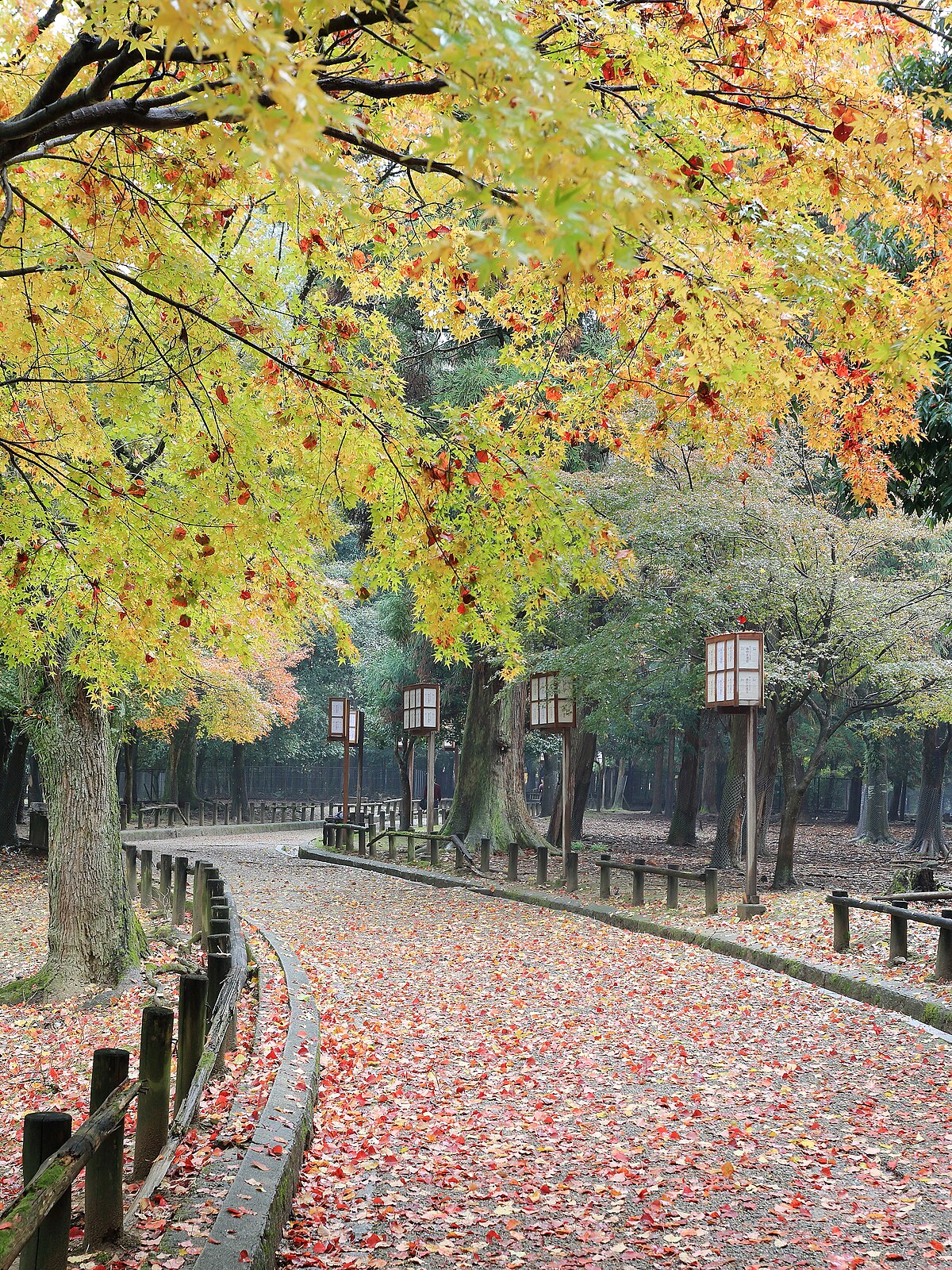
Nara Park is a vast urban park located in the center of Nara City, Nara Prefecture. It is known for its approximately 502 hectares of land, where historical temples and shrines such as Todaiji Temple, Kasuga Taisha Shrine, and Kofuku-ji Temple coexist, as well as gardens and wild deer. The park's origins date back to the Meiji period, and it was established as a park in 1880 (Meiji 13). Nara was once the site of Heijo-kyo (710-794), and its great appeal lies in the many remaining landscapes and cultural assets of the ancient capital.
The most famous feature is the "Nara deer." Deer are considered messengers of the gods of Kasuga Taisha Shrine and have been loved by people for many years. "Shika crackers," specially made to be fed to the deer, are a local specialty, and visitors can enjoy interacting with them. Other major attractions include the stately architecture of the Great Buddha Hall of Todaiji Temple and Kasuga Taisha Shrine, as well as the natural scenery that changes with the seasons (cherry blossoms, fresh greenery, autumn leaves).
Highlights
- Todaiji Temple (Great Buddha Hall): The Great Buddha Hall, one of the largest wooden buildings in the world, and the Great Buddha of Nara (Rushana Buddha). The interior of the hall is majestic, and many national treasures and important cultural properties are preserved.
- Kasuga Taisha Shrine: A shrine with a vermilion-lacquered main building and numerous stone and hanging lanterns. A place where faith and nature of the ancient capital coexist in harmony.
- Kofuku-ji Temple: A temple that houses a five-story pagoda and an Ashura statue (national treasure). The reconstruction of the Chukondo hall makes it even more impressive.
- Nara deer: Wild deer roam freely within the park. They will approach you if you give them some deer crackers, but you should be careful about how you feed them.
- Nara National Museum: This museum exhibits Nara's cultural assets, focusing on Buddhist art. Special exhibitions are frequently held.
- Isuien Garden, Ginshoin Temple, and the Kasugayama Primeval Forest area: Enjoy the tranquil scenery in the quiet Japanese garden and walking paths.
- Mount Wakakusa (mountain burning): From the summit you can get a panoramic view of Nara city and the Great Buddha Hall. The Wakakusa Yamayaki (mountain burning) held every January is a famous event.
Access (nearest station, transportation, etc.)
- Nearest station: Kintetsu Nara Station (5-10 minute walk to the south side of the park), JR Nara Station (20-30 minute walk or 10 minute bus ride)
- From Osaka: Kintetsu Nara Line (approximately 30-40 minutes by express train from Osaka-Namba or Kintetsu-Namba Station to Kintetsu Nara Station), JR Kansai Main Line (approximately 45 minutes by Yamatoji Rapid)
- From Kyoto: Kintetsu Kyoto Line (approximately 35-40 minutes by express train to Kintetsu Nara), JR Nara Line (approximately 45 minutes from Kyoto to Nara, transfers required)
- From Kansai International Airport: Accessible by train (Kansai Airport Rapid or Nankai Electric Railway, Kintetsu, and JR) or limousine bus. Travel time is around 1.5 hours depending on connections.
- Moving around the park: The basic approach is to explore on foot. Major tourist attractions are concentrated within walking distance. If you have a lot of luggage or are elderly, it is convenient to use a sightseeing bus, taxi, or sightseeing bus.
Estimated stay (estimated time required)
- Quick tour: 2-3 hours (mainly to see Todaiji Temple and the surrounding deer)
- If you want to leisurely visit the main spots: Half a day (3-5 hours)
- If you want to take your time to visit temples, shrines, museums, and gardens: 1 day (6-8 hours)
- If you want to enjoy photography, strolling, and dining at your leisure, we recommend the full-day plan.
Nearby spots
- Kofuku-ji Temple (National Treasure Museum) — Right next to Nara Park
- Naramachi — an area filled with old townscapes, cafes, and souvenir shops
- Heijo Palace Ruins (Heijokyo Ruins) — A little far away, but recommended for a historical stroll
- Yakushiji Temple and Toshodaiji Temple — Nishinokyo Area (Easy to get around by car or bus)
- Nigatsudo and Sangatsudo (at the back of Todaiji Temple) — Viewpoints in Nara
Things to be aware of (crowds, manners, seasonal precautions, etc.)
- congestion: The area is extremely crowded during the cherry blossom season in spring, Golden Week, autumn foliage season, New Year's holidays, consecutive holidays, and the Wakakusayama burning season. Visiting early in the morning or in the evening will keep the area relatively quiet.
- Deer Manners: Deer are generally docile, but they may tug at or bite clothes or bags in an attempt to get food. When giving deer crackers, hold them firmly with both hands and do not take your eyes off children. Do not give deer anything that should not be eaten (other than human food or paper).
- Safety measures: Accidents can occur due to deer antlers or kicks. Be careful not to get too close, especially during the breeding season (mainly from autumn to early winter), as some deer can become aggressive.
- Clothing and ease of walking:The grounds are large and there are ups and downs and unpaved areas, so we recommend wearing comfortable walking shoes. It is hot in the summer and cold in the winter, so please dress appropriately for the season.
- Handling of cultural properties: Temples and shrines are also places of worship. There are areas where photography is prohibited and there are viewing rules (admission fees and photography restrictions), so please follow the signs and instructions of the staff.
- Garbage and Environmental Conservation: It is important to preserve the natural environment and cultural assets within the park. Please be sure to take your trash with you or dispose of it in designated areas, and do not damage the natural environment or facilities.
- Event-based restrictions: There may be restrictions on access, heavy congestion, and traffic restrictions due to events such as the burning of Wakakusayama and religious events. It is best to check the event information before visiting.
Nara Park is a unique tourist destination where history, nature, and animals come together. Please take your time and stroll around the park while observing proper etiquette.