Overview (history, characteristics, attractions)
Amanohashidate is a 3.6km long sandbar (a narrow strip of land made of accumulated sand) located in Miyazu City, Kyoto Prefecture. It is a scenic spot that is counted as one of the Three Most Views of Japan. It appears in ancient texts such as the Kojiki and Nihon Shoki, and is deeply connected to mythology and classical literature.
A distinctive feature of this bridge is the long, narrow sandbar lined with pine trees stretching across Miyazu Bay, giving it the appearance of a "bridge spanning the sky." The view from the high ground on the opposite shore (Kasamatsu Park, Amanohashidate View Land, etc.) is particularly famous, and you can enjoy the bridge spanning the sky by looking upside down using a unique viewing technique called matanozoki (looking between your legs).
In addition to the beautiful natural scenery, the attractions of the area include the ease of crossing the sandbar on foot or by bicycle, the variety of sightseeing routes available by boat or cable car, and the ability to enjoy the surrounding ancient temples and historical sites (Kago Shrine, Chionji Temple, etc.) and seafood.
Highlights
– A walk along the sandbar (pine trees) of Amanohashidate: Approximately 3.6 km in total. Approximately 30-60 minutes on foot, or 15-30 minutes by bicycle. Enjoy the breeze passing through the pines and the ocean views.
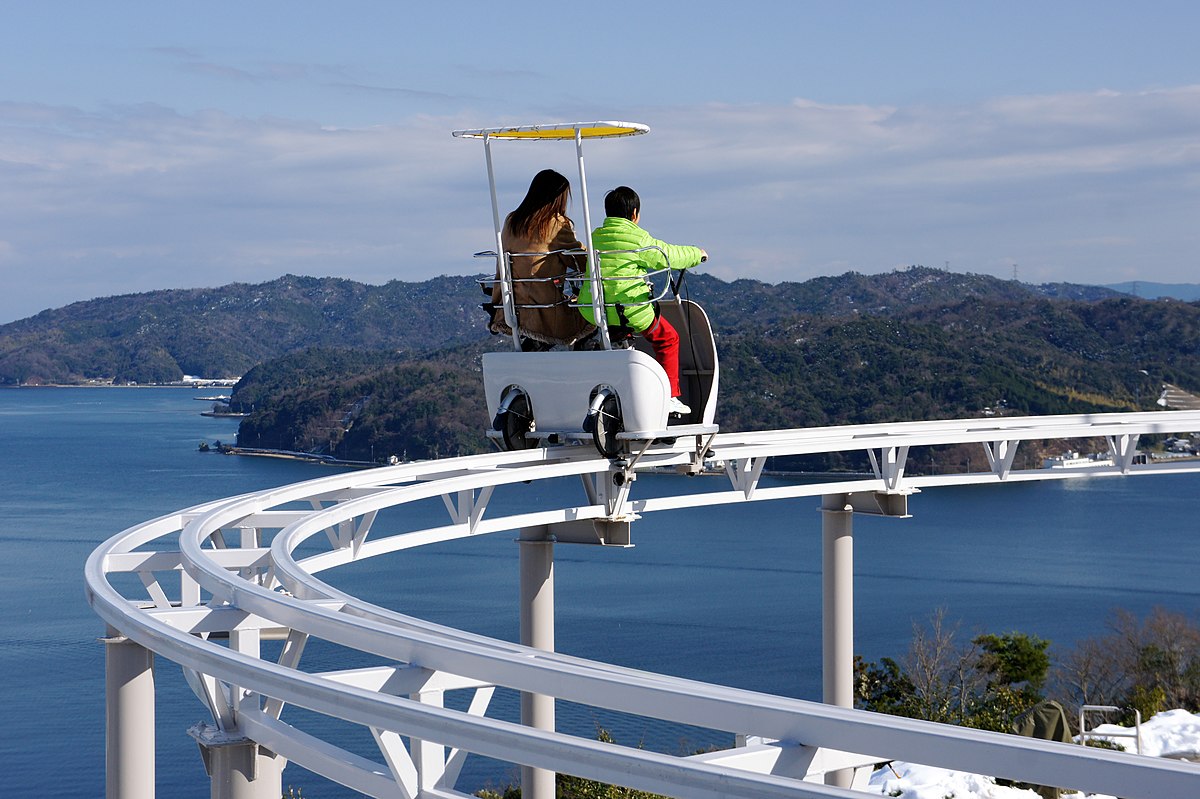
– Kasamatsu Park (or Amanohashidate View Land): Located on a hill on the opposite bank, this observation spot is said to be the birthplace of the "matanozoki" (looking through the gaps between legs). You can reach the top by lift or cable car. The views change with the seasons (fresh greenery, autumn leaves, and snowy scenery).
- Chionji Temple: An ancient temple with a five-story pagoda and other historical buildings, it is perfect for worship and strolling.
- Konojinja Shrine (Motoise): A shrine that has attracted worshippers since ancient times and is associated with mythology and history.
- Sightseeing boats and ferries: There are sightseeing boats that tour Miyazu Bay and ferries that cross the sandbar (convenient for short trips that avoid having to walk around). It is also recommended to see Amanohashidate from the sea.
- Beaches and swimming (summer): There are beaches and places to enjoy marine activities around the sandbar.
- Local cuisine: Enjoy dishes made with fresh seafood from the Sea of Japan (crab, yellowtail, etc.) and other local seafood.
Access (nearest station, transportation, etc.)
– Train + bus (typical route)
From Kyoto: Take a limited express train (such as the Hashidate) from JR Kyoto Station for about two hours, or travel from Kyoto to Miyazu via Fukuchiyama. The nearest stations are Amanohashidate Station or Miyazu Station. Routes and travel times vary depending on the train, so it's recommended to check the timetable in advance.
From Osaka: Transfer to a limited express or rapid train from Osaka Station or Tennoji, and the journey takes approximately 2-3 hours (varies depending on the train).
– car
– Access via public roads such as Miyazu Amanohashidate IC via the Meishin and Maizuru-Wakasa Expressways. There are several paid parking lots around the tourist area, but they may be full during peak seasons.
– Air + Land
– Travel from the nearest airport by rental car or public transportation. Access from the Kansai area (Itami/Kansai) is common.
– Transfer between facilities
– The sandbar at Amanohashidate can be easily crossed on foot, by rental bicycle, or by rental electric assist bicycle. To reach the observation point on the opposite shore, you can use a sightseeing boat, lift, or cable car.
- Note: Route names and operation status may change, so please check the latest timetables and operation information for JR, private railways, route buses, etc. before departing.
Estimated stay (estimated time required)
- Just a quick look: 30 minutes to 1 hour (view from the observation deck only)
– Round trip walk and photography on the sandbar: 1.5 to 2 hours
– Half-day tour including observation deck, Chionji Temple, Kago Shrine, and sightseeing boat: 3 to 4 hours
– One-day sightseeing including nearby restaurants, beach walks, and other attractions (such as the boathouses of Ine): 6 to 8 hours or more
- Stay overnight and enjoy leisurely sightseeing: 2 days and 1 night (Enjoy the tranquil scenery after sunset or early morning, and sightseeing in the surrounding area the next day)
Nearby spots
- Konojinja Shrine: A shrine that conveys ancient beliefs and is perfect for a historical stroll.
– Chionji Temple: An ancient temple located near Amanohashidate.
– Ine Funaya (Ine Town, Tango): A group of traditional boathouses lined up along the sea, within a 30-60 minute drive (a popular tourist route).
– Miyazu Castle Ruins Park: A historical spot in the city.
– Amanohashidate Winery, local markets and seafood direct sales stores: Experience local ingredients.
- Nearby hot springs and inns: There are also hot spring inns scattered around the area where you can relax after sightseeing.
Things to be aware of (crowds, manners, seasonal precautions, etc.)
– Crowded
– Golden Week, summer beach season, autumn foliage season, and New Year's holidays are extremely busy. If you want to avoid crowded parking lots, trains, and tourist facilities, consider visiting on weekdays or in the early morning or evening.
- Manners
– The sandbar is a natural landscape, and it is important to protect the rows of pine trees and other vegetation. Please observe etiquette, such as not damaging the vegetation and always taking your trash home or disposing of it in designated areas.
– When visiting temples and shrines, please follow proper etiquette (clap your hands, wash your hands, etc.) and be quiet.
– Safety
– When cycling, give priority to pedestrians. Slow down in narrow areas or when the road is crowded. Be careful when cycling at night as there may be places with poor lighting.
– Coastal areas can be dangerous on windy or stormy days. Please check the weather and do not push yourself too hard.
- Seasonal precautions
– In winter, there may be strong winds, cold weather, and snow accumulation, which can reduce visibility. Please prepare clothing and shoes appropriate for the season.
– The sun is strong in the summer, so don't forget to take precautions against sunburn and stay hydrated.
– Filming/Drone
– Flying drones is subject to regulations and safety concerns, so please check with the relevant local authorities and facilities for permission beforehand.
– Check local information
– Transportation operations, opening hours of observation facilities, and event information may change depending on the season, so we recommend checking the latest information on the official website or tourist information center before setting off.
By taking the above into consideration and planning your sightseeing trip based on the season and your physical condition, you will be able to enjoy the natural beauty and historical atmosphere of Amanohashidate to a greater extent. If necessary, we will also create recommended itineraries for each season (spring, summer, autumn, winter) and model courses. What kind of stay would you like?