Kenrokuen Garden (Kanazawa City, Ishikawa Prefecture) — Overview (History, Features, and Attractions)
Kenrokuen Garden, located in Kanazawa City, Ishikawa Prefecture, is one of Japan's leading strolling daimyo gardens, and is one of the "Three Great Gardens of Japan," alongside Korakuen Garden in Okayama and Kairakuen Garden in Mito. Developed by the Maeda family (Kaga Domain) since the Edo period, it has a history of around 300 years. Its name comes from the fact that it combines six outstanding landscape elements: vastness, seclusion, human-powered beauty, ancient beauty, spring water, and beautiful views.
The area is attractive for its landscape, which skillfully blends natural and artificial elements (stonework, ponds, hills, teahouses, etc.), its changing seasonal appearances, and its snow hangings and nighttime illuminations (limited time only), and attracts many tourists from Japan and abroad every year.
Highlights
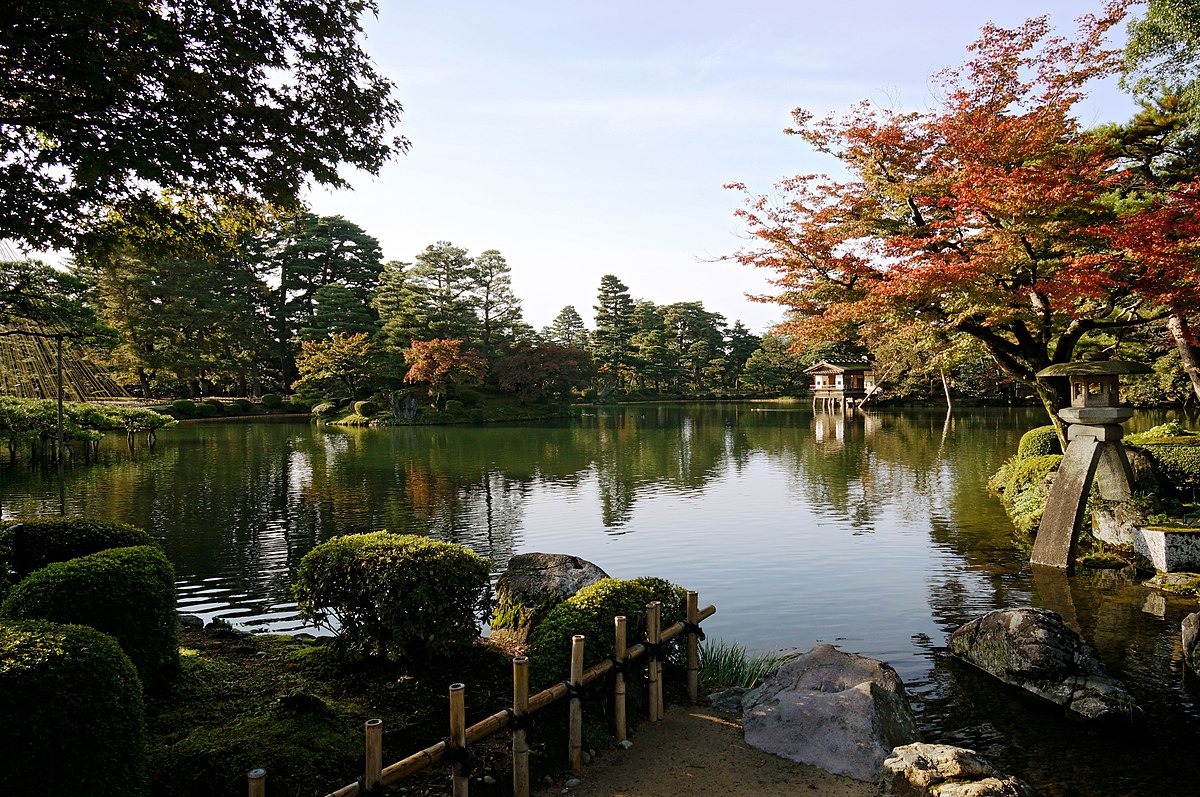
- Kotoji Lantern: Kenrokuen's iconic two-legged stone lantern. Located on the banks of Kasumigaike Pond, it is a popular photo spot.
- Kasumigaike Pond: The largest pond in the park. You can enjoy the scenery that blends in with the surrounding hills and bridges (Tsubame Bridge, Ganko Bridge, etc.).
- Karasaki Pine / Axis Stone: You can see old pine trees and the snow hangings (winter protection techniques) that support them.
- Gardens around Uchihashitei and SeisonkakuThe combination of teahouses, historical buildings and gardens retains the atmosphere of the Edo period.
- Tsukimi Bridge (Engetsu Bridge) and Ganko Bridge: A scenic spot on the circular route around the pond. The scenery reflected in the pond is beautiful.
- Seasonal highlights: Cherry blossoms and fresh greenery in spring; deep greenery and coolness in summer; autumn leaves in fall; snow scenery and hanging yukitsuri in winter. Nighttime illuminations (during cherry blossom viewing and autumn leaf seasons, etc.) are also often held.
Access (nearest station, transportation, etc.)
- Nearest station: JR Kanazawa Station (main terminal). Accessible from Kanazawa Station by public transport or on foot.
- busFrom the east exit of Kanazawa Station, take the "Castle Town Kanazawa Loop Bus" or Hokuriku Bus to the "Kenrokuenshita/Kanazawa Castle Park" bus stop, then walk for a few minutes. The journey time is approximately 10 to 15 minutes, depending on road conditions.
- Walking: It's about a 20-30 minute walk (about 2km) from Kanazawa Station. It's also recommended to combine sightseeing with walking.
- Taxis and rental bicycles: Approximately 10 minutes by taxi. Kanazawa is also convenient for sightseeing by bicycle, and there are bicycle rental stations around the park.
- parking: Paid parking is available around Kenrokuen and Kanazawa Castle Park. Due to limited parking, public transportation is recommended during peak seasons.
- remarks: Opening hours, special illuminations, and admission fees vary depending on the season and events, so please check the official website in advance.
Estimated stay (estimated time required)
- Quick tour: 30-45 minutes (focus on taking photos of the main sights)
- Standard sightseeing: 1-2 hours (including walking around the pond, stopping at a teahouse, and taking photos)
- Leisurely viewing: 2-3 hours (combining a stroll around the garden with a visit to the adjacent Kanazawa Castle Park and Seisonkaku)
Nearby spots
- Kanazawa Castle Park: Adjacent to Kenrokuen Garden, you can visit both the castle and the garden.
- 21st Century Museum: A popular spot for contemporary art. About a 15-20 minute walk from Kenrokuen Garden.
- Higashi Chaya District and Kazuemachi Chaya District: Enjoy souvenirs and Japanese cafes in the traditional teahouse district (around 10 minutes by car, or you can also walk or take the bus).
- Nagamachi Samurai Residence Site: A preserved samurai residence townscape, perfect for a historical stroll.
- Omicho Market: A seafood and local food market. Convenient for sightseeing and dining.
Things to be aware of (crowds, manners, seasonal precautions, etc.)
- congestion: The park is extremely crowded during the cherry blossom season in spring, the autumn leaves, Golden Week, and the New Year holidays. Early mornings (right after opening) and weekdays are relatively quiet.
- Opening hours and admission fees: Opening times and nighttime opening times (illumination) vary depending on the season. Admission fees and opening hours may change, so please check official information.
- Clothing and walking:The park has many stone pavements, slopes, and steps. We recommend wearing comfortable walking shoes. Be careful as the grounds can become slippery in rainy weather and in winter.
- Yukitsuri and winter: The snow hangings in winter are a sight to behold, but it is essential to take precautions against the cold. It is a good idea to bring shoes and walking aids that are suitable for walking on snowy roads.
- Manners:Entering the grass or plantings, and writing graffiti on or climbing on stone structures are strictly prohibited. Please refrain from eating, drinking, or leaving trash outside of designated areas. Photography is generally permitted, but please be considerate and not disturb other visitors.
- Pets: There may be restrictions on whether pets are allowed inside the park, so please check in advance if you plan to bring your pet with you (there are usually restrictions on access to the park).
- Use of drones, etc.: Flying drones and using unauthorized filming equipment within the park is prohibited in principle.
Finally, Kenrokuen is a famous garden that changes with the seasons. Before you visit, check the official website for opening hours and event information (such as illuminations, best time to see the autumn leaves, and the period for yukitsuri decorations) to help you plan your visit.