Overview (history, characteristics, attractions)
Sawara (Katori City, Chiba Prefecture) is an area where the scenery of a town that prospered through water transportation and commerce since the Edo period is well preserved, with old merchant houses, storehouses, and white plaster-walled buildings lined along the Ono River. The town is also known as "Water Town" (Suinosato), and is characterized by the strong remnants of its development as a river-based artery for daily life and logistics. Because of its Edo-period atmosphere, it is sometimes called "Little Edo," and its cultural assets, old houses, and traditional festivals (Sawara Grand Festival) are all tourist attractions. It is also a popular spot for history buffs, with the former home and memorial hall of Ino Tadataka, an Edo-period mapmaker known for his precise surveying.
Highlights
- Strolling through the streets of Onogawa: A street lined with white-walled storehouses and merchant houses with lattice doors. The scenery along the river changes with the seasons, and there are many photo spots.
- River tour (boat tour): A river cruise on a small boat or houseboat. You can view the townscape, bridges, and willow trees from the boat (operations depend on the season and weather).
- Ino Tadataka Former Residence and Ino Tadataka Memorial Museum: A facility associated with the Edo period surveyor, Ino Tadataka. Learn about his achievements through original materials and restored exhibits.
- Touring townhouse cafes and souvenir shops: You can enjoy local flavors and crafts at cafes, souvenir shops, soy sauce breweries, and other establishments that have been renovated from old merchant houses.
- Sawara Grand Festival (Dashi Festival): A spectacular parade of floats held in summer and autumn. This traditional local event attracts many spectators (the date may change from year to year).
Access (nearest station, transportation, etc.)
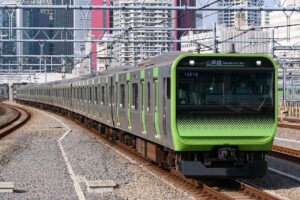
- Nearest station: Get off at JR Narita Line's Sawara Station. From the station, it's about a 10-15 minute walk to the town (depending on distance and walking speed).
- Main travel times by trainFrom Tokyo, it takes about 1-2 hours by JR (depending on connections and train type). There are also connections from Narita Airport.
- car: It is easily accessible from the Higashi-Kanto Expressway and the Ken-O Expressway, and is close to Katori IC. There are paid parking lots and tourist parking lots within the town, but they may be full during peak seasons.
- Buses and taxis: A short taxi ride from Sawara Station. We recommend checking the surrounding area for information on shuttle buses and tourist information centers.
Estimated stay (estimated time required)
- Short walk: about 1 hour (just to get a feel for the atmosphere of the main streets)
- Standard sightseeing: 2-4 hours (including river tour, visit to the Ino Tadataka Memorial Museum, meals, and souvenir shopping)
- Lengthy stay: Half a day to a full day (including visiting nearby shrines, museums, and sightseeing spots outside the area)
Nearby spots
- Katori Shrine: A historic shrine that can be accessed by car or bus from Sawara and is known as a power spot.
- Suigo region (surrounding waterways)The surrounding area is a water town, where you can enjoy sightseeing that makes the most of nature and the waterways.
- Sawara Grand Festival Hall and Regional Museum: A facility with permanent exhibitions on festivals and the town's history (please check the name and opening hours in advance).
- Nearby hot springs and day-trip facilities: There are hot springs and bathing facilities within driving distance, so you can relax after sightseeing.
Things to be aware of (crowds, manners, seasonal precautions, etc.)
- congestion: The area gets extremely crowded during the Sawara Grand Festival (usually held in summer or autumn), long weekends, and cherry blossom viewing seasons. Please check the information in advance as there are traffic restrictions and limitations during festivals.
- River cruise operation status: Operations are subject to the season, weather, and water levels. Services may be suspended in winter or canceled during high water levels, so please check the shipping company's information in advance.
- Manners in the town: Many of the streets are still used as residences or shops. Please be considerate when taking photos and avoid entering private property or residential areas. There are many narrow alleys, so be careful of collisions with bicycles and cars.
- Garbage and smokingOutdoor trash cans are often limited, so please take your trash home or dispose of it in designated areas. Please refrain from smoking while walking on narrow streets.
- Seasonal clothing and climate: It is hot and humid in the summer, and you will need to prepare for the crowds and heat during festivals. In the winter, it can be very cold, so be sure to dress warmly. In rainy weather, the roads can be slippery, so be careful when walking.
Before visiting, it's a good idea to check the opening hours, event schedules, and transportation information at the tourist information center or official website. Take a leisurely stroll through the charming townscape and experience the water-based lifestyle and culture that has continued since the Edo period.