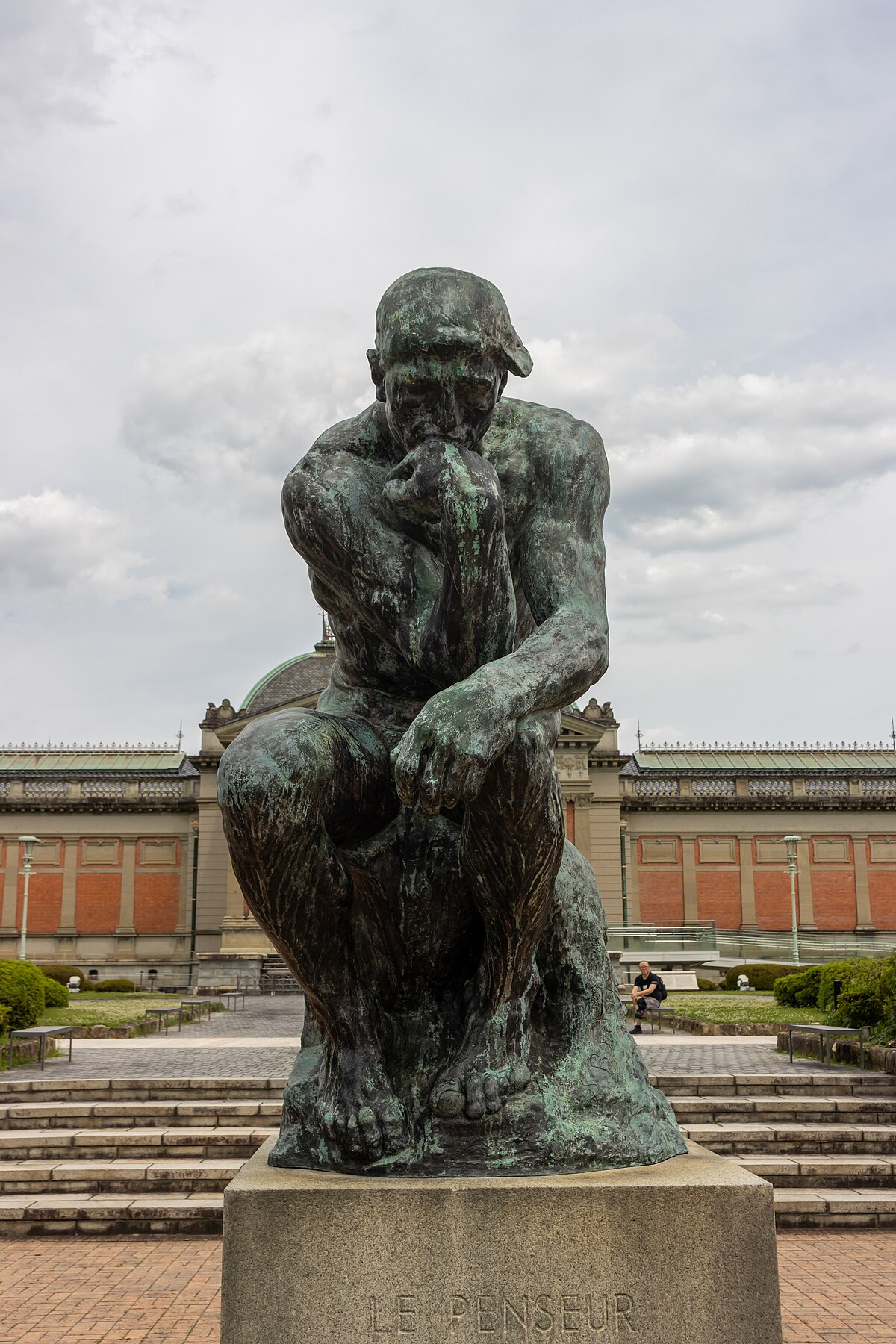
Kyoto National Museum (Higashiyama Ward, Kyoto City, Kyoto Prefecture)
Overview (history, characteristics, attractions)
Kyoto National Museum is one of the leading museums for Japanese art in the ancient capital of Kyoto, and houses and displays a wide range of collections, including antique art, crafts, archaeology, and calligraphy. Built in the former main building (Meiji architecture) established during the Meiji period, the museum has recently added modern exhibition facilities, hosting numerous exhibitions that systematically showcase masterpieces, including Important Cultural Properties and National Treasures. The museum's appeal lies in the harmony between its historic architecture and modern exhibition space, as well as the opportunity to gain an in-depth understanding of the history of Japanese art through special exhibitions and collection exhibitions that change seasonally.
Highlights
- Masterpieces of the class of national treasures and important cultural properties: You can see masterpieces from each era, including Buddhist statues, paintings, calligraphy, tea ceremony utensils, lacquerware, ceramics, and more.
- Special Exhibitions: Large-scale themed exhibitions are held regularly, and include the display of preserved masterpieces and other notable items that are not normally on display.
- Former Main Building (Meiji Classical Building): The stately Western-style architecture from the Meiji period is itself a highlight, and you can enjoy the design and atmosphere of the building (designated an Important Cultural Property).
- Permanent Exhibition: The exhibition is structured to provide an overview of the history of Japanese art, and explanations are provided that are easy to understand even for first-time visitors.
- Museum Shop and Cafe: A convenient place to take a break, with a wide selection of exhibition catalogs, reproductions, and souvenirs.
Access (nearest station, transportation, etc.)
- Nearest public transportation: Kyoto City Bus, get off at "Museum/Sanjusangendo-mae" (many buses from Kyoto Station).
- Keihan Railway: Approximately 10-15 minutes on foot from Shichijo Station on the Keihan Main Line (varies depending on the route).
- JR: From JR Kyoto Station, it is about a 5-10 minute bus ride or a 20-30 minute walk.
- Taxi: Approximately 10 minutes by taxi from Kyoto Station (depending on traffic conditions).
- Private car/parking: As the surrounding area is a tourist destination and can be crowded, we recommend using public transportation. Parking spaces are limited, so please check in advance.
*Bus route numbers (e.g. 100, 206, etc.) may change depending on the season or operating schedule. Please check the official website or transportation information for the latest routes and timetables.
Estimated stay (estimated time required)
- Permanent exhibition only: approximately 1 to 1.5 hours
- Permanent exhibition + special exhibition: 2-3 hours (more time depending on the size of the special exhibition)
- If you take your time to enjoy the exhibits, use the audio guide, and visit the museum shop, it will take about 3 hours.
Nearby spots
- Sanjusangendo (Rengeoin): Right next to the museum. Famous for its thousand Kannon statues.
- Kiyomizu-dera area (Kiyomizu-dera, Ninenzaka, Sannenzaka): Tourist attractions within walking distance. Enjoy a stroll through the Kyoto-style streets.
- Gion and Yasaka Shrine: Famous for its traditional townscape, restaurant district, and festival venue.
- Higashiyama temples and shrines such as Kenninji, Yogenin, and Kodaiji: This area is full of artistic attractions.
Things to be aware of (crowds, manners, seasonal precautions, etc.)
- Crowds: The museum sees a lot of visitors during the cherry blossom season in spring, the autumn foliage season, Golden Week, and the New Year holidays. Special exhibitions can also be crowded, so we recommend purchasing tickets online in advance or visiting right after opening.
- Photography: As a general rule, photography is prohibited inside exhibition rooms (whether photography is permitted or not varies depending on the exhibition). Even in exhibitions where photography is permitted, the use of flash or tripods is often prohibited, so please follow instructions.
- Manners: Please be considerate of other visitors by not touching the exhibits, viewing the exhibits quietly, and turning your mobile phone on silent mode.
- Climate and clothing: The exhibition rooms are temperature and humidity controlled, but the museum is large, so we recommend wearing comfortable clothing and shoes. If you are moving around outdoors, be sure to prepare for the weather.
- Baggage/large luggage: Large suitcases may not be allowed on board or may have to be left in the cloakroom. It is best to check in advance.
- Barrier-free: The main exhibition rooms are accessible by elevator, but there are some steps in the old main building and other areas. If you require wheelchair access or assistance, please contact the museum in advance.
Before visiting, we recommend checking the official website for information such as exhibit details (whether there will be special exhibitions or not, and crowd information), opening hours, admission fees, and whether audio guides are available.