
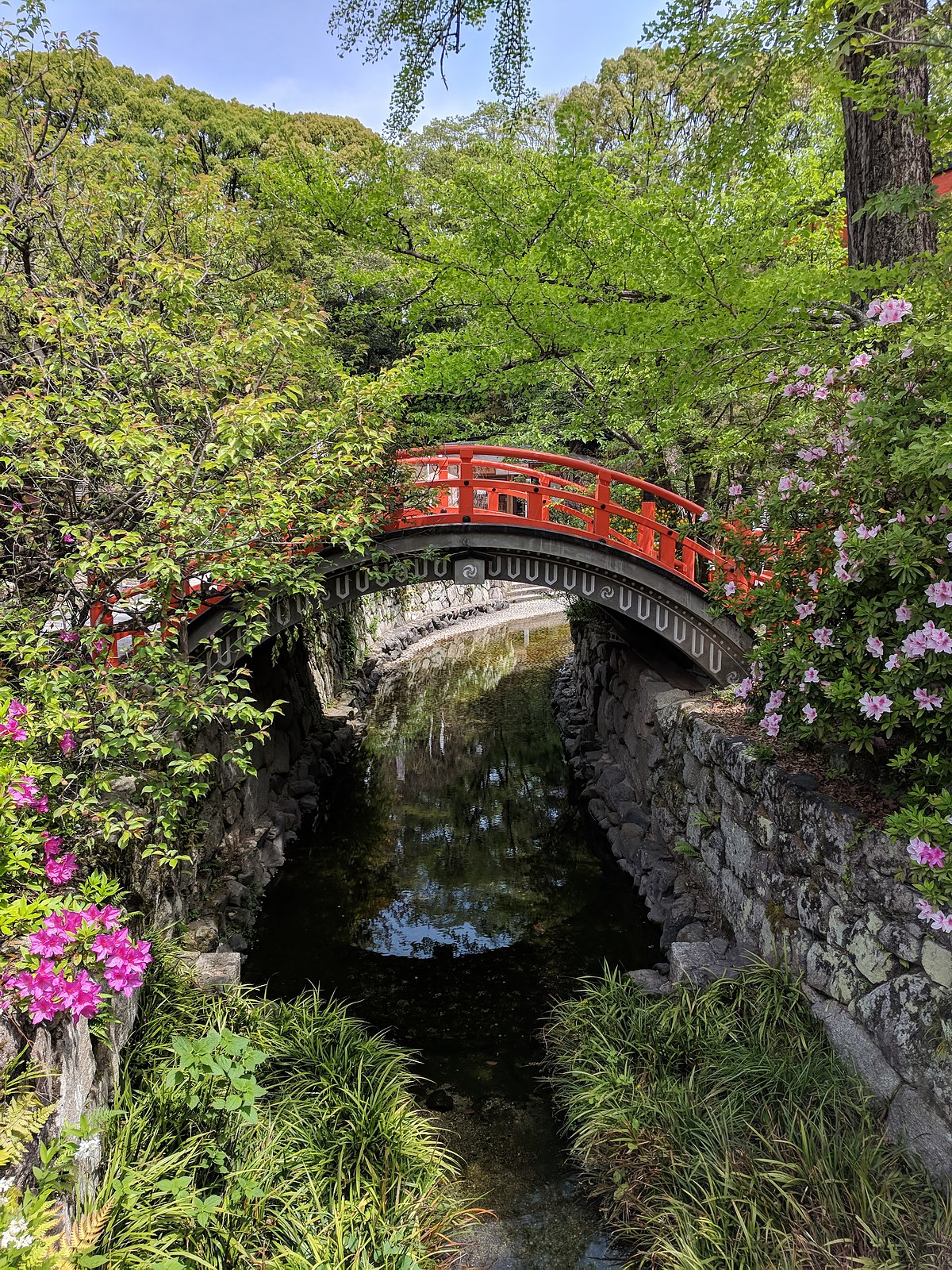
Overview (history, characteristics, attractions)
Shimogamo Shrine (official name: Kamo Mioya Shrine) is an ancient shrine located in Sakyo Ward, Kyoto City, and is one of the oldest shrines in Kyoto. The shrine enshrines the guardian deity of the Kamo clan, and has long been revered as the center of protection and rituals for the capital. The shrine grounds, surrounded by a vast evergreen forest called Tadasu no Mori, are a precious natural landscape remaining in the heart of the city, and in 1994 it was registered as a World Heritage Site as one of the "Cultural Monuments of Ancient Kyoto."
The shrine's architecture and festivals are also worth seeing, and the Aoi Festival (Kamo Festival) held every May is particularly famous as one of Kyoto's three major festivals. The shrine retains a strong ancient atmosphere with its vermilion-lacquered main building, moss-covered approach, and pure mitarashi (water basin).
Highlights
- Tadasu no Mori Forest: A vast virgin forest. The nature changes with the seasons, making it a great place to simply stroll around. It is especially beautiful during the seasons of fresh greenery and autumn leaves.
- Main hall, tower gate, shrine architecture: A group of ancient shrine buildings, some of which are designated as important cultural properties.
- Mitarai Pond and Mitarai Shrine: This is a pond where clear water springs up, and during the Mitarashima Festival held in the summer, worshippers step into the pond to pay their respects.
- Kawai Shrine: A branch shrine of Shimogamo Shrine, it is popular for its "beauty prayer" votive plaques (mirror votive plaques). It is an especially popular spot among female worshippers.
- Aoi Festival Stage: This shrine is the base for the ritual implements and processions related to the Aoi Festival, and the atmosphere during the festival is breathtaking.
- Treasure Hall/Data Exhibition: Exhibitions related to sacred treasures and the history of the shrine are sometimes held (opening times vary depending on the season).
Access (nearest station, transportation, etc.)
- Nearest station: About a 10-15 minute walk from Demachiyanagi Station on the Keihan and Eizan Electric Railways. The easiest route to get to the shrine is to head south along the Kamo River from the Demachiyanagi area on the Eizan line.
- Bus: Take the Kyoto City Bus to the Shimogamo Jinja-mae bus stop (travel time varies depending on the route). From Kyoto Station, it takes approximately 30 to 40 minutes by city bus.
- By car: There is a paid parking lot around the temple grounds, but the number of spaces is limited. It can be difficult to use during busy times, so we recommend using public transportation.
- Walking route: It is accessible on foot from Kamogawa Delta (near Demachibashi), so it is convenient to combine it with a stroll around Demachiyanagi.
- Address (reference): 59 Shimogamo Izumigawa-cho, Sakyo-ku, Kyoto City, Kyoto Prefecture (Please check the official website for opening hours and other information before visiting)
Estimated stay (estimated time required)
- Short visit: 30-45 minutes (only visit to the main shrine and major sights)
- Leisurely stroll: 1-2 hours (walking around Tadasu no Mori Forest, visiting Kawai Shrine, taking photos)
- If you want to take your time to look at the festivals and exhibits: 2 hours or more (depending on the season)
Nearby spots
- Demachiyanagi/Kamogawa Delta: Enjoy strolling and the riverside scenery at the confluence of the Kamo River.
- Kawai Shrine: A sub-shrine within the grounds of Shimogamo Shrine, popular for its beautiful prayers.
- Kyoto Prefectural Botanical Garden: A facility where you can enjoy seasonal flowers and a large garden (accessible on foot or by bus).
- Kamigamo Shrine: Another major shrine of the same Kamo-sha family. Accessible by car or bus (although they are a little far apart, many people visit both shrines).
- Demachi Shopping Street and Kawabata Street Area: There are many cafes, Japanese sweet shops, and other stores that you can stop by while strolling around.
Things to be aware of (crowds, manners, seasonal precautions, etc.)
- congestion: Festival days such as the Aoi Festival (early to mid-May) and the Mitarai Festival (summer) can be extremely busy. If you plan to see a festival, please arrive early and expect public transport to be crowded.
- Worship etiquette: The center of the torii gate is said to be the path for the gods, so it is common to avoid the center when praying. Please be considerate when praying by removing your hat and remaining quiet.
- photo shoot: Photography is permitted in most areas of the temple grounds, but photography may be prohibited during festivals, inside the shrine buildings, or in places where permission is not granted. Please follow the posted notices.
- Clothing and footwear: The walking trails in Tadasu Forest can become muddy when it rains. We recommend wearing comfortable shoes. If you plan to enter the Mitarai (watershed) area, please bring a change of clothes and shoes that you don't mind getting wet.
- Food, drink and garbage: The temple grounds are a quiet place. Please refrain from eating, drinking, or talking loudly, and be sure to take any trash home with you or dispose of it in the designated area.
- Pets: As with many shrines, there may be restrictions on bringing pets. Please check the official guidelines in advance.
Shimogamo Shrine is a representative spot in Kyoto where history and nature coexist in harmony. It changes with the seasons, so we recommend allowing yourself plenty of time to visit and stroll around.