
Overview (history, characteristics, attractions)
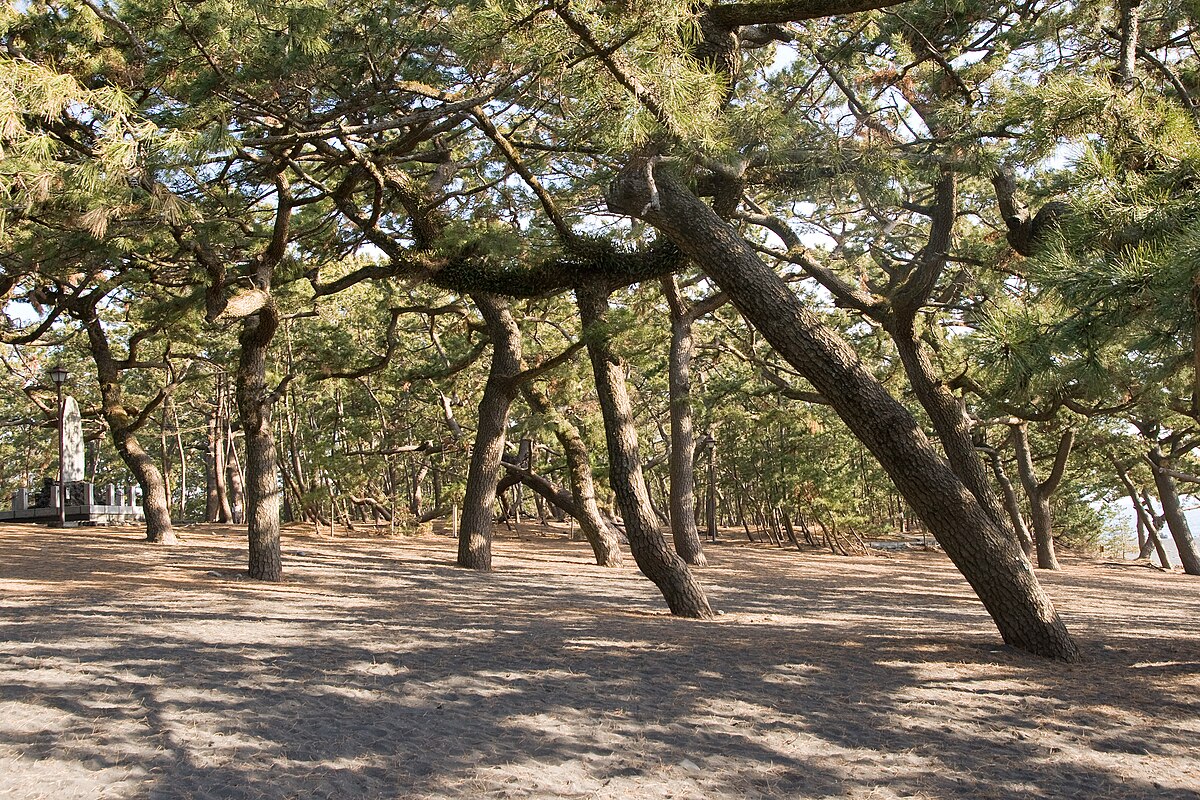
Miho no Matsubara is a scenic spot of pine forests and sandy beaches on the coast facing Suruga Bay in Shimizu Ward, Shizuoka City, Shizuoka Prefecture. It has long been known as the setting for the "Hagoromo Legend," which has been the subject of utamakura (traditional Japanese poems), waka (traditional Japanese poetry), Noh, and Kyogen (traditional Japanese plays), and the "Hagoromo Pine Tree" that stands in the center is particularly famous. In 2013, it was registered as a World Heritage Site as part of the cultural landscape centered on Mount Fuji, under the title "Mount Fuji - Sacred Site and Source of Artistic Inspiration." The harmonious scenery of Mount Fuji in the distance, the pine forest, and the sea attracts tourists.
Highlights
- Hagoromo Pine (Hagoromo Legend): A legendary pine tree on which a heavenly maiden is said to have hung her feather robe. The current pine tree is its successor, and there is also an explanatory board and a small shrine related to the legend.
- Pine forest walk: The promenade lined with black pine trees along the coast is a photogenic spot. Take a stroll while enjoying the sea breeze and the scent of pine.
- Views of Suruga Bay and Mt. FujiOn clear days, Mount Fuji is clearly visible on the opposite bank, and the scenery is particularly beautiful in the early morning and evening.
- Miho Shrine: A shrine connected to the legend of Hagoromo, where you can worship and listen to an explanation of the legend.
- Walking along the seaside and taking photos: There are plenty of photo spots to go down to the sandy beach and take photos from the water's edge, with the pine forest in the background.
Access (nearest station, transportation, etc.)
- Train + BusFrom Shizuoka Station or Shimizu Station on the JR Tokaido Main Line, take a Shizuoka City Bus or local bus bound for Miho, and get off at the bus stop "Miho no Matsubara" or "Miho Kaigan." The travel time from Shizuoka Station will vary depending on the boarding point and the bus, but it will take approximately 40 to 60 minutes.
- car: Accessible via national and prefectural roads from Shizuoka IC or Shimizu IC on the Tomei Expressway. Paid parking is available in the area (limited space available). Travel time varies depending on the departure point and traffic conditions.
- Bicycle/walkMany people come by bicycle from nearby accommodations or the Shimizu area, and can enjoy the seaside scenery as they travel.
- Points to note: Public transportation has limited service at certain times, so please check bus schedules in advance. Buses and parking lots can be crowded on weekends and during peak tourist seasons.
Estimated stay (estimated time required)
- Short trip (walk + photo): about 30-60 minutes
- If you take your time looking around (including visiting shrines, strolling, and taking photos): Approximately 1-2 hours
- Combining with nearby tourist attractions (Nihon-daira, Mt. Kuno, Shimizu Port, etc.): Half a day to a full day
Nearby spots
- Miho Shrine: A shrine related to the legend of Hagoromo. You can stroll around the grounds and pray.
- Shimizu Port (Shimizu Fish Market and Riverside Market): There are markets and restaurants where you can enjoy fresh seafood, making it the perfect place to stop by for some gourmet seafood.
- Nihondaira, Kunozan Toshogu Shrine: The view of Mt. Fuji and Suruga Bay from the ropeway and observation deck is famous (accessible by car).
- Satta Pass: Another scenic spot overlooking Mount Fuji across Suruga Bay. Recommended for combining with Miho.
Things to be aware of (crowds, manners, seasonal precautions, etc.)
- congestion: The park is crowded with tourists on weekends, consecutive holidays, during the summer, and on sunny days when Mount Fuji is clearly visible. Please be aware of crowded parking lots and buses.
- Manners: Please treat the pine forests and other plants that are subject to conservation with care, do not enter restricted areas, and always take your trash with you.
- Protection of the area around Hagoromo no Matsu: The legendary pine tree is a protected species, so touching or climbing it is prohibited. Please follow the explanatory signs and instructions.
- Weather/Clothing: There are many days with strong sea breezes, and it can be particularly cold in winter. Please dress appropriately for the season and take measures to protect yourself from the wind. Be careful as the water's edge can be slippery.
- How to see Mount Fuji: The visibility of Mt. Fuji changes greatly depending on the season and weather conditions. It tends to be easiest to see in the mornings from winter to early spring when the air is clear, but visibility can also improve depending on the time of day, morning or evening, and wind direction.
Miho no Matsubara is a tranquil scenic spot where history and nature intertwine. Please enjoy the scenery, which changes with the seasons and time of day, while also being mindful of the preservation of nature and culture when visiting.