Overview (history, characteristics, attractions)
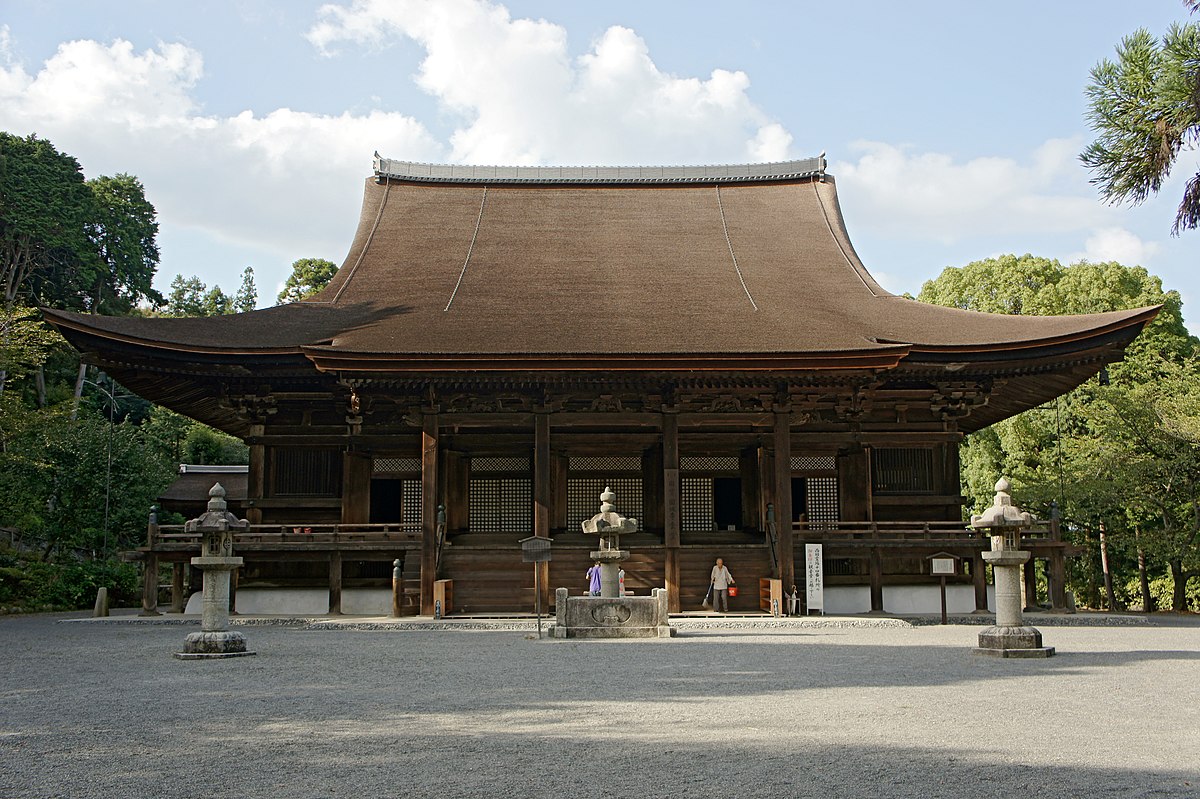
Mii-dera (Onjo-ji) is an ancient temple located in Otsu City, Shiga Prefecture, and has long been a place of worship for the Tendai sect. Its official name is Onjo-ji, but it is commonly known as Mii-dera, named after the three springs that are said to exist within its grounds. With a long history dating back to the Nara and Heian periods, it is one of the key stages in the history of Japanese Buddhism, with its relationship with Enryaku-ji Temple on Mount Hiei and the rise and fall of temple and shrine power in the Middle Ages.
The temple grounds are dotted with old Buddhist statues, architecture, and gardens, and are known as a famous spot for cherry blossoms and autumn leaves. There are also viewing spots overlooking Lake Biwa and the city of Otsu, making it an appealing place to enjoy both historical strolls and nature appreciation at the same time.
Highlights
- Main Hall and Other Halls: There are rows of ancient buildings, each housing a historic Buddhist statue or altar (each hall has its own admission fee and photography restrictions).
- Mitsui's famous water (legendary spring water): You can enjoy the legends surrounding the three sacred springs that gave the temple its name (there are places where you can actually see them and information boards available).
- Garden and grounds sceneryThe seasonal plantings are beautiful, especially the cherry blossoms in spring, the fresh greenery in early summer, the hydrangeas during the rainy season, and the autumn leaves. From the elevated area within the temple grounds, you can get a panoramic view of Lake Biwa and the cityscape of Otsu.
- Historical and Cultural Assets: The museum sometimes houses Buddhist statues, crafts, and ancient documents that are national treasures or important cultural properties, and you can view these valuable collections during special exhibitions and public viewings.
- Bell tower and temple bellThe bell tower and temple bell, which give a sense of the temple's long history, are symbols of the temple (you can also experience the bell ringing and memorial services held throughout the year).
Access (nearest station, transportation, etc.)
- train: Approximately 3-7 minutes on foot from Miidera Station on the Keihan Railway Ishiyama Sakamoto Line. This is the most convenient and easy access.
- JR: Get off at Otsu Station on the JR Biwako Line (Tokaido Main Line), then take a bus or walk (about 20-30 minutes on foot, 10-15 minutes by bus or taxi). From Kyoto, it takes about 10 minutes by JR train to get to Otsu.
- car: Approximately 15-25 minutes from Otsu IC on the Meishin Expressway (depending on road conditions). There is a parking lot near the temple grounds, but the number of spaces is limited, so we recommend using public transportation during peak periods.
- othersDuring the tourist season, it is convenient to use sightseeing buses and local buses that combine the trip with other sightseeing spots in the area (Lake Biwa, Ishiyama-dera Temple, Mount Hiei).
Estimated stay (estimated time required)
- Light worship and stroll: 30-45 minutes
- A leisurely look at the main temples and gardens: 1 to 1.5 hours
- Full course including the collections, exhibitions, and surrounding attractions: 2-3 hours
Nearby spots
- Lake Biwa (shore walks and cruises) — Accessible on foot or a short drive.
- Ishiyama-dera Temple — A temple associated with Murasaki Shikibu, accessible by public transportation from Mii-dera Temple.
- Enryakuji Temple on Mount Hiei — A historically significant temple that can be reached by cable car or other means.
- Otsu City (Around the Old Tokaido Road) — Home to historic buildings, restaurants, and souvenir shops.
Things to be aware of (crowds, manners, seasonal precautions, etc.)
- Visitor etiquette: Temples are religious facilities. Please observe basic etiquette, such as not making loud noises, following instructions inside the temple, and refraining from taking photos in designated areas.
- Admission fees and opening hours: Each hall and exhibit may require an admission fee. There are opening hours, temporary closures, and special opening periods (such as treasure exhibitions), so it's best to check the official website or local guide before visiting.
- congestion: The cherry blossoms (spring), hydrangeas (early summer), and autumn leaves (autumn) seasons can be very busy. If you want to avoid the crowds, we recommend visiting early in the morning on a weekday.
- Feet and stamina: The temple grounds have many slopes and stairs, which can become slippery in rainy weather. Please wear comfortable shoes, bring rain gear, and take precautions against the heat and cold. Some areas may be difficult for wheelchairs and strollers.
- Moving around:If you are using public transportation, be sure to check the number of services and the last departure time. Public transportation is particularly limited at night, so be sure to check your return trip plans in advance.
(Note) If there are any special events or special openings on the day, the attractions and crowds may be different than usual. Please be sure to check the official Mii-dera Temple website or the Otsu City Tourism Guide for the latest information.