Overview (history, characteristics, attractions)
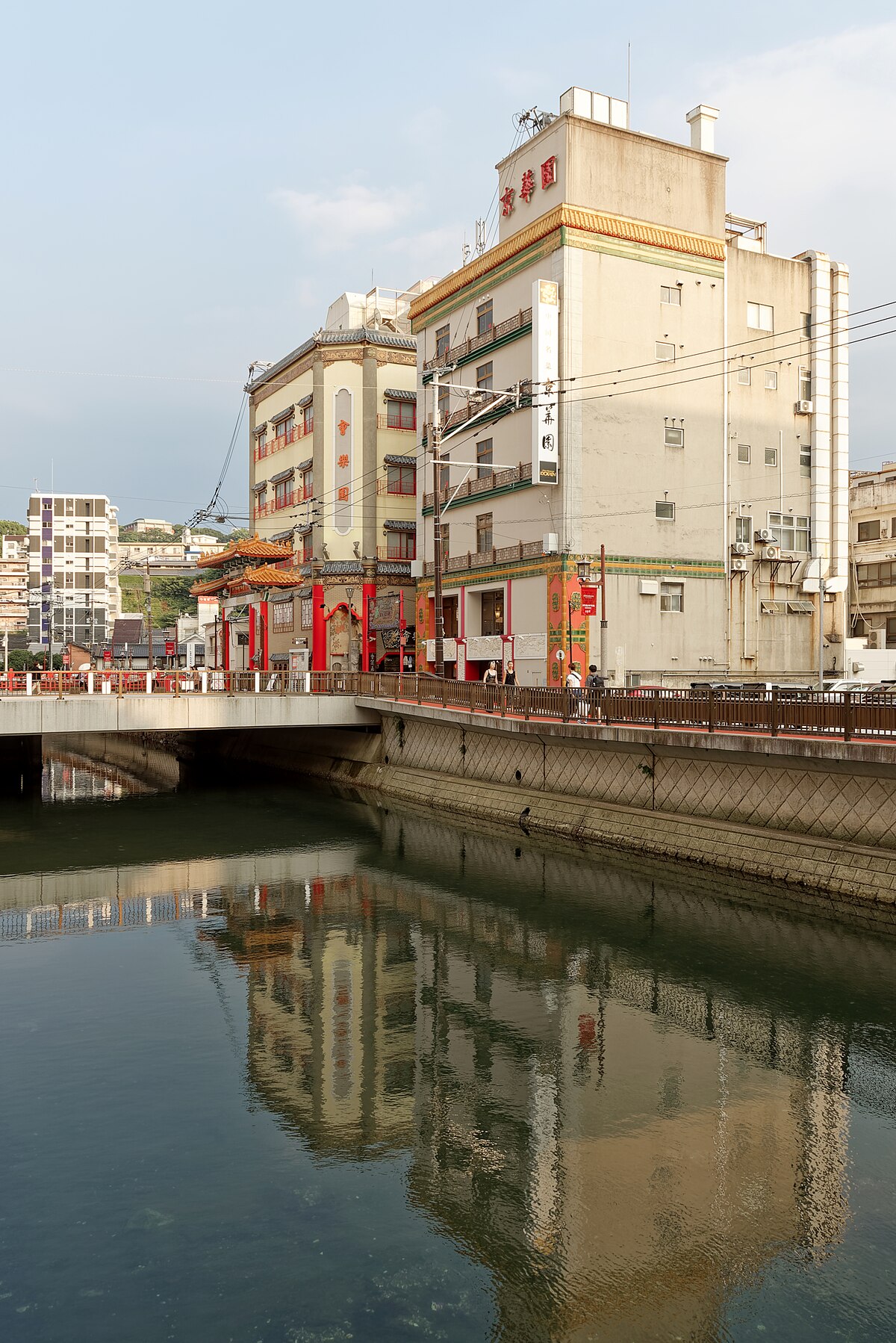
Nagasaki Shinchi Chinatown (located around Shinchimachi, Nagasaki City, Nagasaki Prefecture) is one of Japan's three largest Chinatowns, and it retains a strong influence of Chinese culture and the history of trade that opened at Nagasaki Port. Since the port opened between the Edo and Meiji periods, it developed as a residential and commercial area for overseas Chinese, and is now a tourist destination lined with Chinese restaurants and souvenir shops. A major attraction is the opportunity to sample authentic Chinese cuisine, including Nagasaki specialties "champon" and "sara udon," as well as dim sum, steamed buns, and sweets. The Nagasaki Lantern Festival, held every February, sees Chinatown bathed in vibrant lights and attracting many visitors.
Highlights
– Chinatown Gate and Main Street: The street leading from the vermilion-colored gate and decorated with Chinese-style ornaments is lined with restaurants and souvenir shops. The nighttime illuminations are also quite picturesque.
- Famous Chanpon and Sara Udon restaurants: You can enjoy Nagasaki specialties at long-established Chinese restaurants (e.g., Kozanro and Shikairo, representative restaurants of the region).
- Dim sum and Chinese sweets shop: Enjoy takeaway or eating on the go such as steamed buns, xiaolongbao, and Chinese sweets.
– Lantern Festival (every year around February): Many lanterns and Chinese ornaments are displayed mainly in Chinatown, and night-time performances and events are held. It is expected to be crowded, but it is well worth seeing.
- Night view and food: The atmosphere of the alleys and side streets, and the contrast of the neon lights and lanterns at night make for great photos.
Access (nearest station, transportation, etc.)
– Location (approximate): Around Shinchimachi, Nagasaki City, Nagasaki Prefecture. The center of the tourist area is the Shinchimachi area.
- Train/Tram: The nearest stop is the "Shinchi Chinatown" stop on the Nagasaki Electric Tram (check the signs for the stop name). From JR Nagasaki Station, it's about a 10-minute tram ride or a 20-25 minute walk.
- Bus: Nagasaki city's major tourist buses and city buses have stops near Chinatown. The most common way to get there is to take a direct bus from the airport to the city center, then walk or take the tram.
- By car: Parking is limited as it is in the city center. It is convenient to use the paid parking lots in the surrounding area and explore the sights on foot.
Estimated stay (estimated time required)
- Light stroll + eating tour: 1 hour to 1.5 hours
– Leisurely sightseeing including meals: 2-3 hours
– If combining with the Lantern Festival and sightseeing in the surrounding area (Dejima, Glover Garden, etc.): Half a day to a full day
Nearby spots
– Dejima (Restored Dejima Area): Historic site of a trading post from the Edo period. Within walking distance or by tram.
– Oura Cathedral and Glover Garden: Nagasaki's most famous tourist spot, where you can enjoy exotic scenery (accessible by foot from Chinatown or by tram and then on foot).
– Meganebashi Bridge: A stone bridge from the Edo period spanning the Nakajima River and a famous landmark in Nagasaki City.
– Shopping streets and seaside promenades around Nagasaki Shinchi Chinatown: Enjoy souvenirs and harbor scenery.
Things to be aware of (crowds, manners, seasonal precautions, etc.)
- Crowds: It gets especially crowded during the Lantern Festival, on weekends, and during lunch hours. Please allow plenty of time for your visit as there may be a wait time for dine-in.
– The nearest bus stop may change due to events, construction, etc., so please check the latest timetables and route maps in advance.
- Manners: Refrain from smoking while walking or littering, and taking up too much space on the street or sitting down will cause a nuisance to others. When taking photos, please do so in a place that does not obstruct pedestrians.
- Payment: Small stores in tourist areas may only accept cash. Although more and more stores are accepting credit cards and electronic payments, it is a good idea to have some cash on hand.
- Barrier-free access: Some old buildings and alleys have steps, so if you are using a stroller or wheelchair, it is a good idea to check the route in advance.
- Climate: Nagasaki is close to the sea and can be windy on some days. Be sure to bring warm clothing and rain gear for cold seasons and rainy days.
supplement
– Nagasaki specialties (champon and sara udon) vary greatly in taste from restaurant to restaurant, so it is recommended to try different flavors at multiple restaurants.
– To take photos of the cityscape and lanterns at night, it’s a good idea to arrive early to secure a good spot.
(Please copy and paste it directly into WordPress Gutenberg.)