Overview (history, characteristics, attractions)
Omotesando refers to the stylish and relaxed boulevard and surrounding area that runs near the border between Shibuya and Minato wards in Tokyo. Originally developed as the approach to Meiji Shrine (Omotesando), it is characterized by its lush greenery lined with zelkova and ginkgo trees. After the war, it gradually became more commercial, and from the 1970s to the 2000s it became known both domestically and internationally as "Tokyo's high-end shopping street," lined with luxury brand flagship stores, highly designed buildings, and sophisticated cafes and boutiques.
Its appeal lies in its ability to experience sophisticated streetscapes and the latest fashion and design at the same time. The area is home to tranquil tree-lined streets, galleries where you can enjoy architecture and art, and relaxing cafes, making it an area that's worth strolling around in itself, not just shopping.
Highlights
- Omotesando Hills: A commercial complex with fashion and miscellaneous goods stores and restaurants. The building itself is a spot with a great atmosphere.
- Zelkova Tree-lined Street (Omotesando Avenue): The scenery is beautiful throughout the year, and the ginkgo tree-lined street in autumn and the winter illuminations are especially popular.
- Luxury brand flagship and concept stores: Enjoy the storefront windows and architectural designs.
- Cafes and restaurants: There are many high-quality, unique cafes and restaurants to choose from, ranging from casual to upscale.
- Backstreets (Cat Street, small streets towards Kitasando): Lined with unique select shops and stores aimed at young people, you can experience a different atmosphere from Omotesando.
- Nearby cultural spots: Meiji Shrine, Harajuku/Takeshita Street, Nezu Museum, and more.
Access (nearest station, transportation, etc.)
- Nearest station (major)
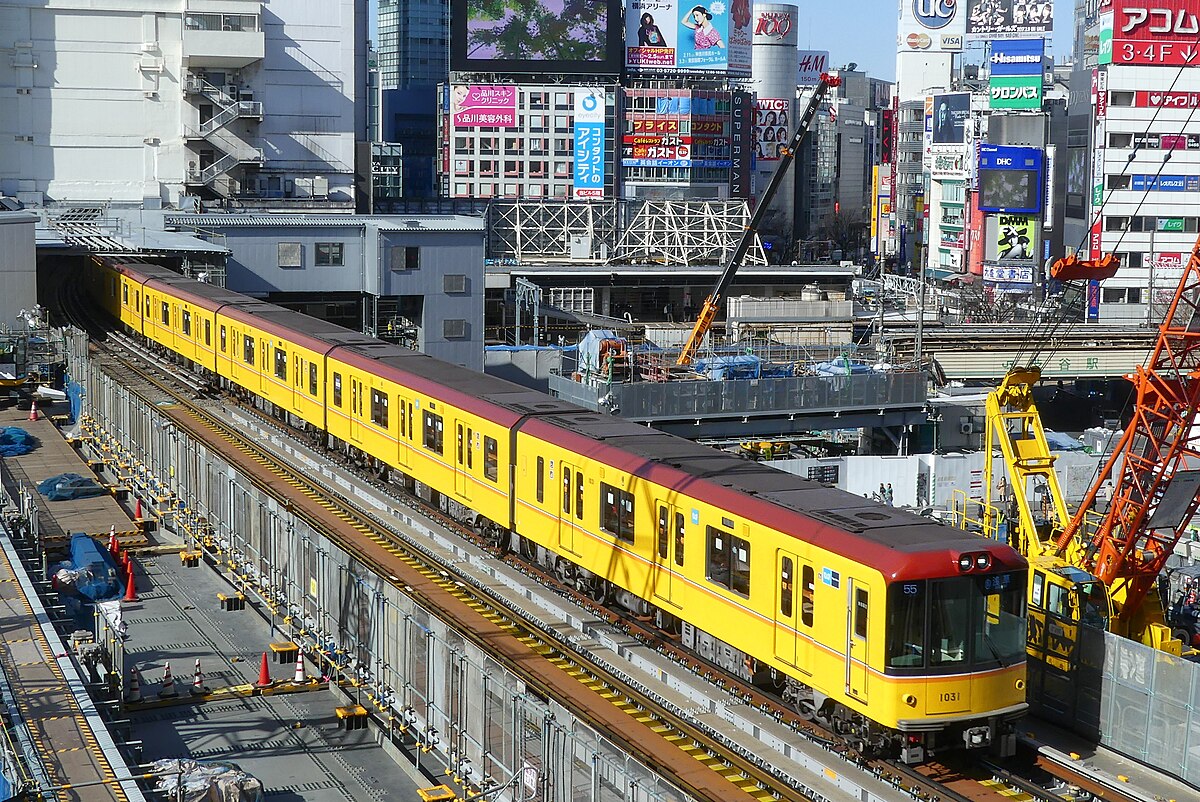
- Omotesando Station (Tokyo Metro: Ginza Line, Chiyoda Line, Hanzomon Line) — Located in the heart of Omotesando, just a short walk away.
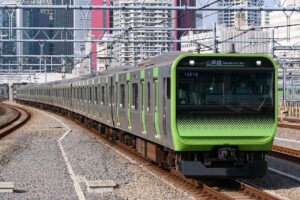
- Meiji-jingumae (Harajuku) Station (Tokyo Metro: Chiyoda Line, Fukutoshin Line) and JR Harajuku Station (Yamanote Line) — Access to Omotesando is possible on foot from the Harajuku side.
- Shibuya Station (JR, private railways, Tokyo Metro lines) — Walk or take the subway for 1-2 stops.
- From the airport or from afar: Take the limousine bus or train from Narita or Haneda to the city center, then take the Yamanote Line or Tokyo Metro towards Omotesando.
- Access by car: There are parking lots scattered around the area, but the roads tend to get congested, so we recommend using public transportation. There are many pedestrians, and on holidays there are traffic restrictions and congestion.
- Estimated walking distance: 0-5 minutes from Omotesando Station, 8-15 minutes from Harajuku Station, 15-25 minutes from Shibuya Station (depending on destination and route)
Estimated stay (estimated time required)
- Short walks: 30 minutes to 1 hour (tree-lined streets and window shopping)
- Shopping + Cafe visit: 2-4 hours (depending on the number of stores and meal times)
- If you include nearby spots (Meiji Shrine, Harajuku, Aoyama, etc.): Half a day to a full day
Nearby spots
- Meiji Jingu: A quiet forest and large torii gate. Recommended for worship and strolling.
- Takeshita Street: A lively street in Harajuku lined with youth culture and sweet shops.
- Cat Street: A backstreet area filled with trendy shops and cafes.
- Nezu Museum: Collection of Japanese and Oriental art and Japanese gardens (walk or short bus ride).
- Aoyama area: Dotted with galleries, design shops, and high-end restaurants.
- Shibuya Scramble Crossing and Shibuya area: Easy access to shopping and nightlife spots.
Things to be aware of (crowds, manners, seasonal precautions, etc.)
- Crowds: The area is extremely crowded on weekends, national holidays, holiday afternoons, the New Year holidays, and during summer and winter events (especially during the winter illuminations). Please be considerate of other pedestrians when taking photos or moving around.
- Photography: It is okay to take photos of the streetscape or exteriors, but when taking photos inside a store or of individuals, it is good etiquette to ask permission or be considerate of the people involved.
- Store etiquette: Luxury brand stores and some restaurants may have different dress codes and entry procedures. Please be considerate by not bringing large bags into the store and remaining calm while in the store.
- Smoking and Garbage: There are designated smoking areas and no smoking areas on the street. Please take your garbage home with you or follow the store's garbage sorting instructions.
- Payment: Many stores accept credit cards and electronic payments, but some small independent shops and food stalls may only accept cash. It's a good idea to have some cash on hand.
- Barrier-free access: Major facilities are equipped with elevators and ramps, but some stores may have steps. If you have a physical disability, it is a good idea to inquire with the facility in advance.
- Seasonal notes: In summer, take precautions against sun exposure and heatstroke, and in winter, be aware that the illuminations can be crowded late into the night and it can get quite cold. In autumn, the yellow leaves of the trees lining the street are beautiful, but the number of tourists also increases.
Omotesando is an area where you can enjoy a good balance of sights, food, and shopping. You can spend a fulfilling time by taking a leisurely stroll around the streets, touring the elaborate shops, or by combining your visit with the nearby Meiji Shrine and Harajuku areas.