
Overview (history, characteristics, attractions)
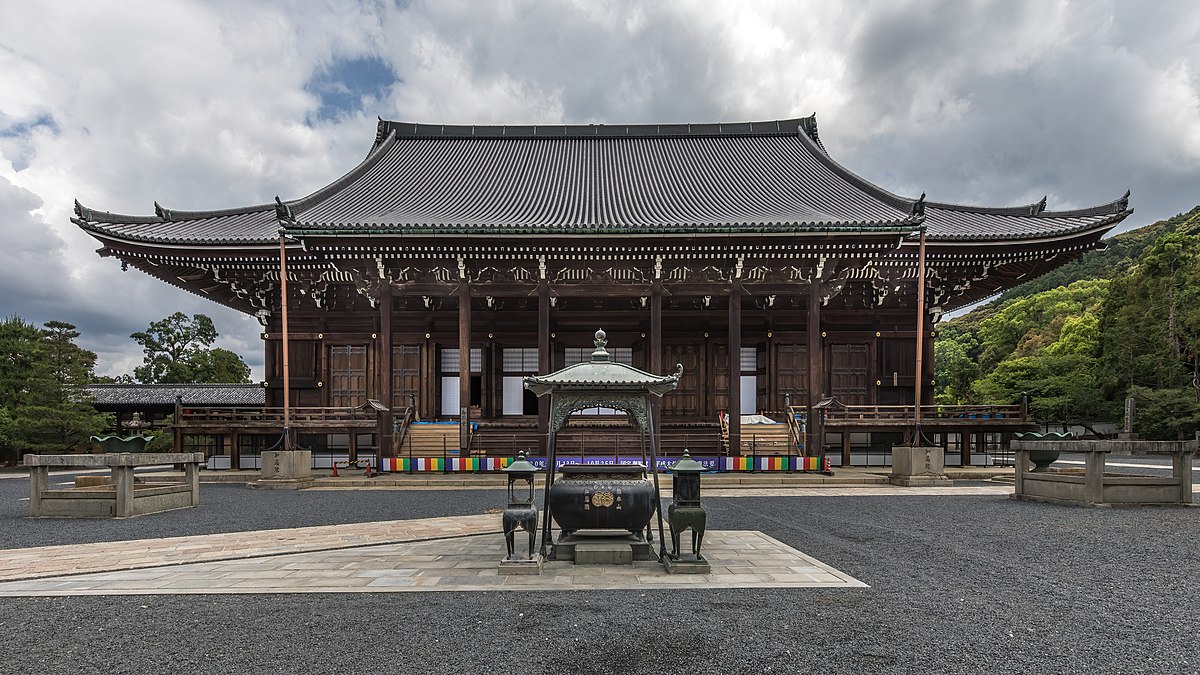
Chion-in Temple is the head temple of the Jodo sect of Buddhism, located in Higashiyama Ward, Kyoto City. As a temple associated with Honen (the founder of the Jodo sect), it has a history dating back to the Kamakura period, and has long been a place of worship for its temple town. During the Edo period, the temple was protected by the Tokugawa shogunate and large-scale construction of the temple complex was carried out, leaving behind majestic buildings such as the Sanmon Gate, one of the largest wooden gates in Japan, as well as the Daimido and Goeido halls within the temple grounds.
Its vast grounds, stately buildings, and solemn atmosphere make it a great place for memorial services, training, and traditional events. It is particularly beautiful during the cherry blossom season in spring and the autumn foliage season, and its proximity to the surrounding areas of Gion, Maruyama Park, and Kiyomizu-dera Temple makes it an easy spot to include in your sightseeing route.
Highlights
- Sanmon Gate: The main gate of the temple grounds, which was extensively constructed during the Edo period. It is known as one of the largest wooden gates in Japan, and you can get a close-up look at the structure and the view from the upper floors of the gate (it may be possible to visit the interior).
- Mieido (Mie-do): A main hall-level building that enshrines a wooden statue of Saint Honen. It is the center of faith for the Jodo sect, and its majestic interior is a must-see (interior viewing, admission fees may apply).
- Large Bell: A temple bell hanging in a massive bell tower. It is sometimes rung on special occasions, and its powerful tone is impressive.
- Hojo Garden and Garden Group: A quiet garden in a corner of the temple grounds where you can enjoy the changing seasons in peace.
- Approach and stone pavement: The surrounding stone pavement and old gate give you a taste of Kyoto's Higashiyama. The night illuminations and the scenery during memorial services are also attractive.
Access (nearest station, transportation, etc.)
- Train: About 10-15 minutes on foot from Keihan Gion-Shijo Station. Also, it is possible to walk from Hankyu Kawaramachi Station (about 20 minutes on foot).
- Subway: Approximately 10 minutes on foot from Higashiyama Station on the Kyoto Municipal Subway Tozai Line (this may vary depending on the route).
- Bus: You can use Kyoto City Bus stops such as "Chion-in-mae" and "Gion." From Kyoto Station, you can also access the temple by city buses such as Route 100 and Route 206 (get off at "Gion" and walk for about 5-10 minutes).
- Taxi: Approximately 15-25 minutes from Kyoto Station (depending on traffic). Convenient for large luggage or groups.
- Parking: Paid parking is available in the surrounding area. It tends to fill up during the tourist season, so we recommend using public transportation.
Estimated stay (estimated time required)
- Just strolling around the grounds and looking at the exteriors of the main buildings: 30-45 minutes
- If you include an interior tour (including the inside of the Goei-do Hall and Sanmon Gate): 60 to 90 minutes
- If you also plan to visit the surrounding areas such as Gion, Maruyama Park, and Kiyomizu-dera Temple: Half a day to a full day
Nearby spots
- Yasaka Shrine and Gion (5-10 minutes walk): Enjoy ancient festivals and the Gion townscape.
- Maruyama Park (a few minutes walk): A famous cherry blossom spot, it is crowded with many visitors in the spring.
- Kodaiji Temple, Kiyomizu-dera Temple, Sanneizaka (within walking or bus distance): Popular sightseeing spots in Higashiyama.
- Teahouses and restaurants around Chion-in Temple (Gion area): Experience Kyoto cuisine and teahouse culture (please check in advance).
Things to be aware of (crowds, manners, seasonal precautions, etc.)
- Crowds: The temple gets very crowded during cherry blossom season (late March to early April), autumn foliage (November), and the New Year's first shrine visit period. If you want to avoid the crowds, we recommend visiting early in the morning (right after the gates open) or in the evening.
- Visitor etiquette: Temples are religious facilities. Please stay quiet within the grounds and observe proper etiquette for visitors, such as sticking incense and offering money. Please also be considerate by removing your hat and turning off your cell phone.
- Photography: Photography is permitted within the temple grounds and in most buildings, but photography is prohibited in some areas of the hall and during memorial services. Please follow the instructions of posted notices and staff.
- Shoes and Accessibility: You may be required to remove your shoes when entering the temple. As the grounds may be wet or slippery in places, we recommend wearing comfortable walking shoes. The temple grounds have many steps and some areas have limited accessibility, so if you have a physical disability, please check in advance.
- Clothing and Weather: Kyoto's seasonal changes are significant, with cold winters and hot and humid summers. Be especially careful on rainy days, as the cobblestone streets can be slippery.
- Check admission information: Admission fees, reception hours, special openings, and whether or not there are any events change depending on the season. Please check the latest information on Chion-in Temple's official website or on-site information in advance.
(Reference) Details such as visiting hours, admission fees, and special exhibitions may be subject to change, so please check the official website or local information for the latest information before visiting.