
Hakusan (Hakusan City, Ishikawa Prefecture)
Overview (history, characteristics, attractions)
Mount Hakusan (Shirayama) is a sacred mountain representing the Hokuriku region, with its highest peak at approximately 2,702m above sea level. It is counted as one of the "Three Famous Mountains of Japan" (or the Three Sacred Mountains) along with Mount Fuji and Mount Tateyama, and has long been revered as an object of mountain worship (Shugendo and Shinto). It is said to have been founded by the Nara period monk Taicho, and at the foot of the mountain is enshrined the traditional shrine Shirayamahimejinja.
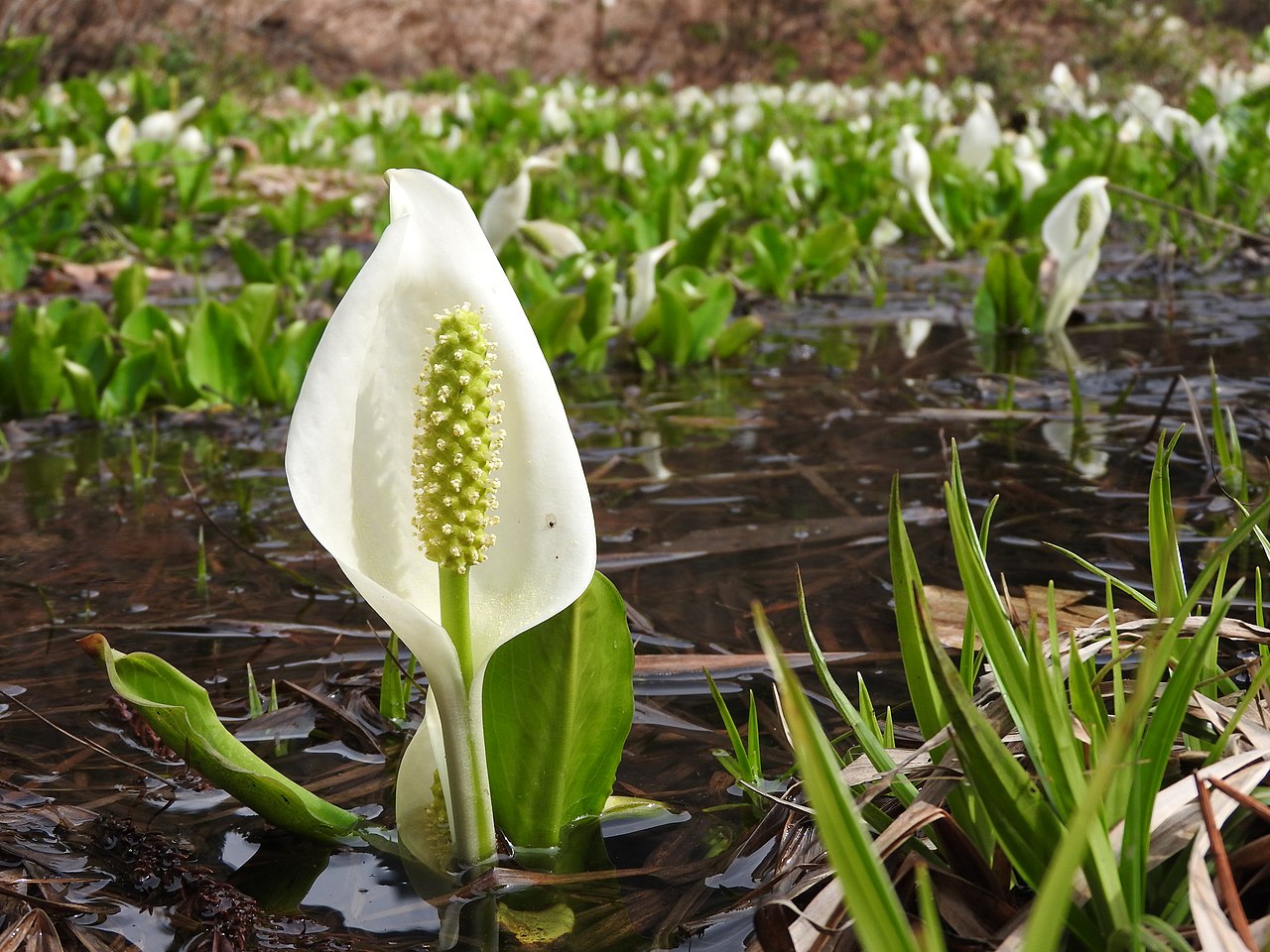
It is also known as a famous flower spot, with dicentra and alpine plants blooming in the summer, and you can enjoy different scenery with each season, such as the long-lasting snow in the winter, rugged rocky ridges, and autumn leaves. Part of Hakusan National Park, it is a valuable area that protects rich nature and endemic species.
Highlights
- Climbing Mt. Hakusan (great view from the summit): On a clear day, you can see all the way to the Northern Alps and the Sea of Japan. The mountain scenery and remaining snow near the summit are a sight to behold.
- Hakusan Hime Shrine: The head shrine of Hakusan faith. The wide approach, the shrine building, and the forest within the grounds are highlights. The festivals and seasonal events are also attractive.
- Alpine plants (dicentra, buttercup, etc.): In summer, the alpine zone is a treasure trove of flowers. Many can be seen along the hiking trails.
- Betsu-do Deai to Murodo mountain trail: A representative route on the Ishikawa side, highlights include the scenery along the way, mountain huts, and snowfields.
- Hot springs and rural mountain scenery: Enjoy hot springs such as Shiramine Onsen and traditional village scenery after hiking.
Access (nearest station, transportation, etc.)
- Nearest major terminal: Kanazawa Station (JR). Easily accessible by Hokuriku Shinkansen (approximately 2.5 hours from Tokyo, with connections available from Nagoya and Osaka).
- From Kanazawa Station by car: It generally takes about 40 to 90 minutes by car from central Kanazawa to the Hakusan area (towards Hakusan Hime Shrine and Shiramine) (depending on the destination and traffic conditions).
- Access to the trailhead: The main trailhead on the Ishikawa side is "Bettodeai." In the summer, buses run (private car restrictions may apply) and parking information is available. There are several climbing routes, including "Ichinose" on the Gifu side.
- Tourist road: Hakusan Shirakawa-go White Road (formerly Hakusan Super Forest Road) is a toll road (open seasonally) where you can enjoy the mountain scenery. Please check the opening and traffic status.
- Public transportation: Special buses often operate only during the climbing season and tourist period, so please check the routes and timetables on the official website in advance.
Estimated stay (estimated time required)
- Visit to Hakusan Hime Shrine + stroll around the area: 1-2 hours
- Day hikes (low mountains to beginner routes): half a day to a full day
- Climbing Mt. Hakusan (Betto Ido to summit and back): Depending on your stamina and the course you choose, this hike is recommended for advanced to intermediate climbers and generally takes 8-12 hours round trip. If you plan to stay overnight at a mountain hut, it will take 2 days and 1 night.
- Hot springs and walking tours of the village + sightseeing in the surrounding area (Shiramine, etc.): Half a day to a full day
Nearby spots
- Kanazawa (Kenrokuen Garden, Kanazawa Castle, etc.) — A tourist city accessible by car or public transportation.
- Shirakawa-go (Gifu) — A World Heritage Site of Gassho-style houses. Connected via the Hakusan Shirakawa-go White Road (seasonal).
- Shiramine Onsen - A convenient hot spring resort for a relaxing soak or overnight stay after hiking.
- The Satoyama area along the Tedori River and the area around the dam are ideal for drives and nature walks.
Things to be aware of (crowds, manners, seasonal precautions, etc.)
- Seasons and weather: Mountain weather can change suddenly, and it can get cold in the mornings and evenings, even in summer. Snow remains for a long time, so be careful of slips and falls and wading through streams from spring to early summer. In winter, snow and ice can make hiking trails dangerous, so proper equipment and experience are essential.
- Preparations for the climb: Be sure to bring a map, snacks, warm clothes, rainwear, and hiking boots. Take measures to prevent altitude sickness and plan your trip with ample time. Mountain huts can fill up during peak seasons, so it's recommended to make a reservation in advance.
- Transportation and seasonal operations: Many of the roads, tourist roads, and buses leading to the trailhead are seasonal (closed in winter). Please check the latest information from road and bus companies and tourist associations in advance.
- Nature conservation and etiquette: Please observe nature conservation rules, such as always taking your trash with you, not trampling on vegetation, and using designated toilets and routes. Please respect the proper etiquette for visiting shrines.
- Wild animals: There have been reports of bears (Asiatic black bears) inhabiting some areas. Try to avoid encountering them by wearing bells or making loud noises, and if you do encounter one, please deal with it calmly.
- Crowds: Hiking trails and parking lots will be crowded on weekends during the summer mountain season and during the Obon period. Please plan well in advance, leave early, and consider using public transportation.
Finally, Mt. Hakusan is a mountain deeply connected to faith and nature. When climbing, worshiping, or observing nature, please remember to always put safety first and to be mindful of local rules and the natural environment.