Overview (history, characteristics, attractions)
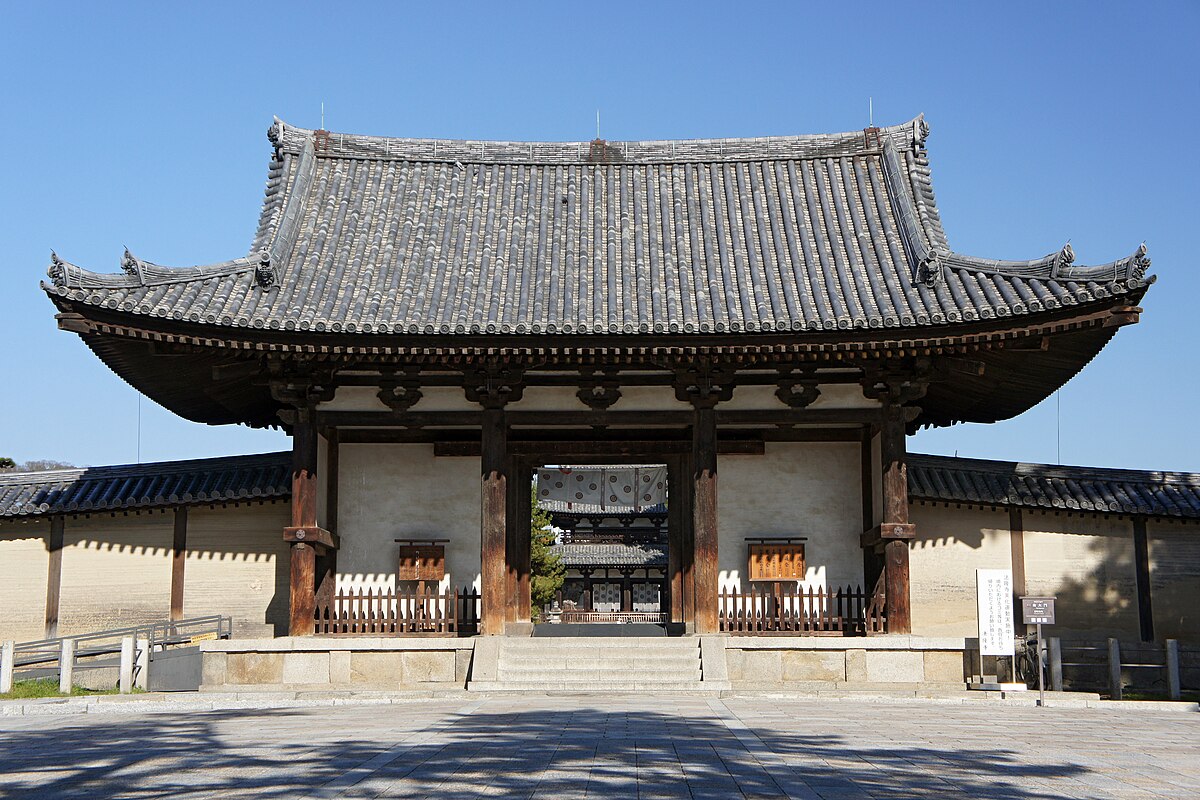
Horyuji Temple is an ancient temple located in Ikaruga Town, Ikoma District, Nara Prefecture, and is said to have been founded in the Asuka period as a temple associated with Prince Shotoku. It is home to some of the oldest wooden buildings in the world, and in 1993 it was registered as a UNESCO World Heritage Site as part of the "Buddhist Monuments in the Horyuji Area." Buildings such as the inner gate, main hall, and five-story pagoda retain a strong resemblance to the original architectural style from when it was first built in the 7th century, making it a textbook example of Japanese architectural history and Buddhist art.
Its greatest appeal lies in its historical value as one of the oldest existing wooden buildings, and the large number of Buddhist statues, paintings, and crafts that have been designated as national treasures and important cultural properties. The tranquil atmosphere of the temple grounds changes with the seasons, allowing you to experience ancient Japan.
Highlights
- Five-storied pagoda: One of the oldest existing towers. Its well-proportioned appearance is impressive.
- Main Hall: The temple houses the Shaka Triad and other masterpieces of ancient Buddhist sculpture (there may be set routes inside the hall).
- Yumedono: An octagonal hall associated with the worship of Prince Shotoku. Its distinctive exterior shape and historical atmosphere.
- Saiin Garan and Toin GaranThe temple grounds are roughly divided into two buildings, each with its own attractions.
- Horyuji Treasure Gallery/Cultural Assets Exhibition: National treasure-class Buddhist statues, sutras, and crafts are housed and exhibited, providing a deep understanding of the history and art of Horyuji Temple.
- The atmosphere of the temple grounds: The stroll itself is enjoyable, with moss-covered stone towers, old trees, and quiet approach paths.
Access (nearest station, transportation, etc.)
- Nearest station
- JR West: Approximately 10-15 minutes on foot from Horyuji Station (the nearest JR station)
- Kintetsu Railway: Approximately 15-20 minutes on foot from either Horyuji Station or Ikaruga Station on the Kintetsu Ikoma Line (You may need to transfer depending on the line)
- Approximate distance from Nara city, Osaka, and Kyoto
- From Nara Station: Approximately 10-20 minutes by JR or Kintetsu (varies depending on transfers and lines)
- From Osaka: Approximately 40-60 minutes by JR or Kintetsu (depending on departure station and transfers)
- From Kyoto: Approximately 60 minutes by train (time may vary depending on transfers)
- Buses and taxis: Local buses and taxis are available from the nearest station. There is a parking lot, so you can also visit by car, but it gets crowded during the tourist season, so we recommend using public transportation.
- Points to note: Route names and travel times vary depending on the departure point and transfers, so please check the timetable or transfer information in advance.
Estimated stay (estimated time required)
- Visiting the main temples and pagodas only: 1 to 1.5 hours
- If you want to take a leisurely stroll around the temple grounds and visit the treasure museum: 2-3 hours
- If you combine sightseeing with the surrounding Chuguji Temple and Asuka region: Half a day to a full day
Nearby spots
- Chuguji Temple: A few minutes' walk from Horyuji Temple. A small temple known for its Tenjukoku embroidery scroll and the famous half-seated Bodhisattva statue (National Treasure).
- Horyuji Treasure Gallery (precincts): Exhibits art and crafts from the Horyuji Temple collection. There are detailed explanations in a separate building, so viewing them together will deepen your understanding.
- Asuka region (Asuka Village): Accessible by car or bus. Dotted with ancient historical sites such as Ishibutai Tomb and Asukadera Temple.
- Nara City (Todaiji Temple, Nara Park, etc.): It's within a day trip if you travel by train. We recommend combining it with sightseeing in the ancient capital of Nara.
Things to be aware of (crowds, manners, seasonal precautions, etc.)
- Visitor etiquette: This is a religious facility. Please be quiet when lighting incense or praying. Eating and drinking are prohibited inside the hall, and photography of exhibits and flash photography may be prohibited. Please follow the posted notices.
- About the shoot: While it is often possible to take photos of outdoor buildings, it may not be possible to take photos inside the main hall or treasures. Please follow the instructions of the staff.
- congestion: The number of visitors increases during cherry blossom season, autumn foliage season, Golden Week, and weekends. If you want to avoid the crowds, we recommend visiting on weekdays or right after opening.
- Feet and clothing:The grounds are large, so wear comfortable shoes. Be careful in rainy weather as some areas can be slippery.
- Preservation considerations: Old wooden buildings and cultural properties are sensitive to humidity and temperature. Please be careful not to touch them or get too close.
- Seasonal precautions: It can get very cold in winter, so please take precautions against the cold. In spring, it gets crowded with people viewing cherry blossoms, and in autumn, it gets crowded with people viewing autumn leaves.
Horyuji Temple is a precious place where you can experience Japanese history and art firsthand. Be sure to check the admission information and access details in advance and allow plenty of time for your visit.